
Surface Shaping Tools
Shaping is done by applying friction onto a given surface, by way of grinding, scraping, sanding, and polishing. During this process, not only is the carved stone being worked: the tools, themselves, will be ground down and will begin to share the same shape with the stone being worked on. In other words, the tool becomes a negative image of the carved area: a square peg in a square hole.
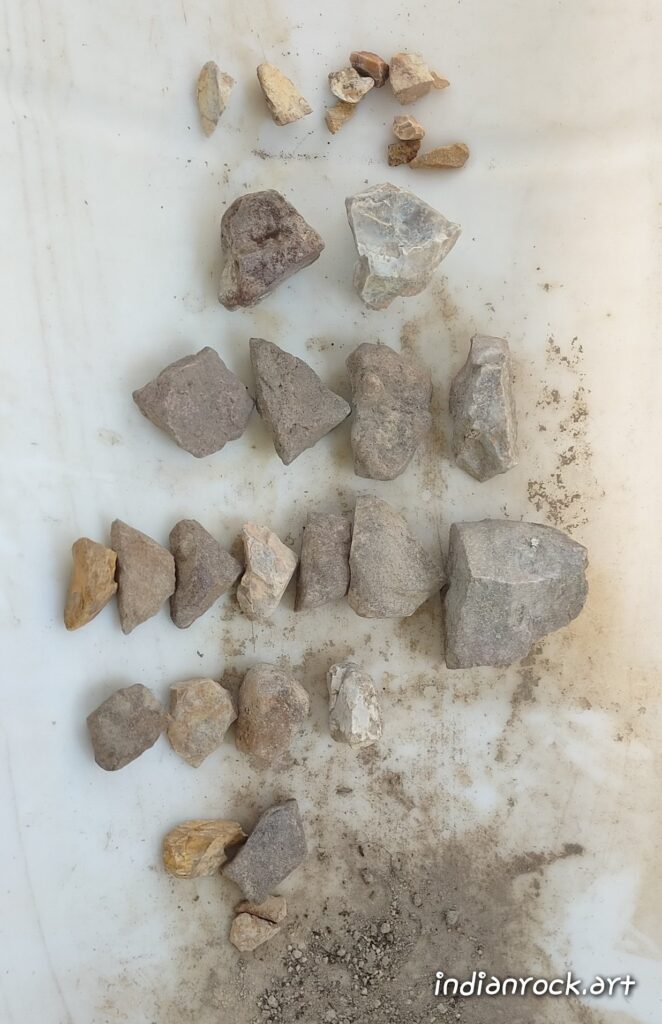
After aligning the edges and angles of the stones to a specific worked surface, one can reverse engineer the process that led to the tools’ final shapes. This includes being able to place the stones in the order in which they were used.
The series of images shown below are examples of left-handed tools and the area where they were used. As a note: I’m holding them with my right hand in order to get a clear shot of the worked area.
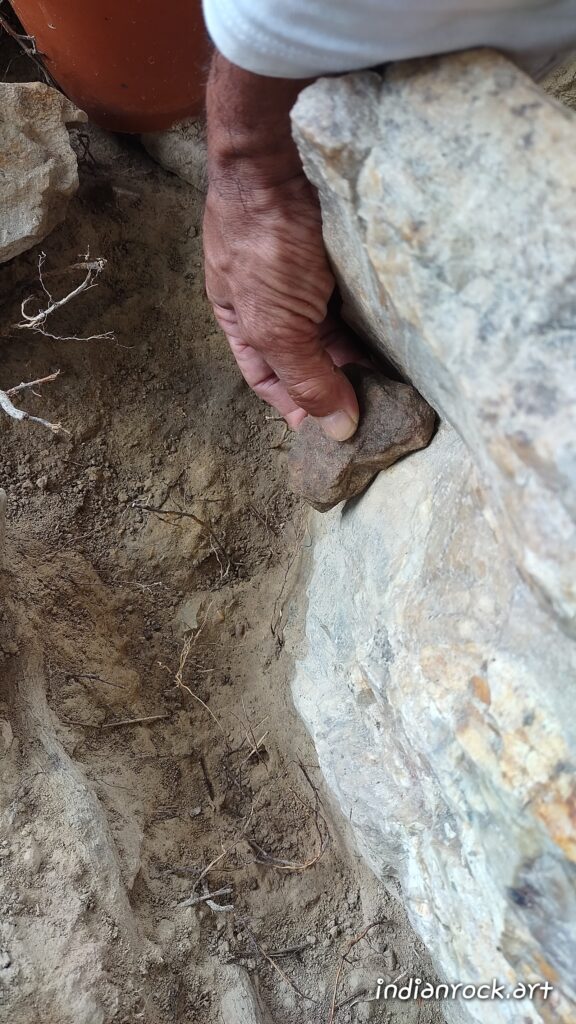
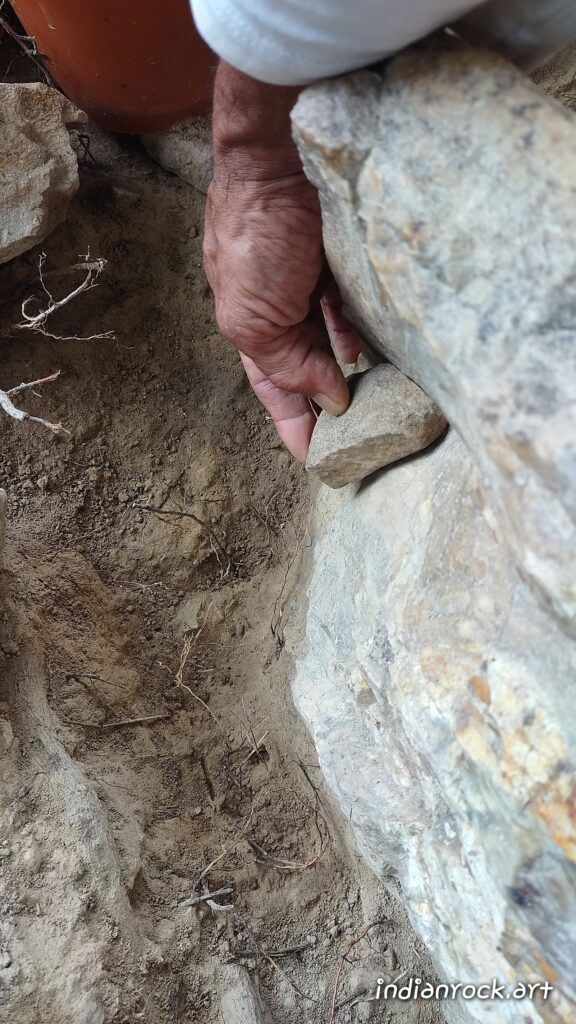
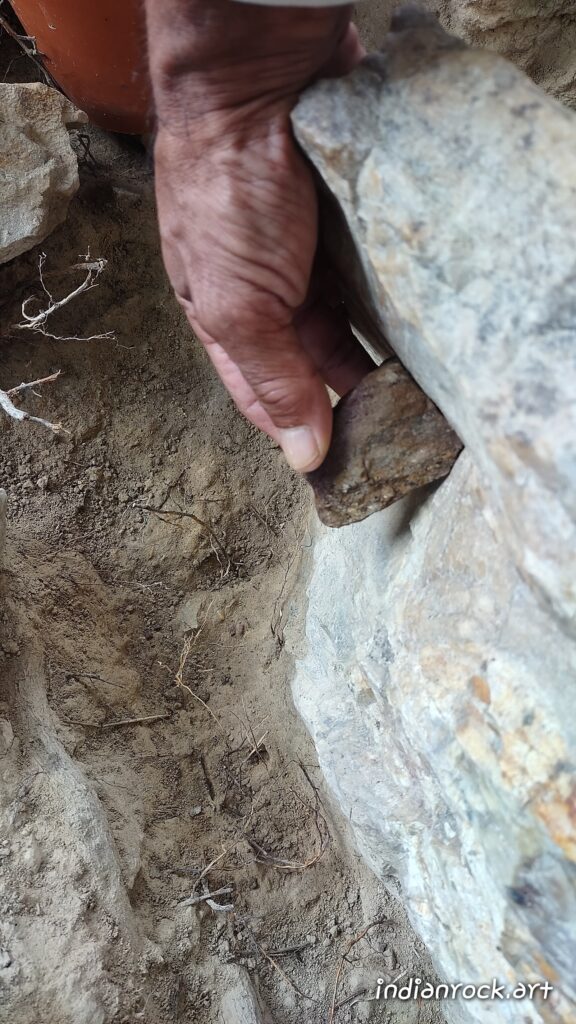
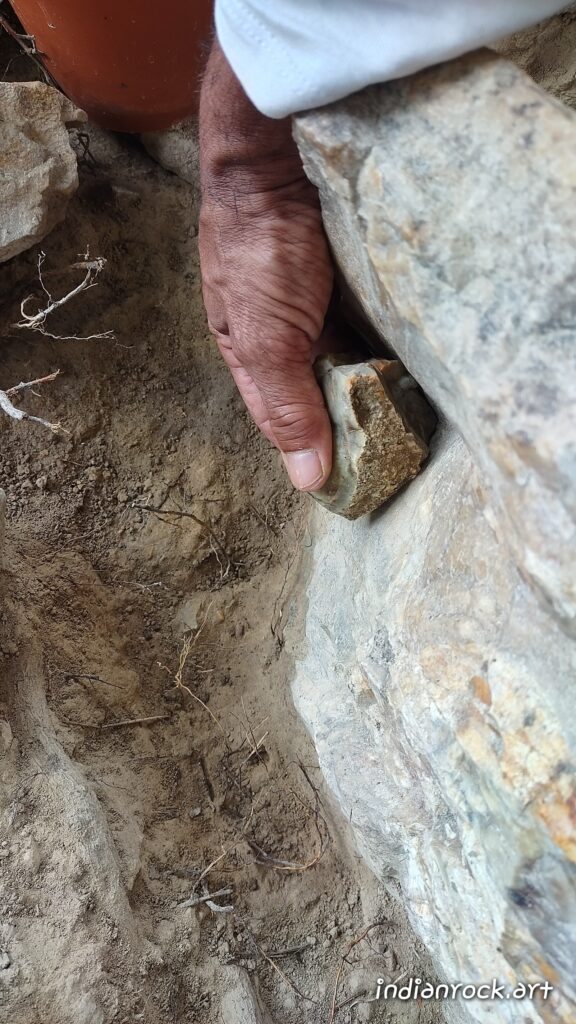
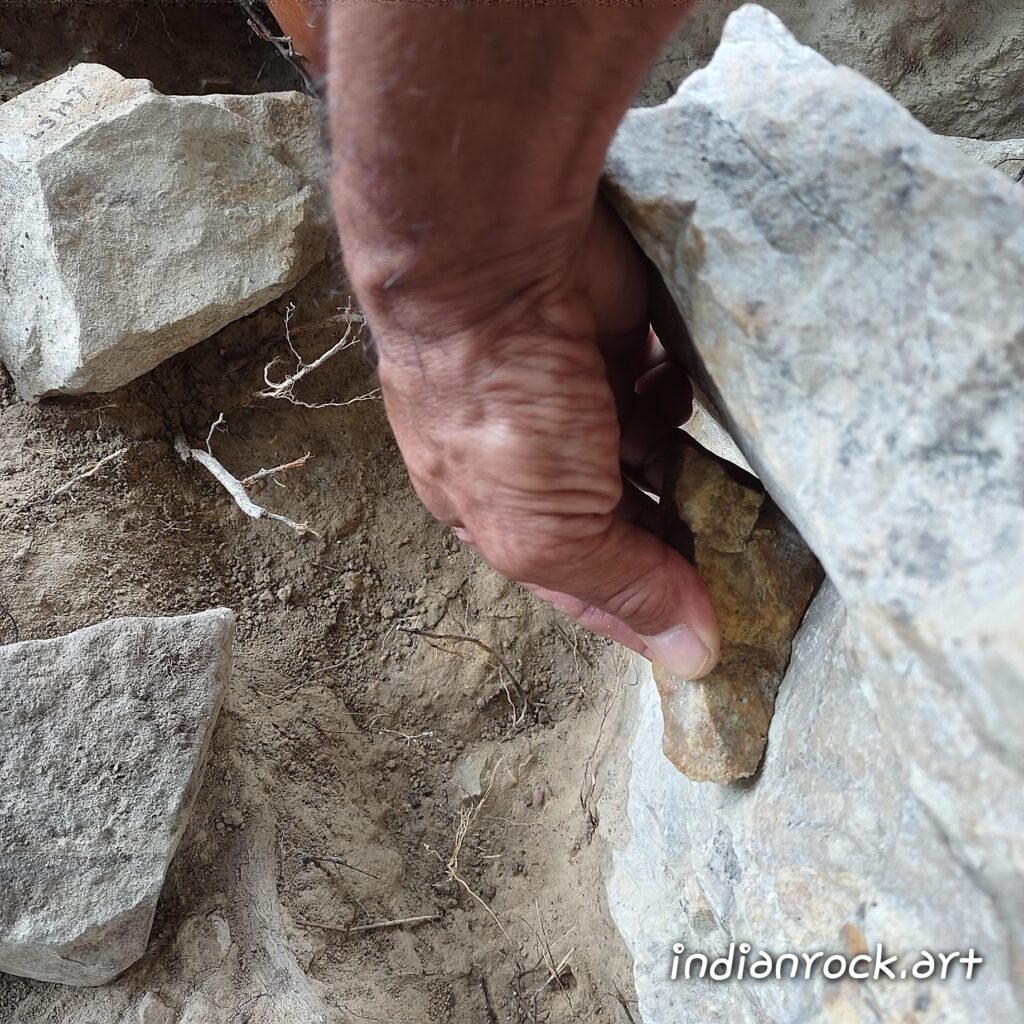
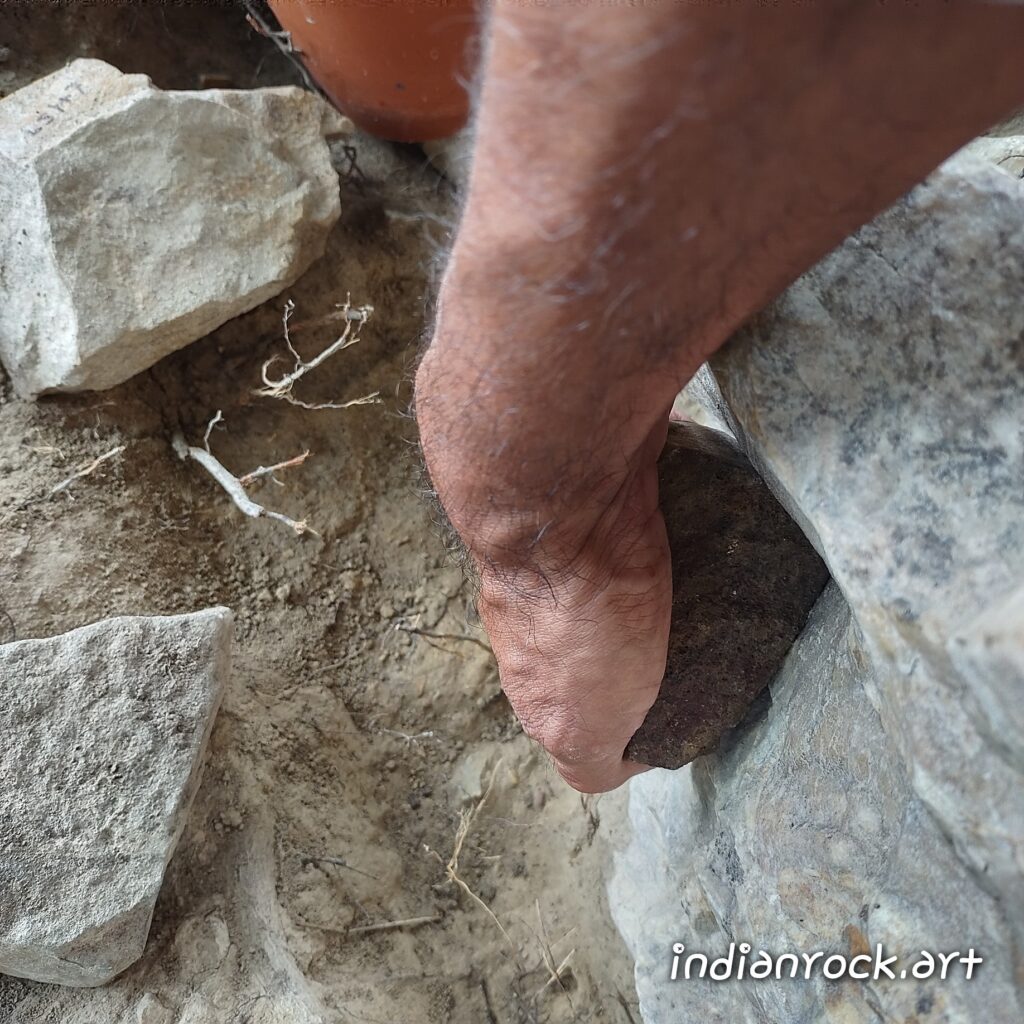
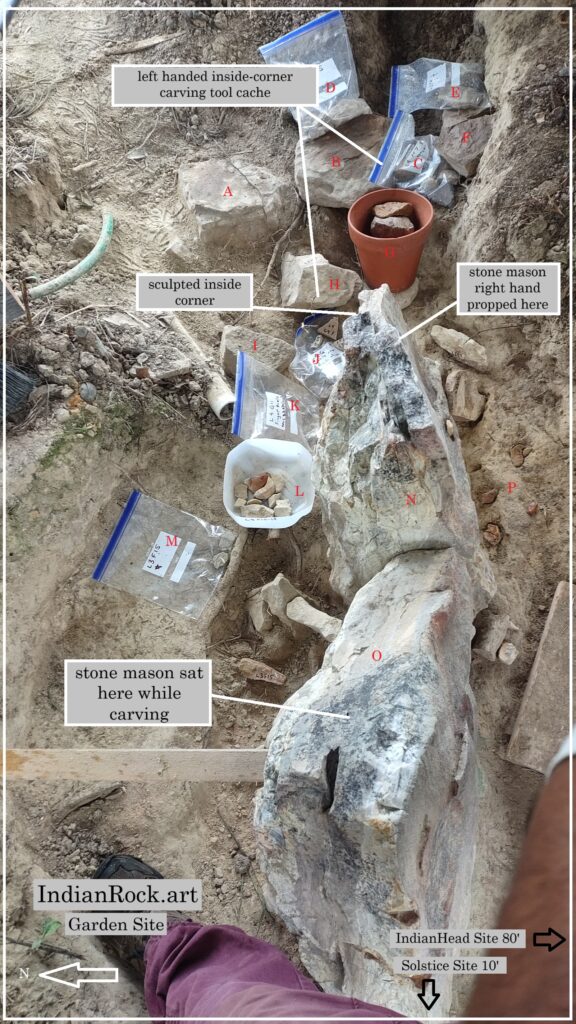
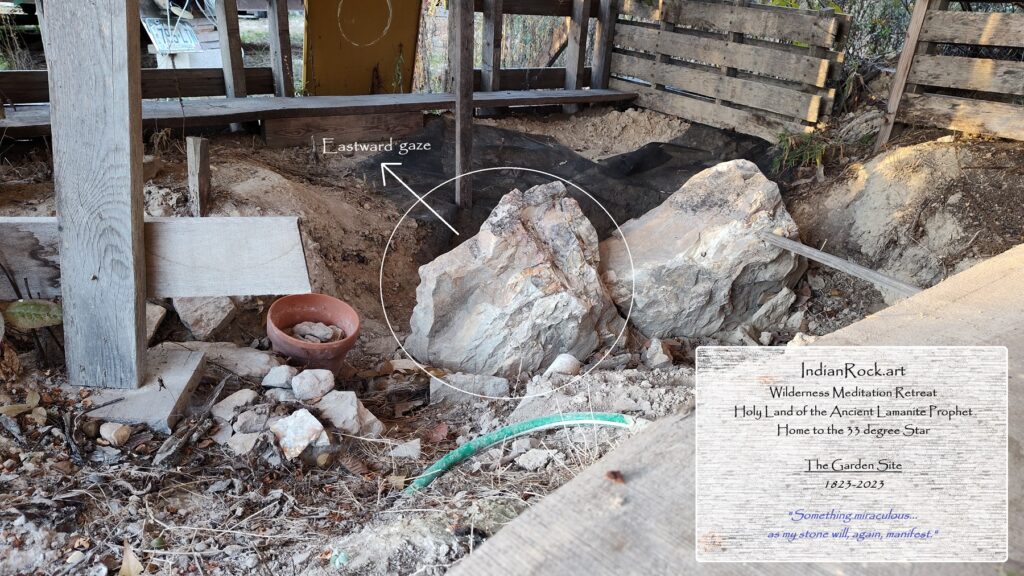
Look at the image and imagine someone is facing east(left), straddled across the second stone, leaning forward, and with the right hand, is gripping the tip of the first stone. Now imagine, with a stone in the left hand, this individual is creating the large indentation that is clearly visible in the image.