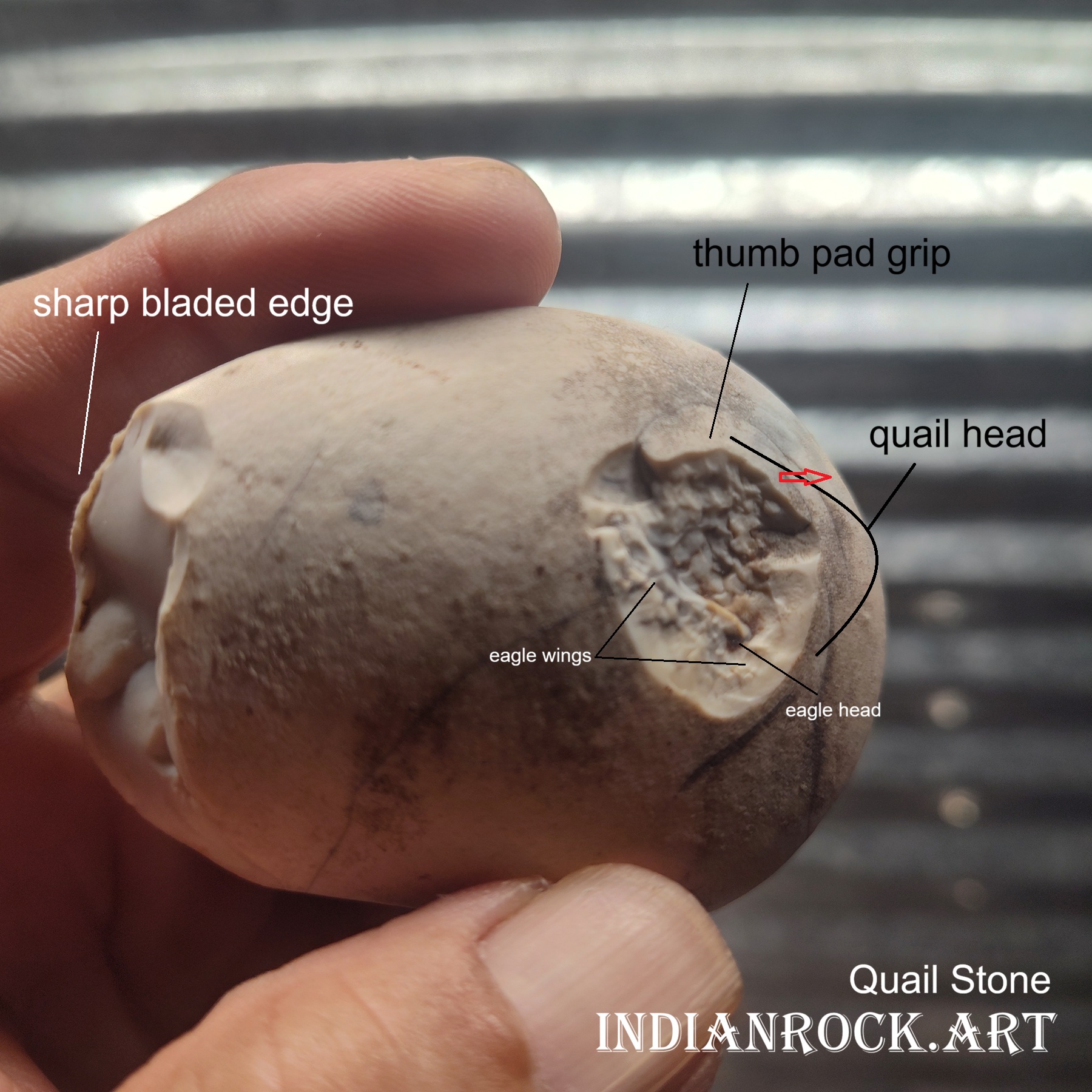
Quail Stone
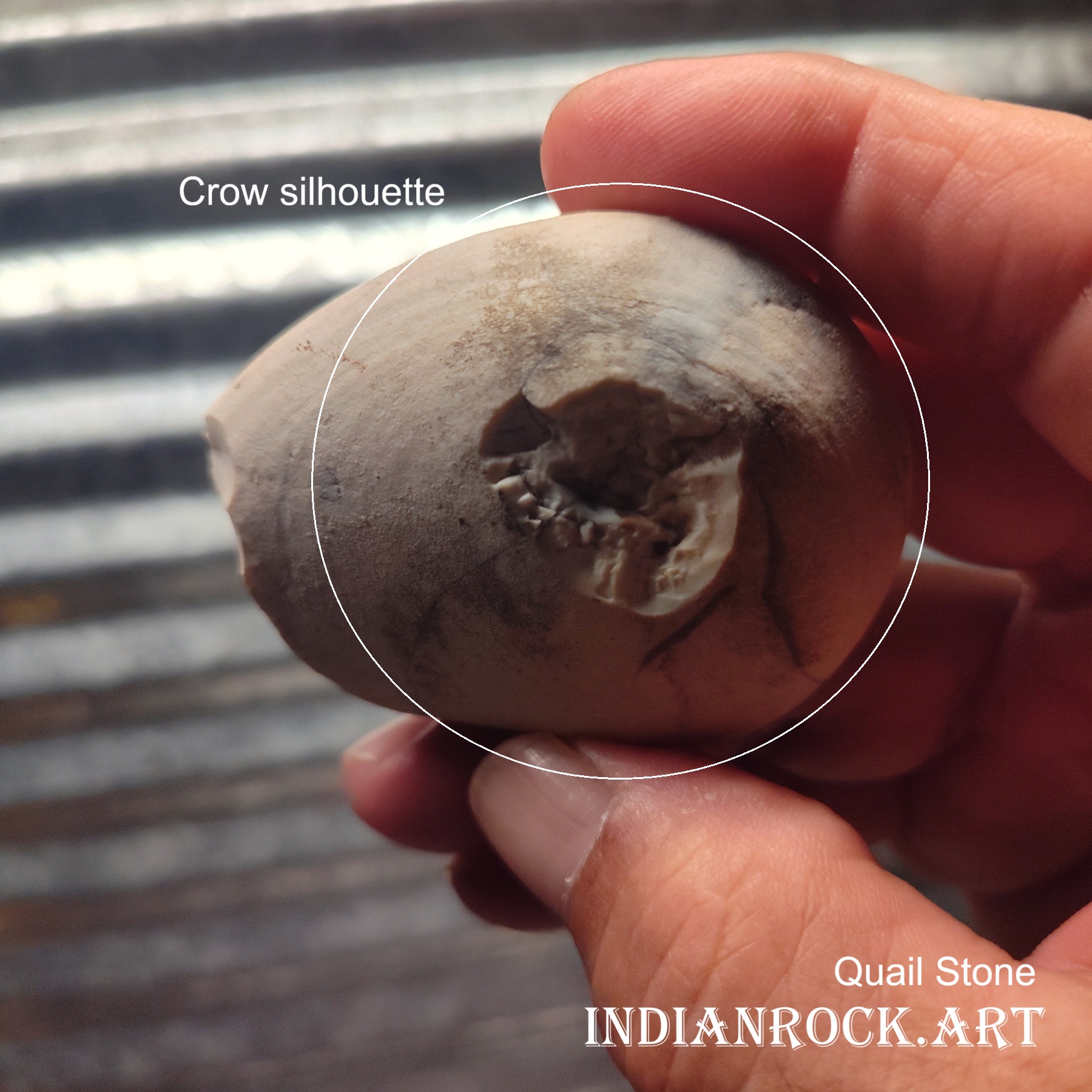
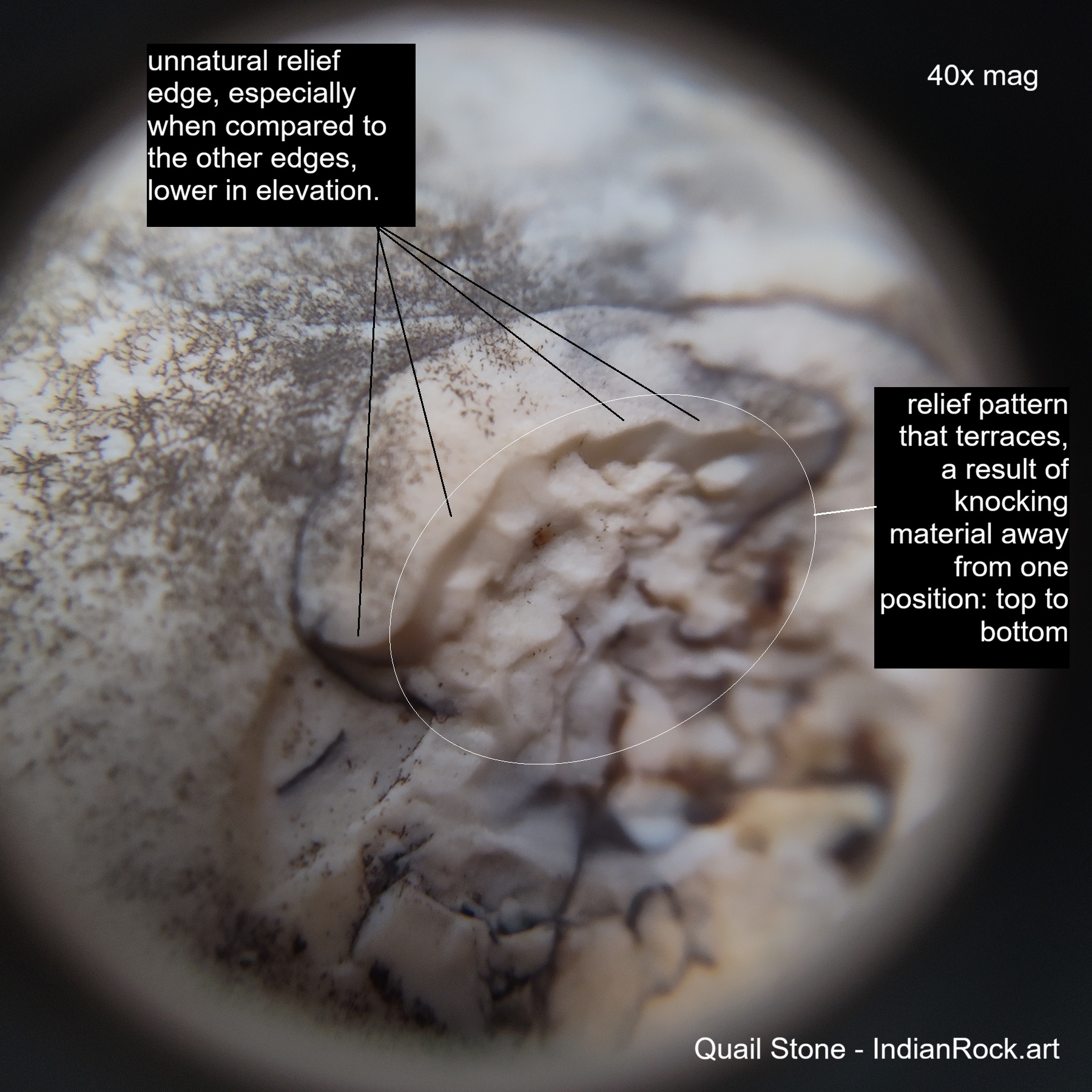
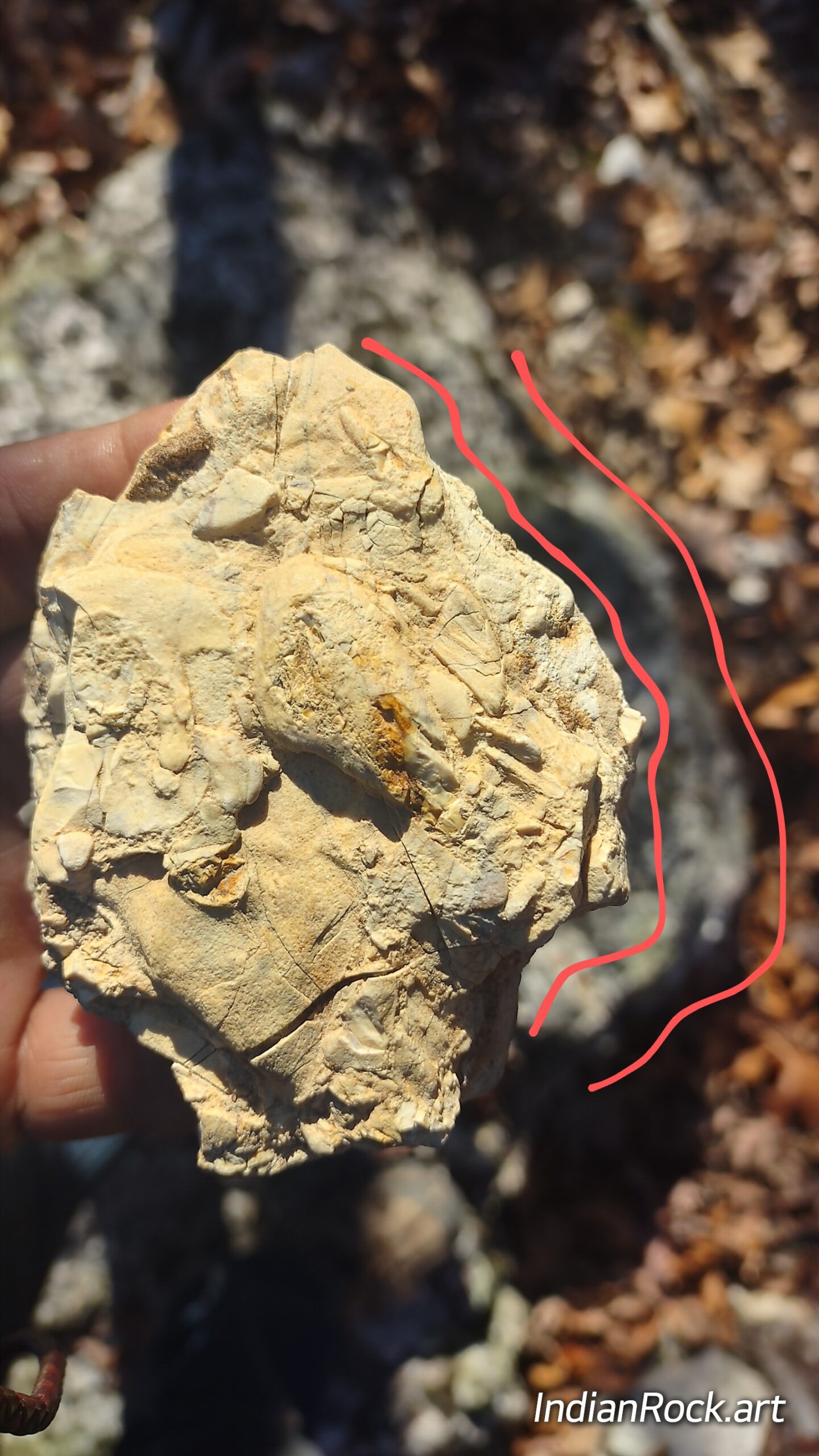
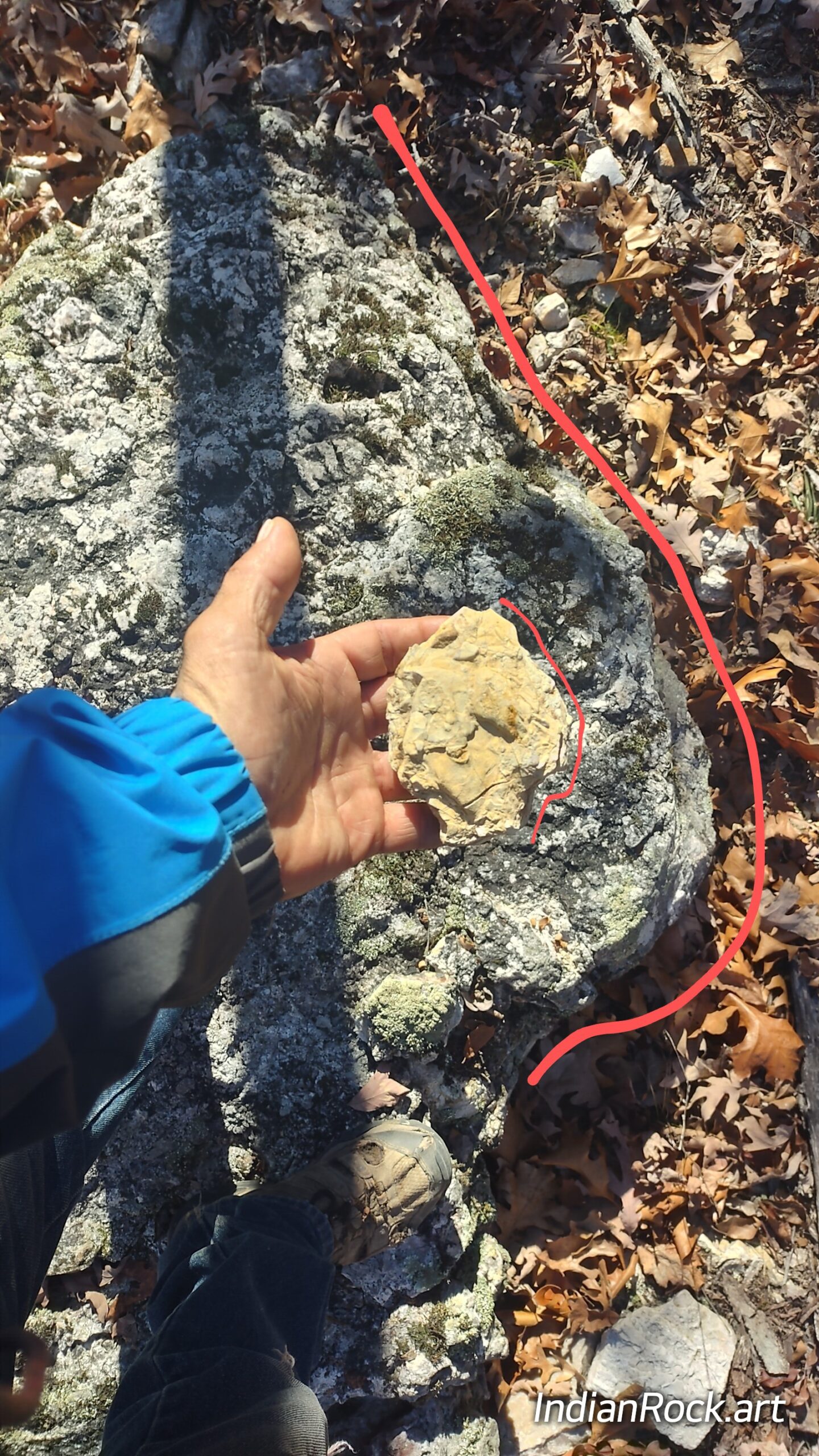
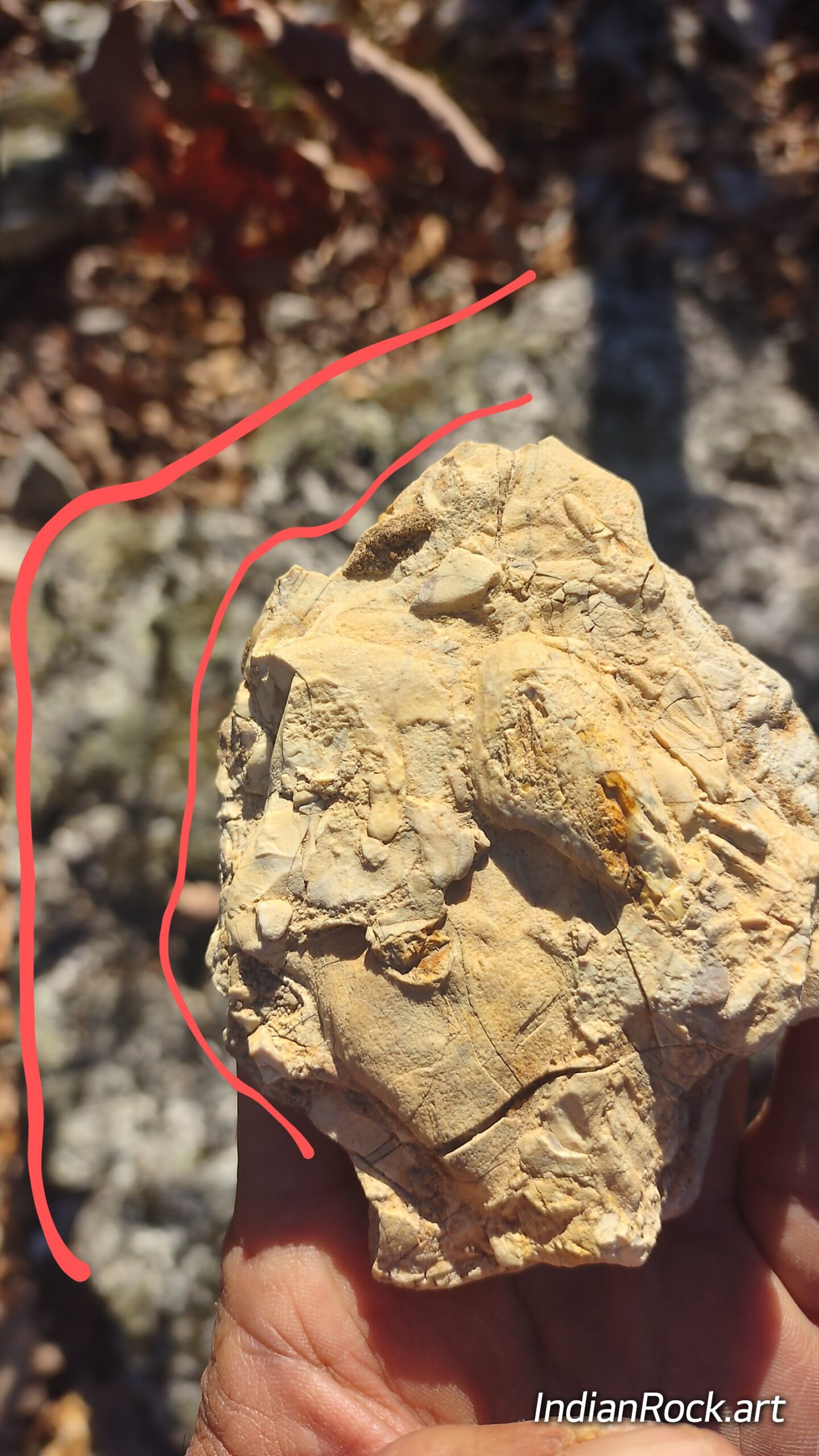
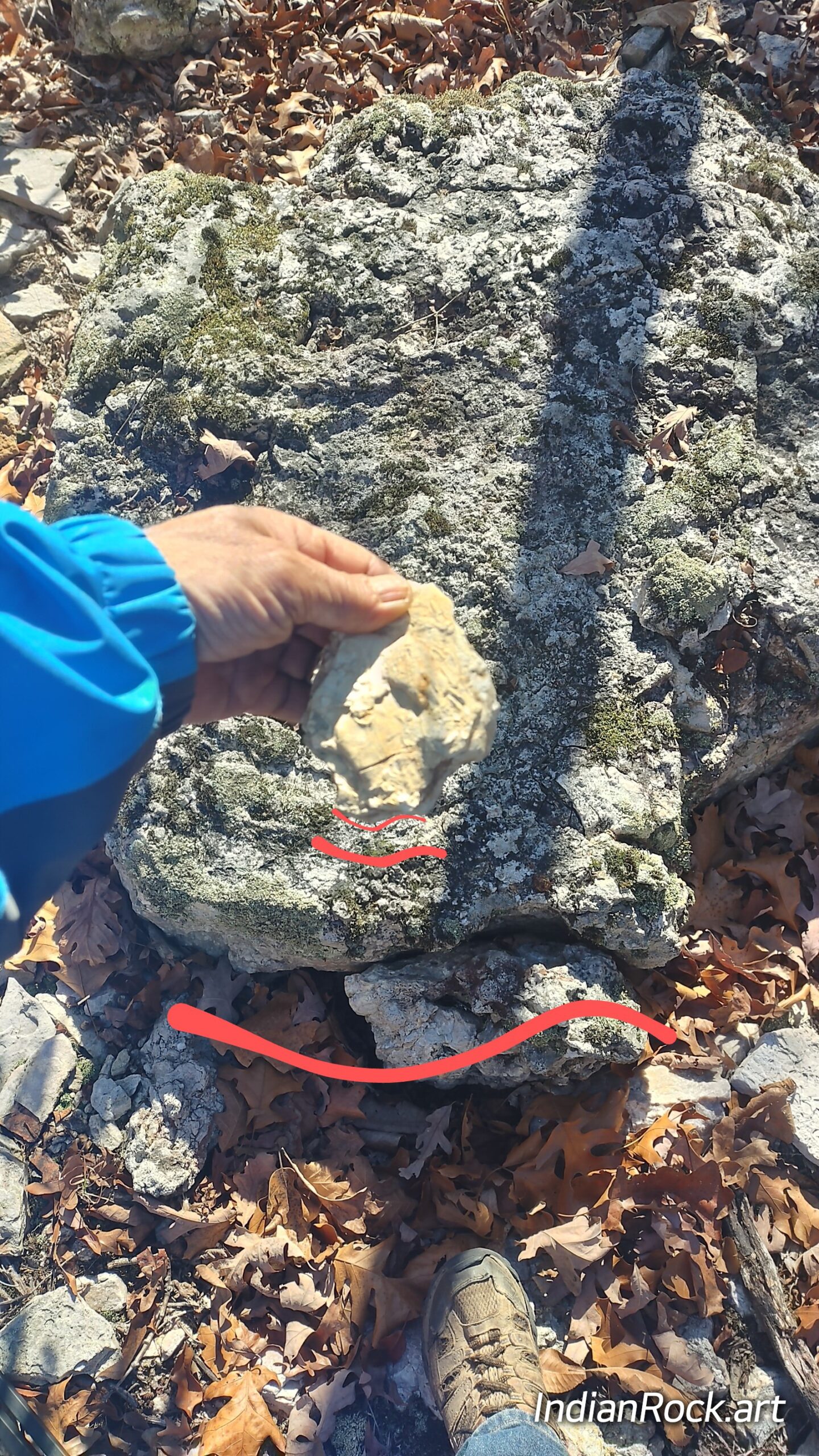
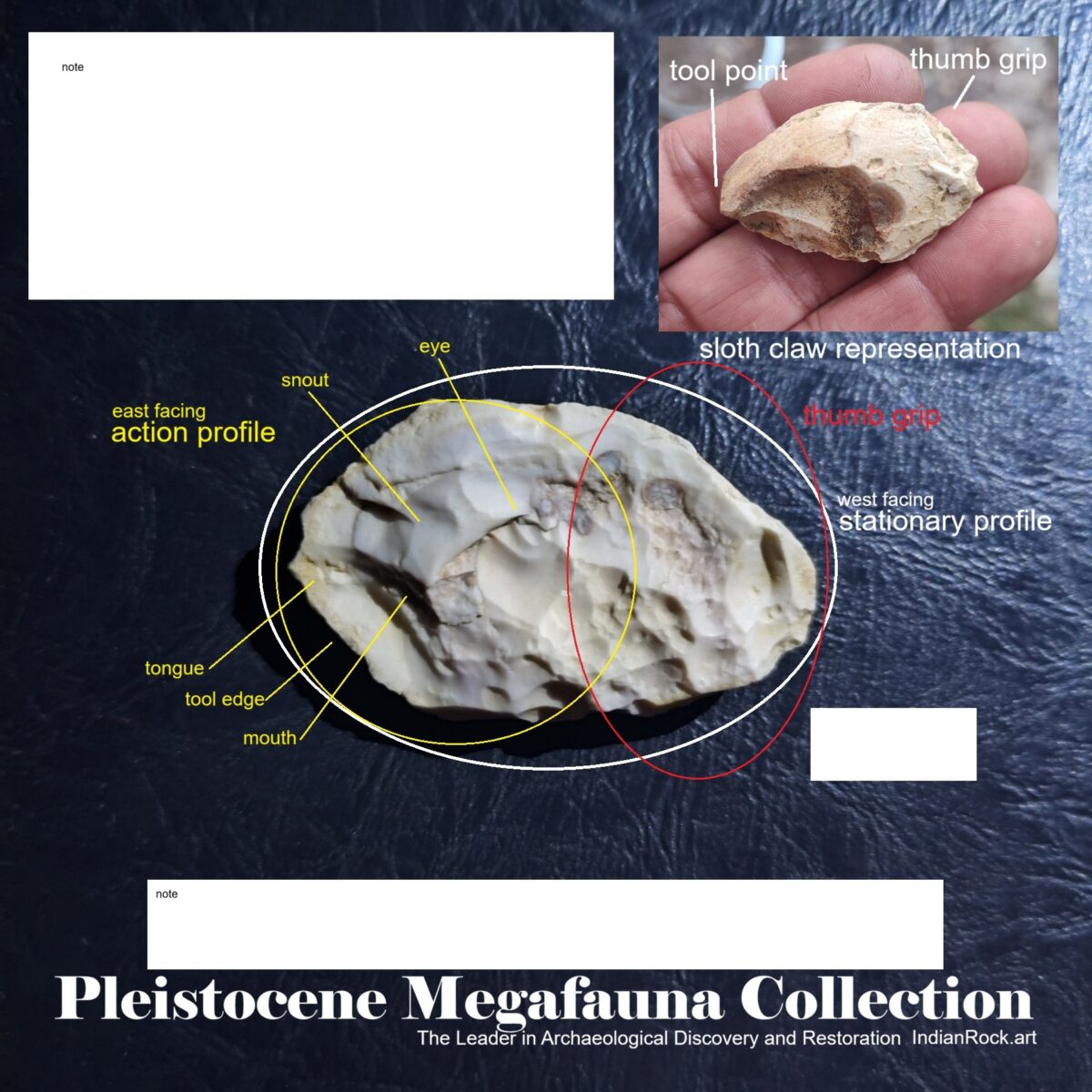
random surface stone, 3digit handstone, inside-corner tool. Picked up in 2020 along the south end of IndianRock.art. The quail rendering was noticed in 2026.
Unify the Nations – IndianRock.art
 Indian Rock Art
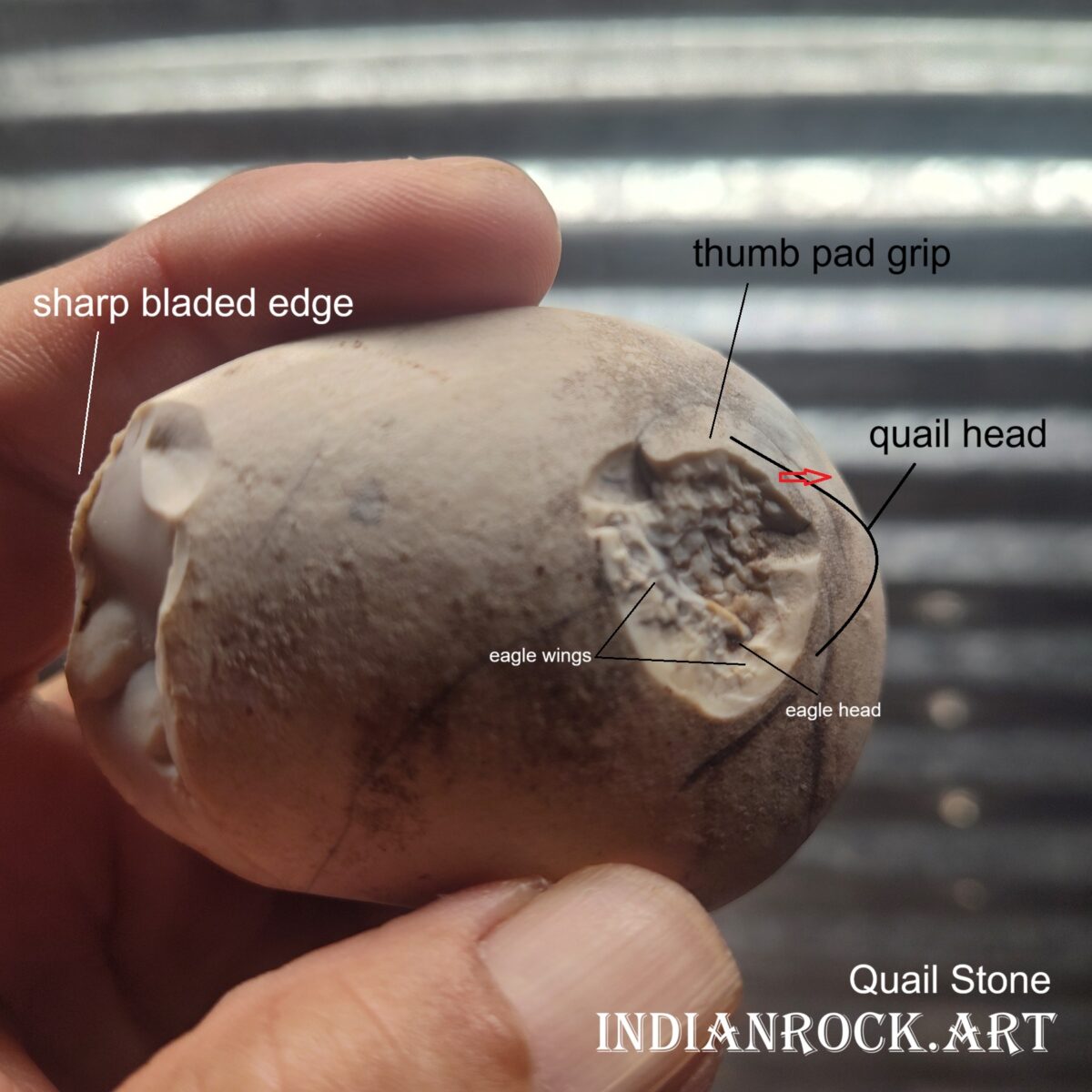
Quail Stone
random surface stone, 3digit handstone, inside-corner tool. Picked up in 2020 along the south end of IndianRock.art. The quail rendering was noticed in 2026.
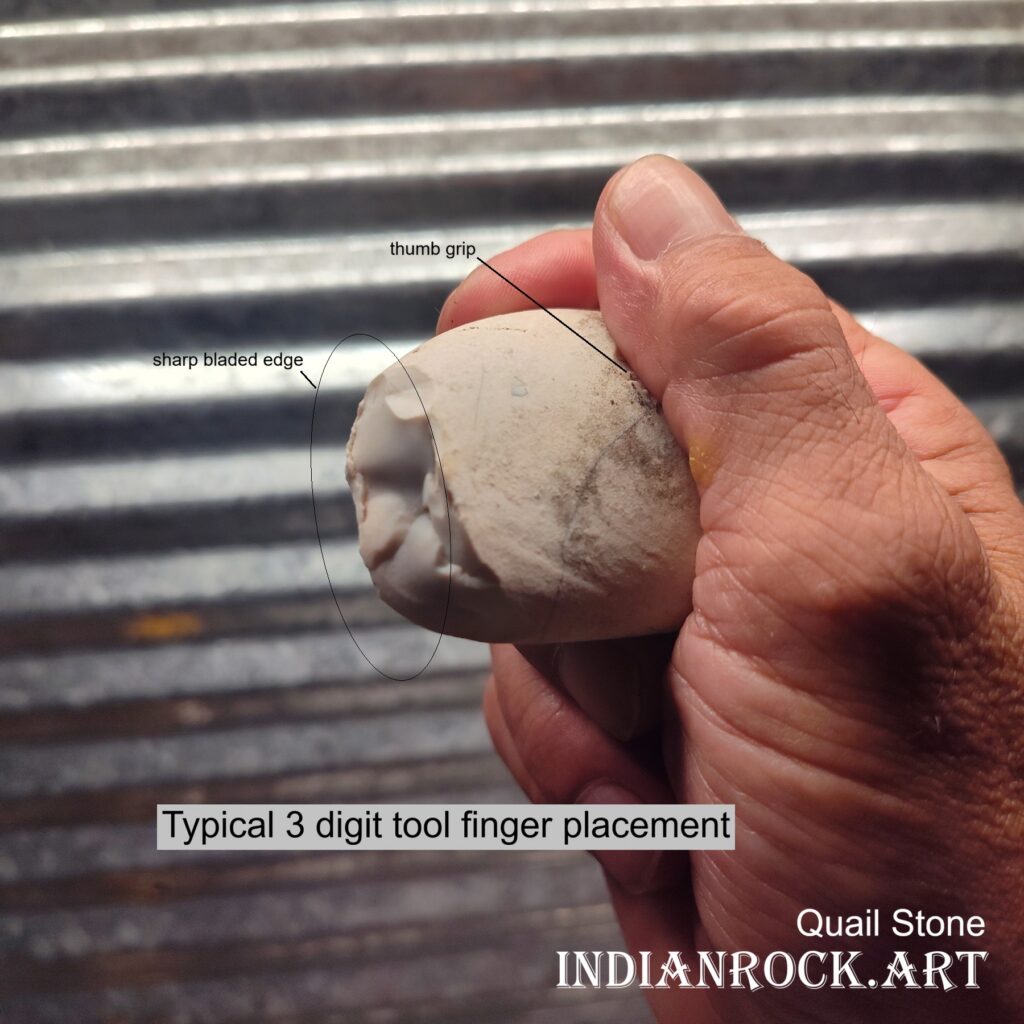
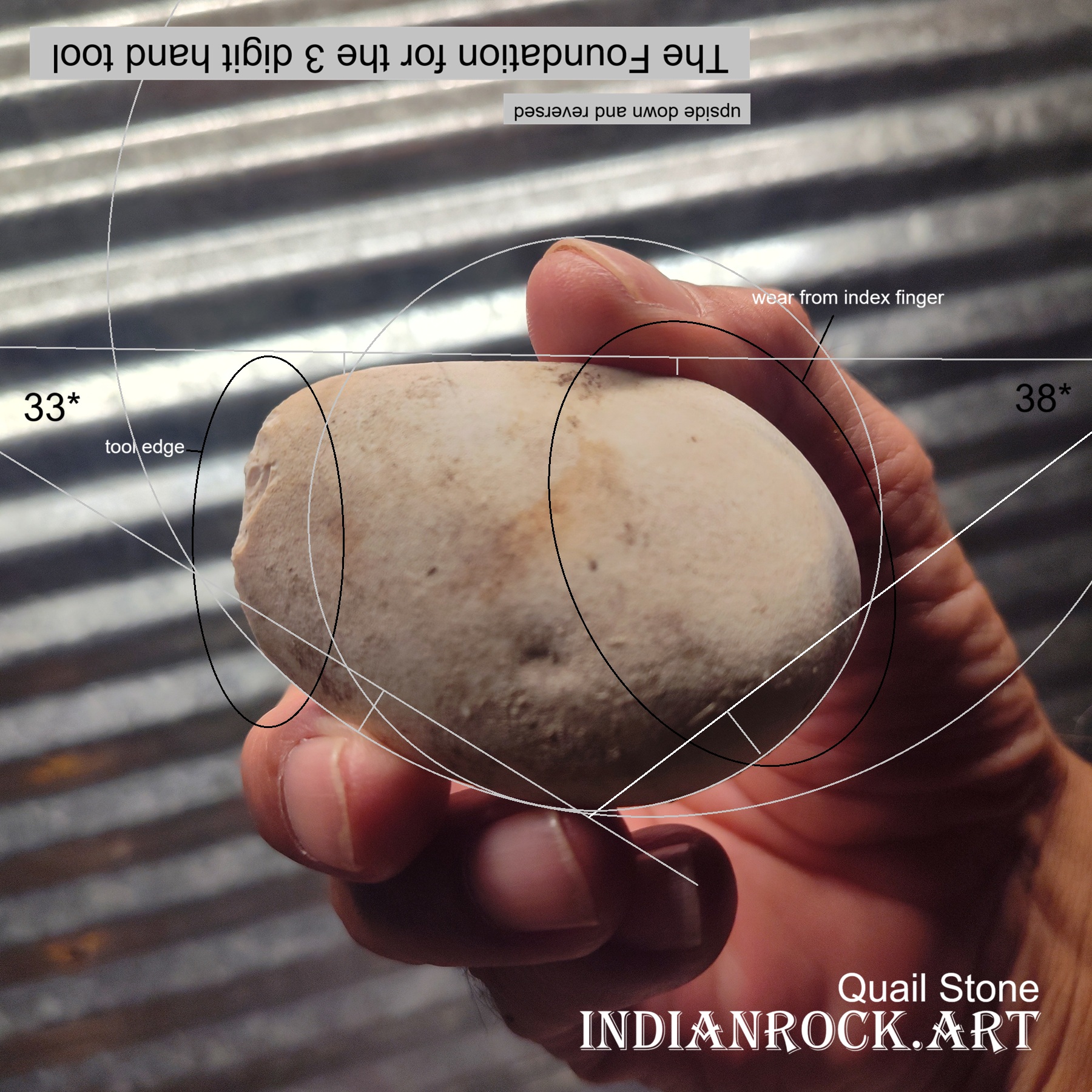
Unify the Nations – IndianRock.art

There is a mathematical equation that mirrors the perceived reality. Like a formula, the variables must be in their rightful positions at the correct time, in order to decipher the mystery. To see this mathematical world, a person would have to be vigilant in their focused observations of nature. Alas, to my amusement, it has been obvious the entire time.
When I follow the books, these stones don’t exist. But, when I follow the clues, the hard evidence runs abundant. What we have here are the remnants of a lost civilization, or a misidentified facet of an existing one. Their work must have taken thousands of people over the span of hundreds of generations. Who were these people? IndianRock.art proposes that they were the original architects to the mound builders: pre-Clovis, pre-Cahokia, prehistoric. Welcome to Phase2 of the IndianRock.art story, based on rock-solid hard evidence.
Unify the Nations – IndianRock.art
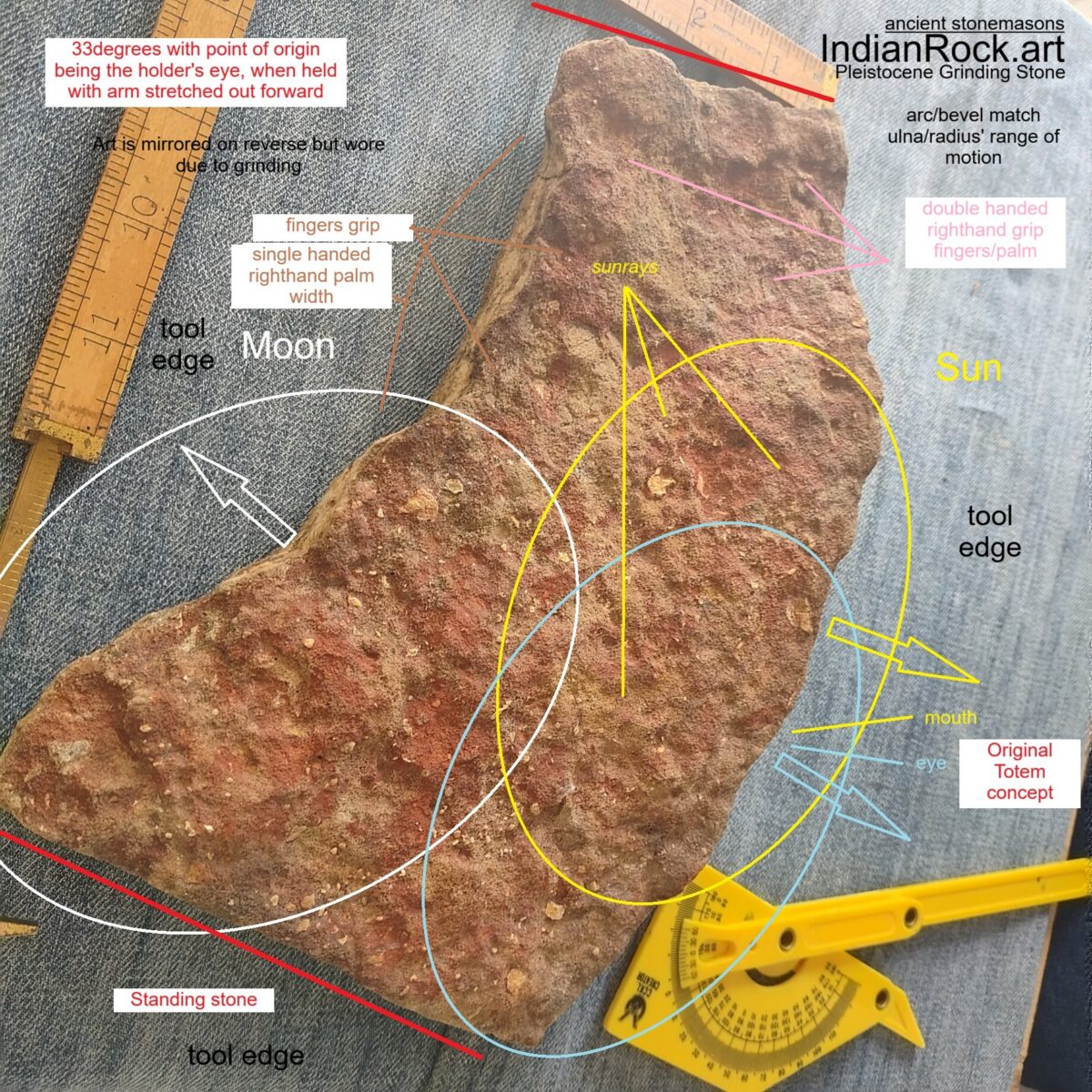
This stone was discovered five years ago. It stands upright, 90degree perpendicular to the Earth. By that, I figured it as a sundial. It was just last week that I saw it for what it truly is.
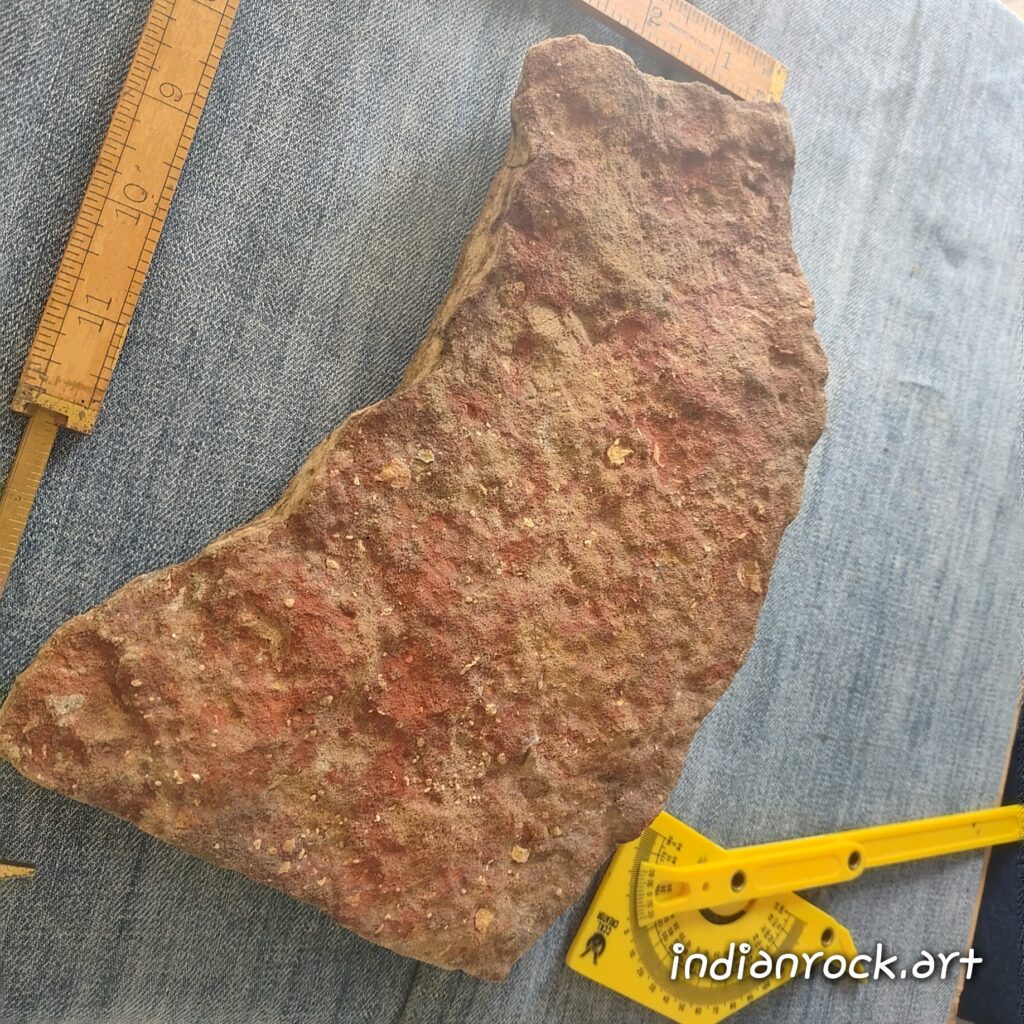
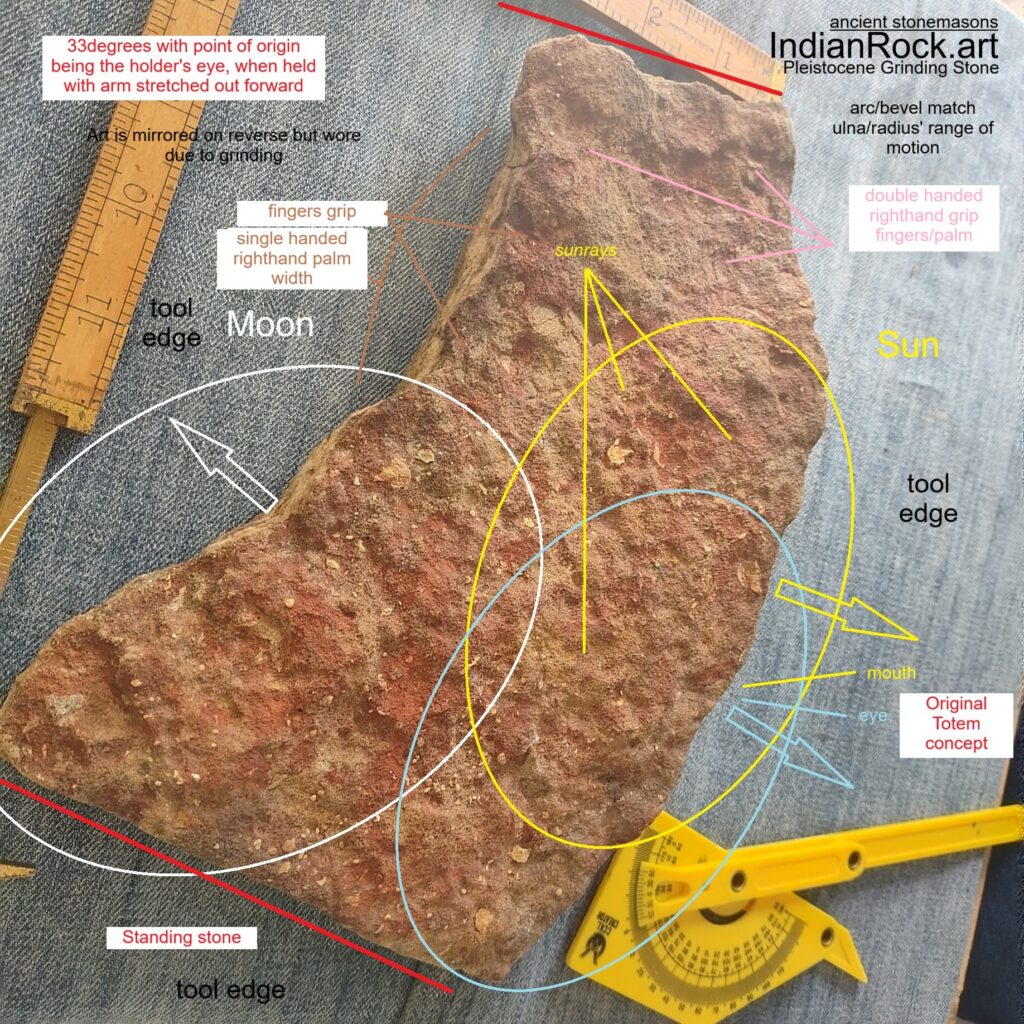
The Grinding Stone – IndianRock.art
There were humans living in the United States of America before Clovis. This has been proven. Though, the hunter/gatherer model should be challenged, because the dots don’t lineup.
I submit for phase2 of this operation, more than a dozen stones that share the shape of the following two specimens. One of these is a large stone at the base of the ravine. Within the perimeter of these stones are opposing human faces. There are variations of these faces across the growing IndianRock.art collection, but generally speaking, the artistry is representing two separate individuals along with other figures. This style falls in-line with the typical layered-art and spin-art of IndianRock.art.
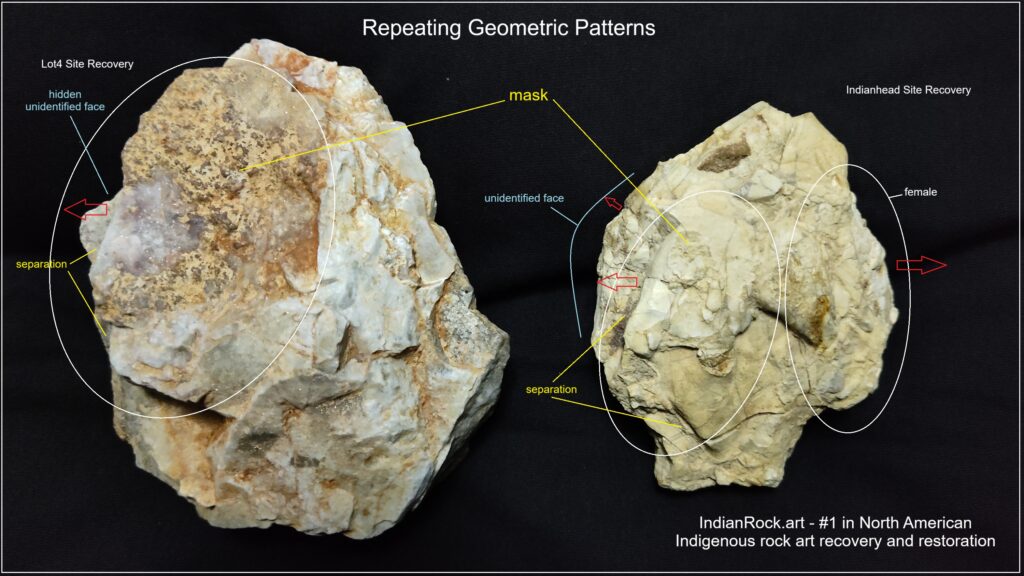
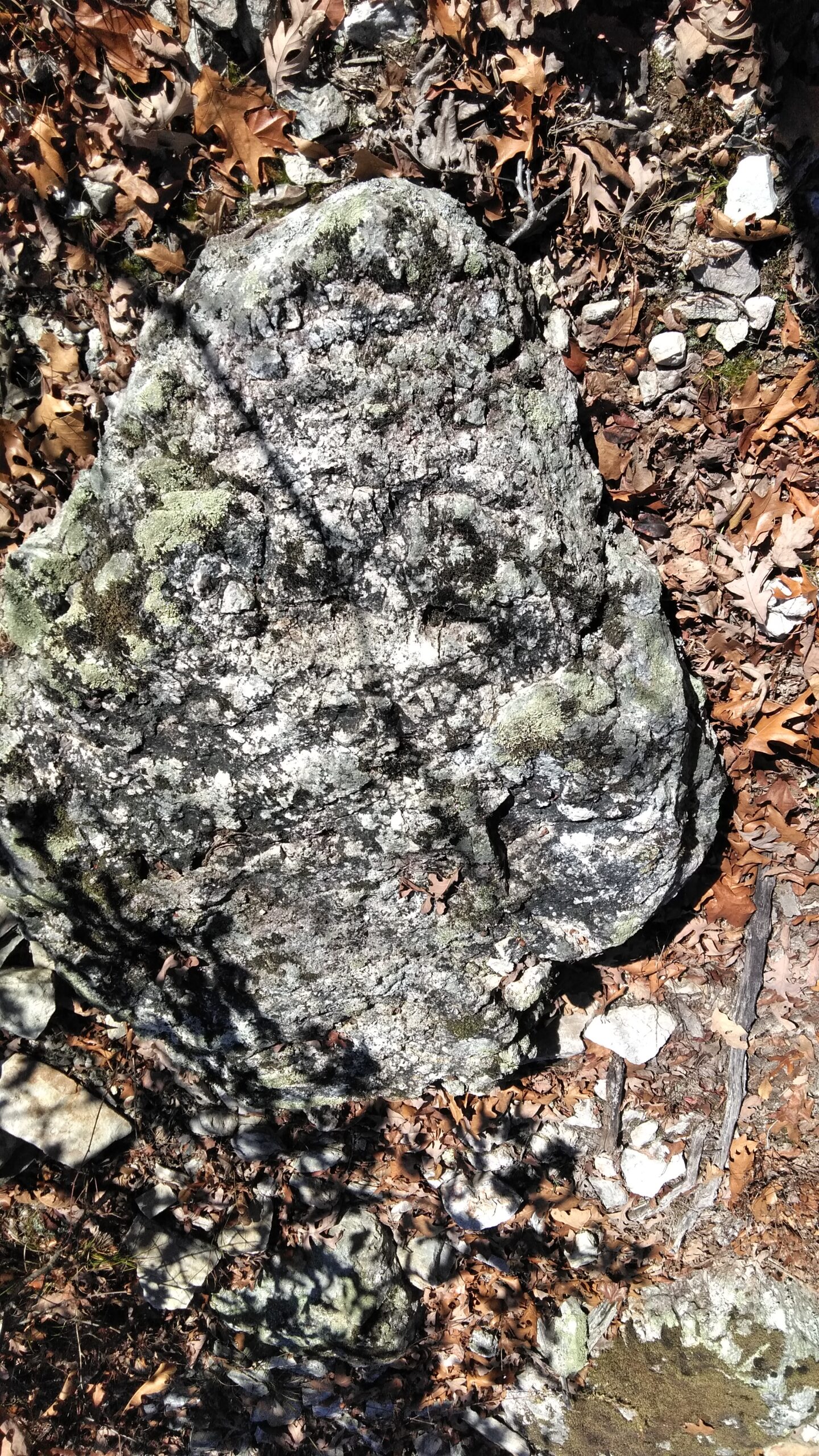
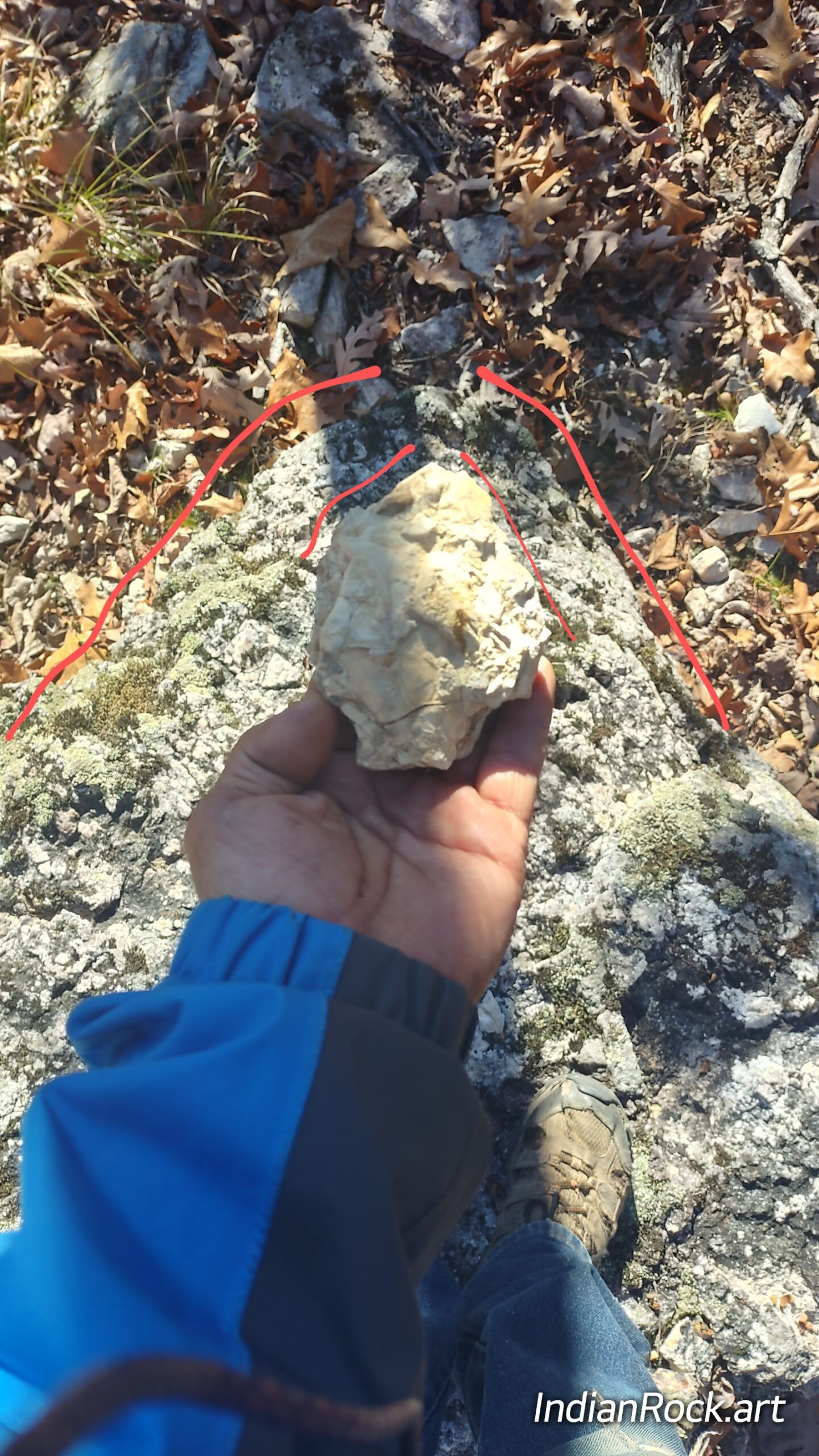
Unify the Nations – IndianRock.art
(The traditional sculpting process dictates that material is removed until a 3d model of the intended subject remains.)
Do you often wonder why it is that IndianRock.art exists. I mean, what exactly is going on? We can all speculate. Everyone has their opinion, right? For me, as crazy as I may seem, I am always in search for a mathematical language that unequivocally dissects the unknown into known variables, connecting all the dots, be them separated by thousands of miles or thousands of years.
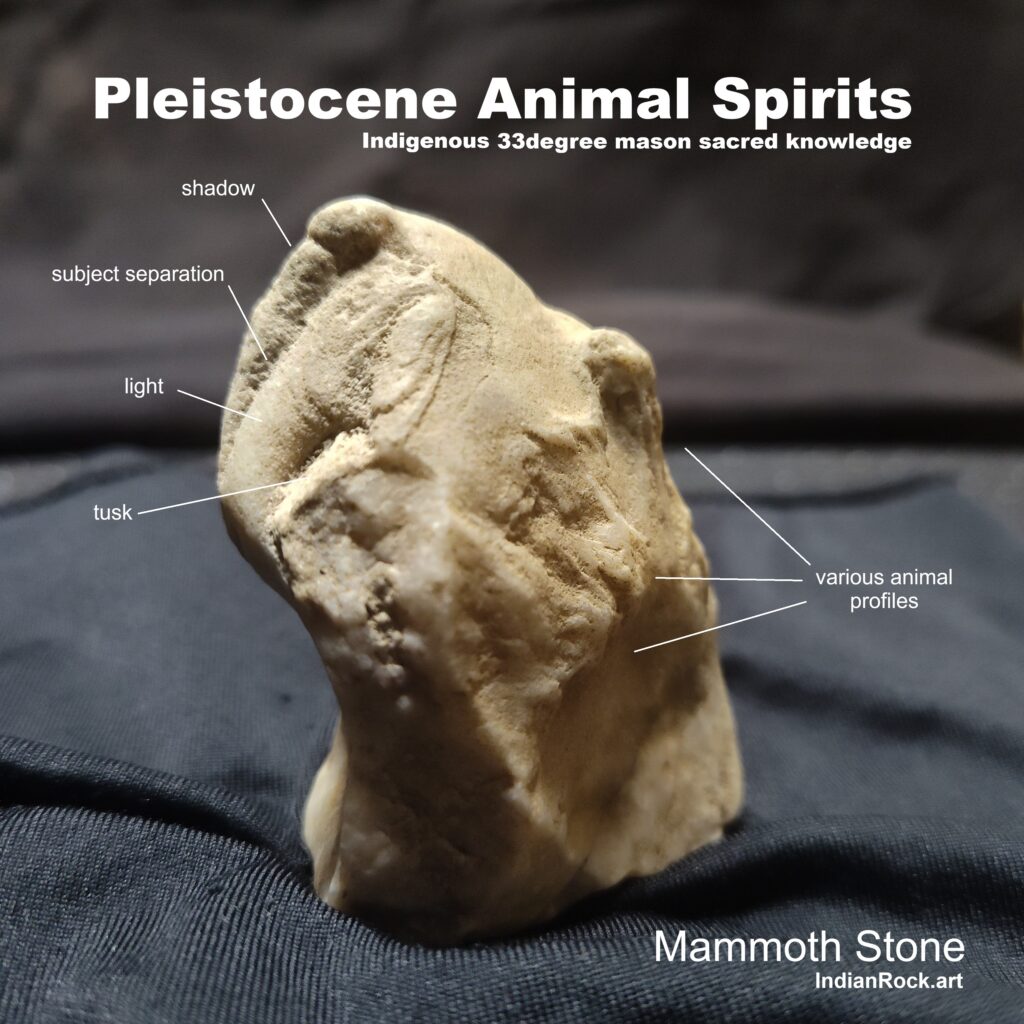
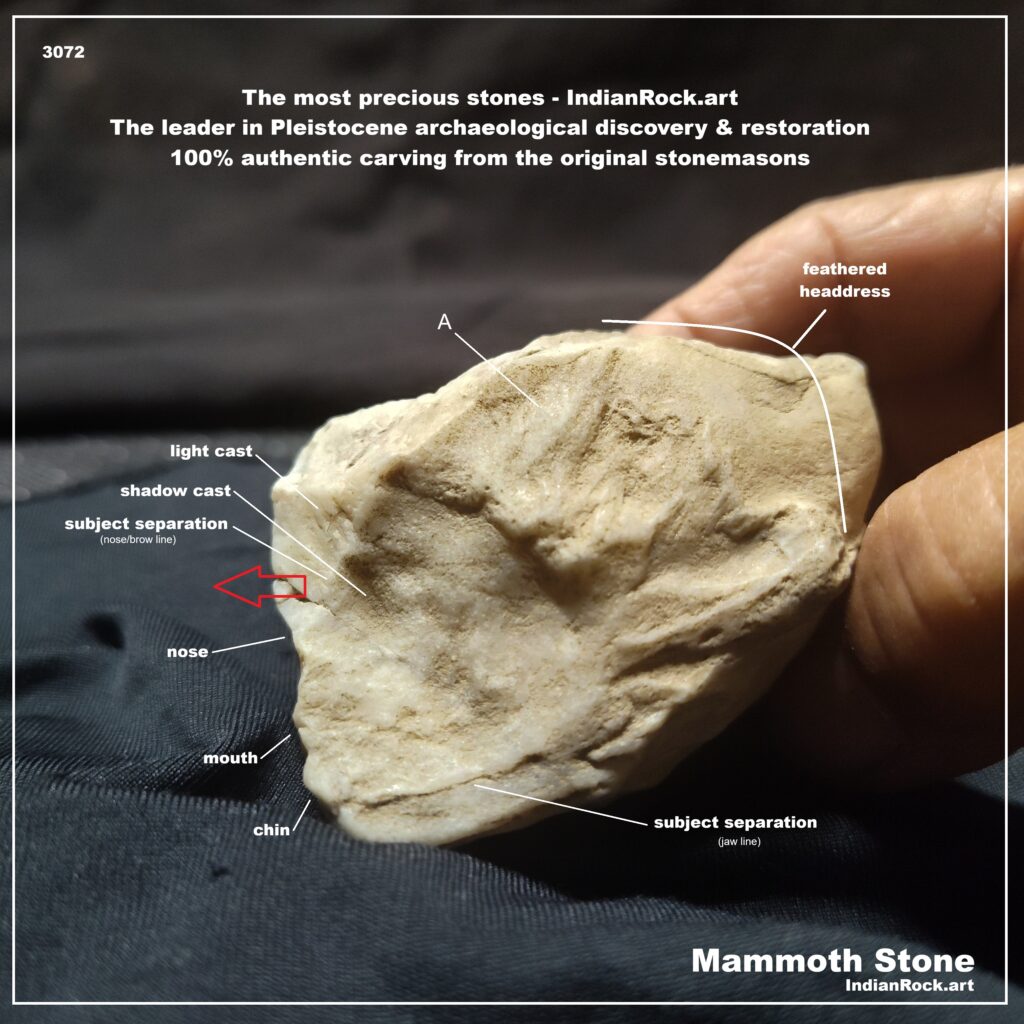
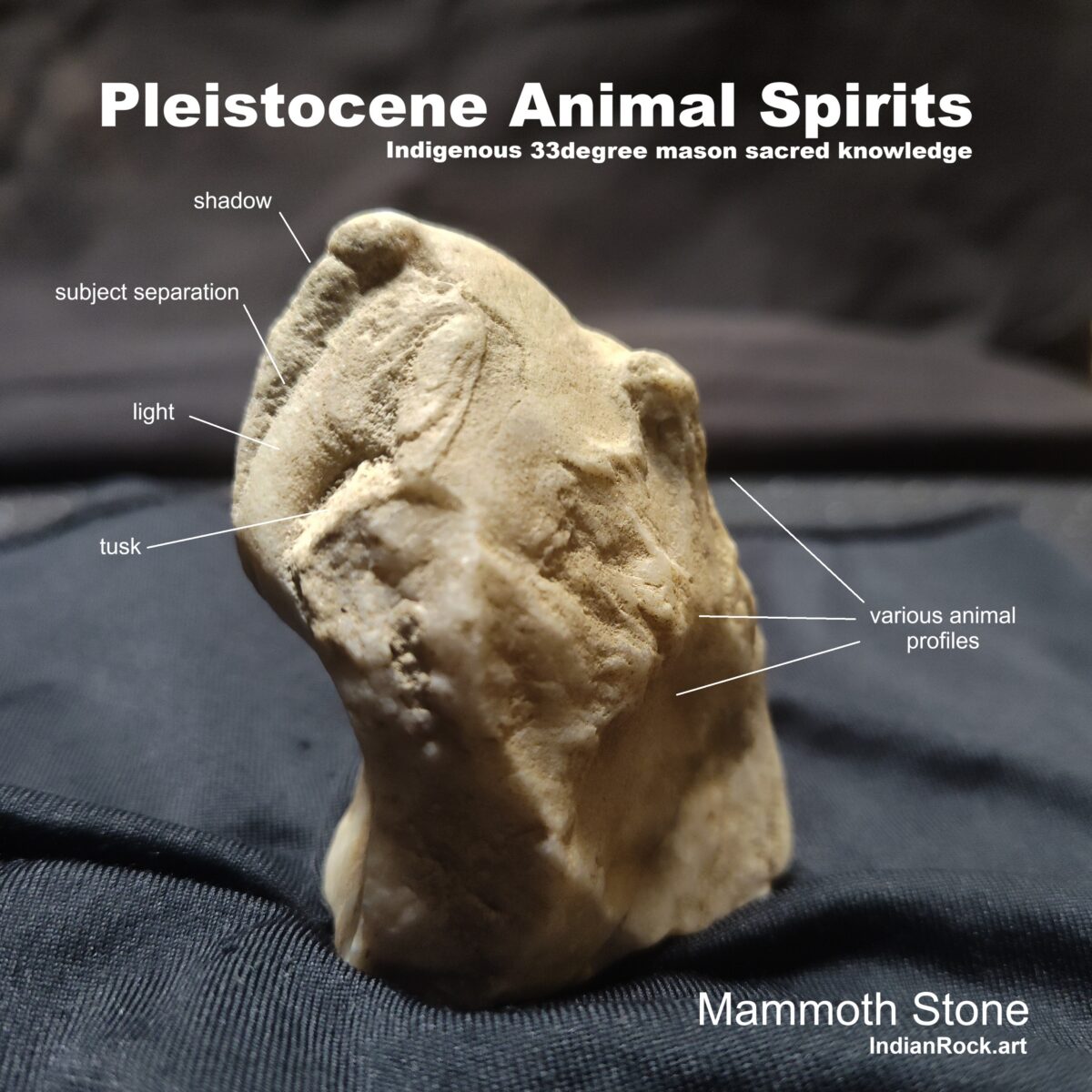
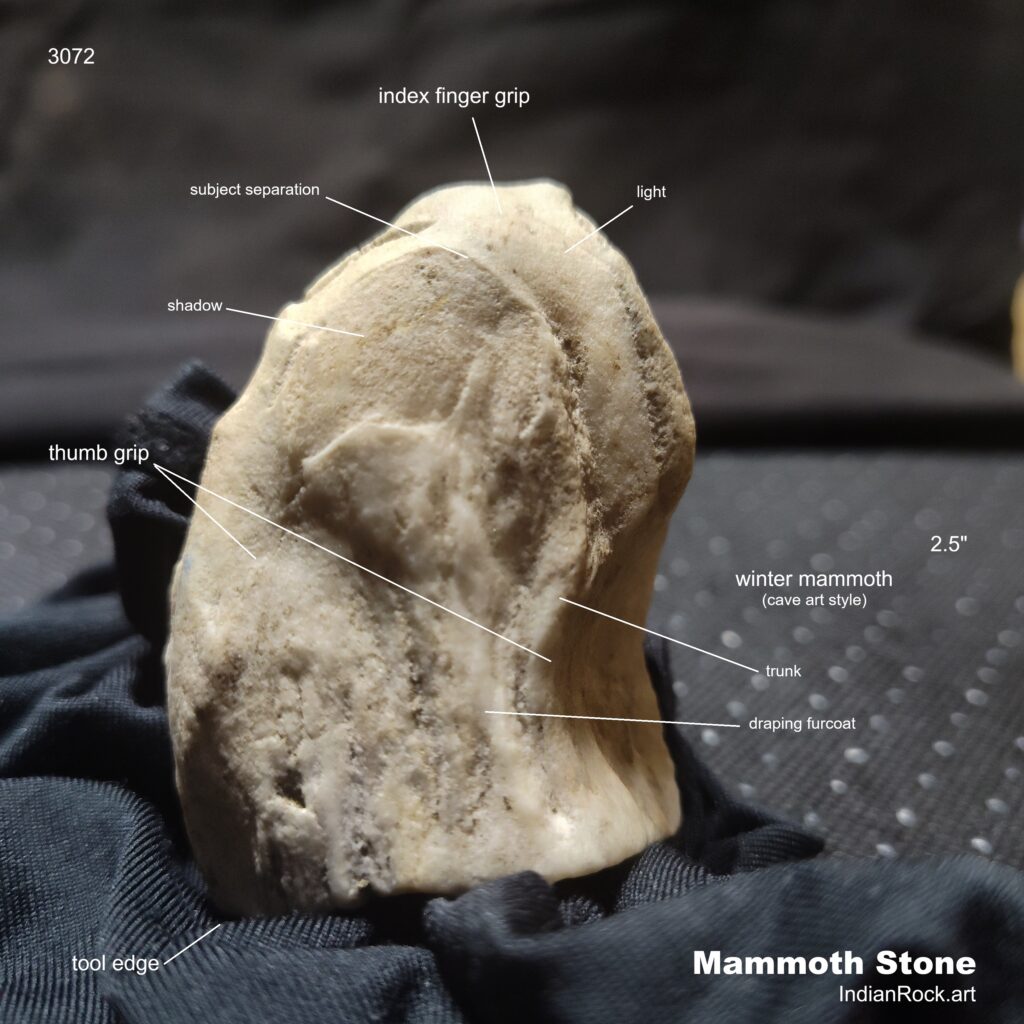
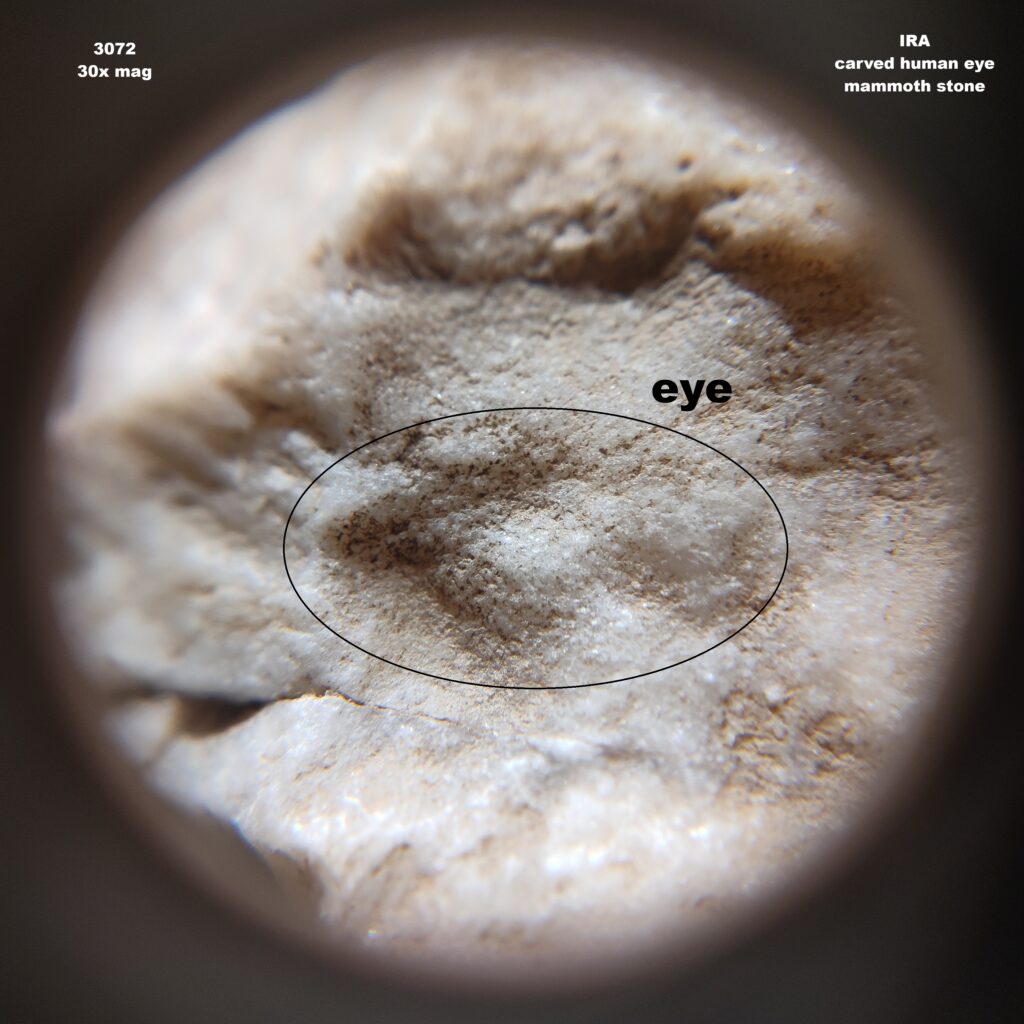
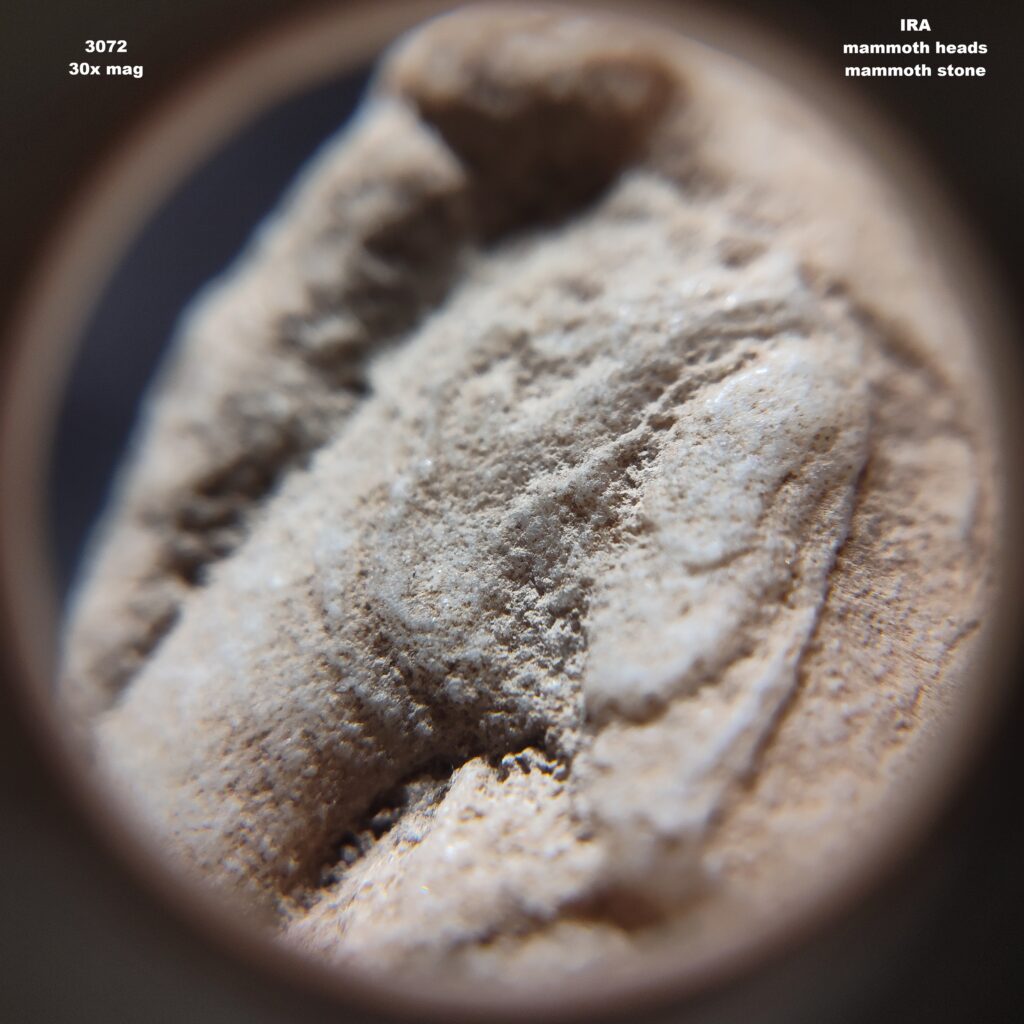
This stone was in a previous post, a while back. Here, I have updated the images, for better quality and as an example of how a Stone Age artist understood, and effectively carved, the reflective qualities of light upon varying surface textures. Additionally, as reference, this stone highlights the importance of viewing art with a contrasting backdrop, without relying on an external source, by including this concept into the finished piece. It’s like two-dimensional art carved into a three-dimensional object. This explains why direction and angle from the light source is imperative in seeing the finished work, in addition to the importance of the point-of-view.
Unify the Nations – IndianRock.art
I was digging a hole for a small garden pond at Lot4 site, when I struck something deep in the hilltop strata.
Unify the Nations – IndianRock.art
At IndianRock.art, just below the surface, there are tens of thousands of stones, if not millions. Alone, they are insignificant. Together, they will change the way that people see. …a new world.
Unify the Nations – IndianRock.art
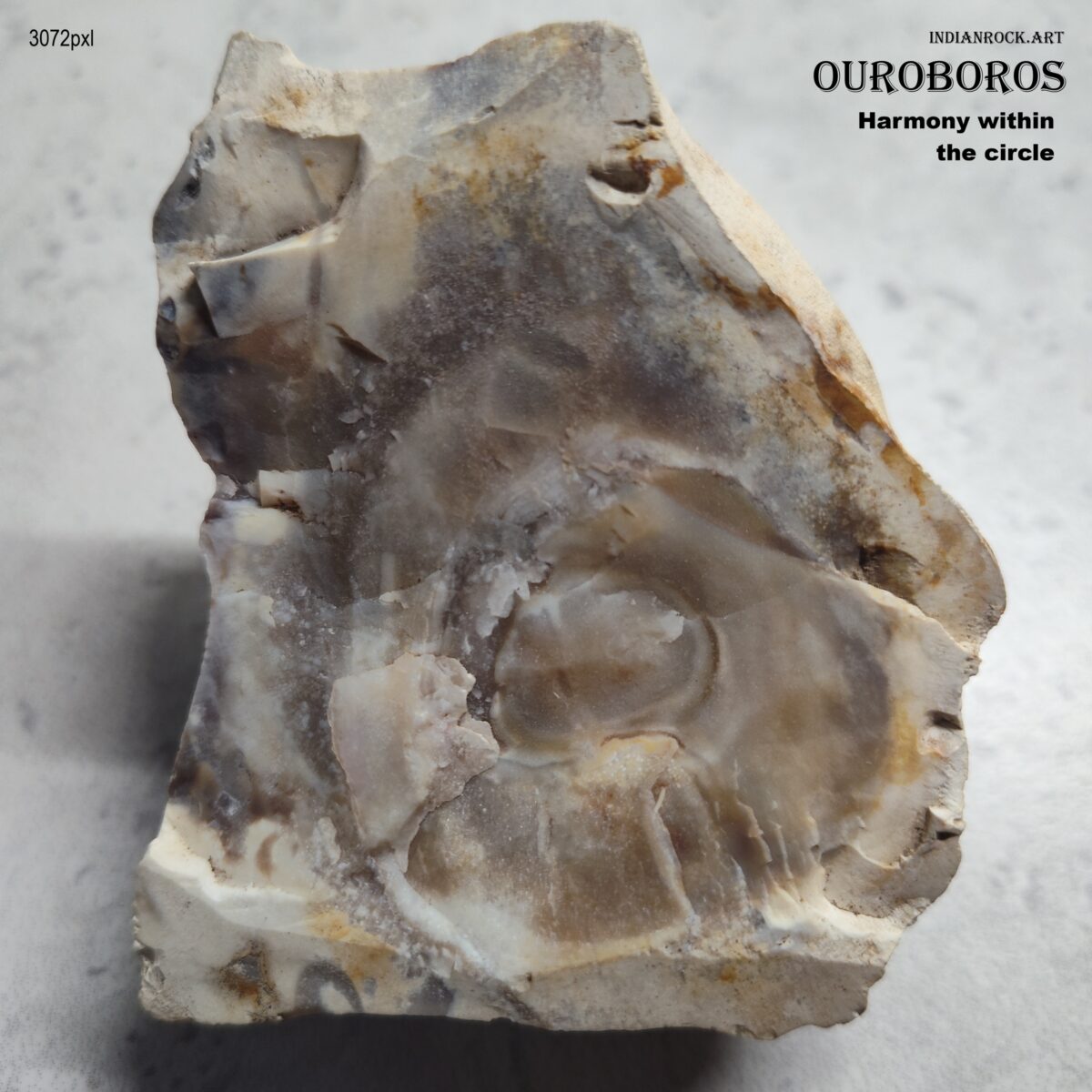
A very long time ago, someone carved a snake in a circle form. Whether or not the snake is eating its own tail, is irrelevant,
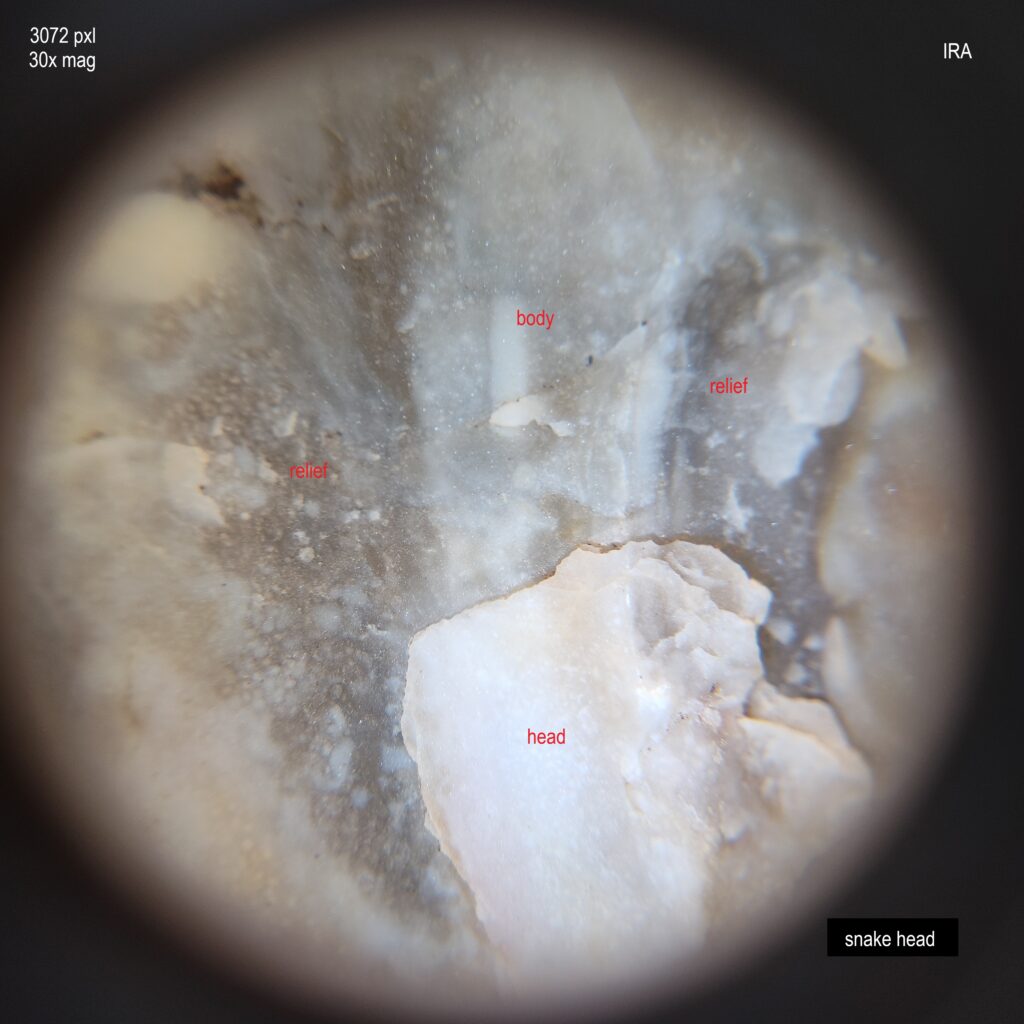
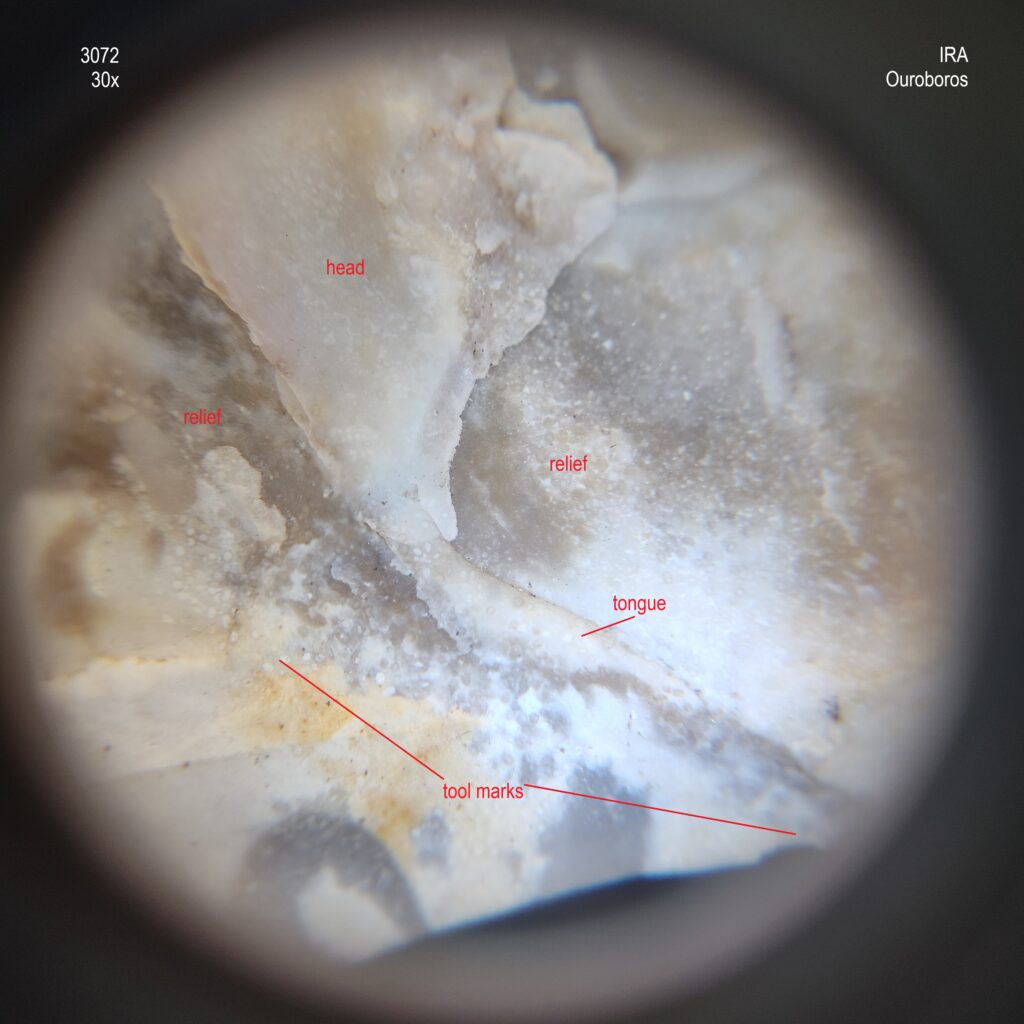
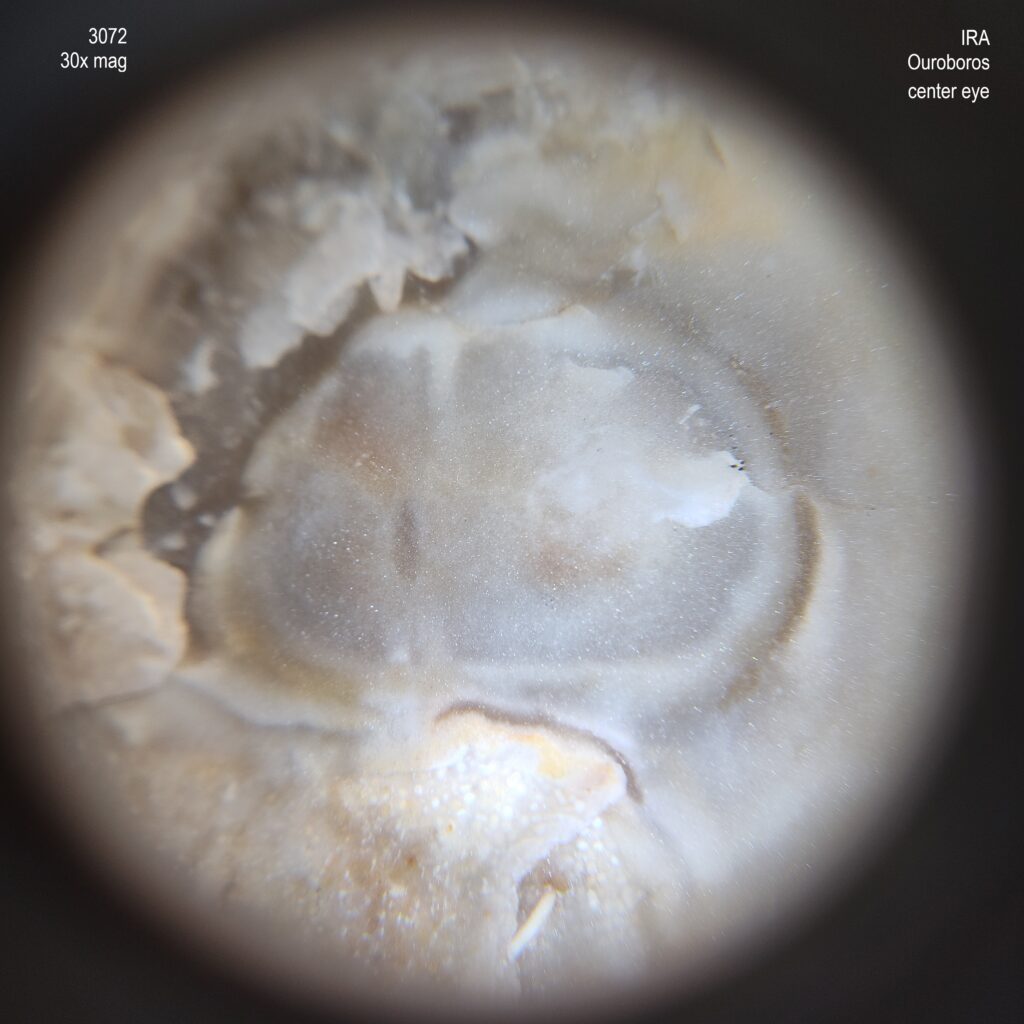
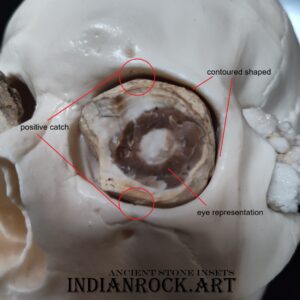
Here, the symbol Ouroboros is centered around an eye, which is also representing the consciousness or senses of the human head gazing to the right. Surrounding the coiled snake are animals of various species. In addition, there is a dog that is represented in two positions: awake and sleeping. As with most hand stones from IndianRock.art, this stone is meant to be held as if it were being used as a tool and viewed from the position and angle of the mason’s eye that’s wielding it. From this position of advantage, the mason only needs to turn his or her wrist in order to see the different animal spirit motifs.
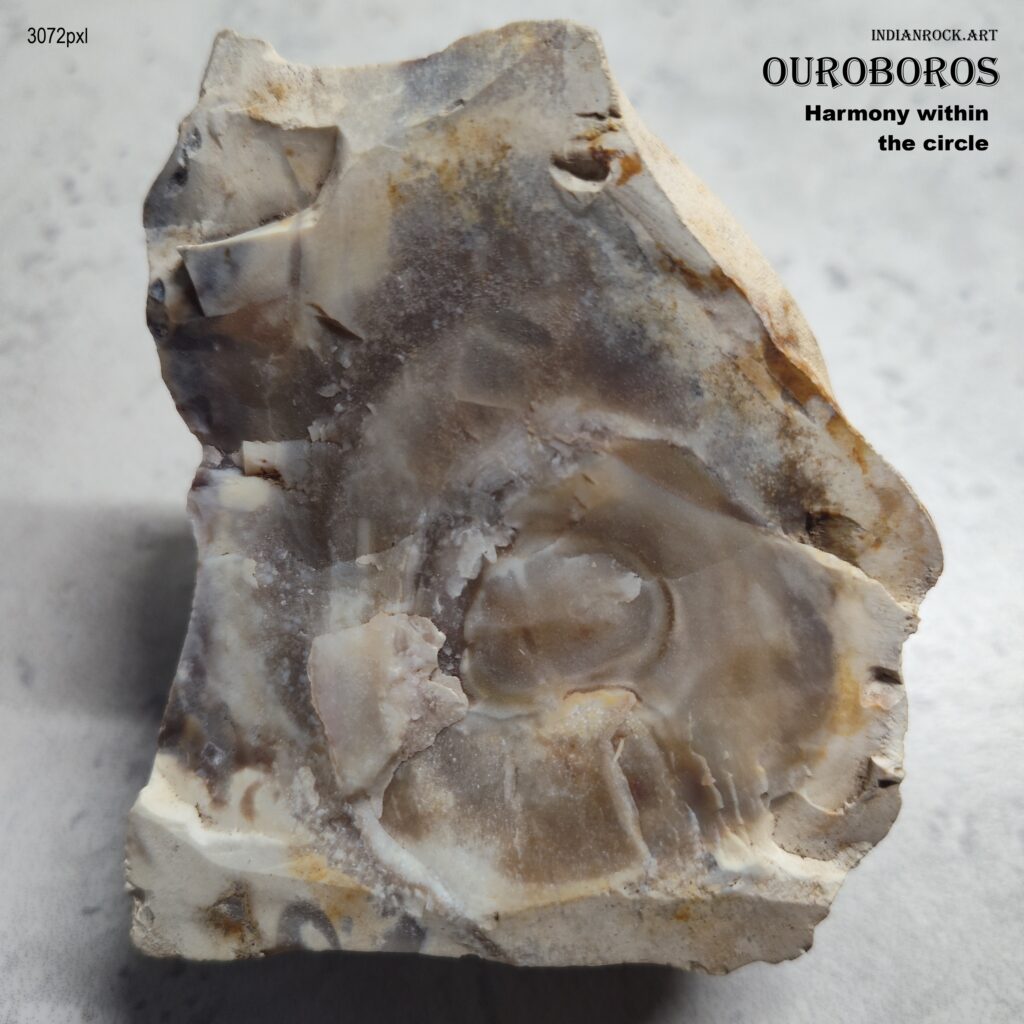
The eye, the window of the soul, is the chief organ whereby the understanding may have the most complete and magnificent view of the infinite works of nature. Leonardo da Vinci
Unify the Nations – IndianRock.art
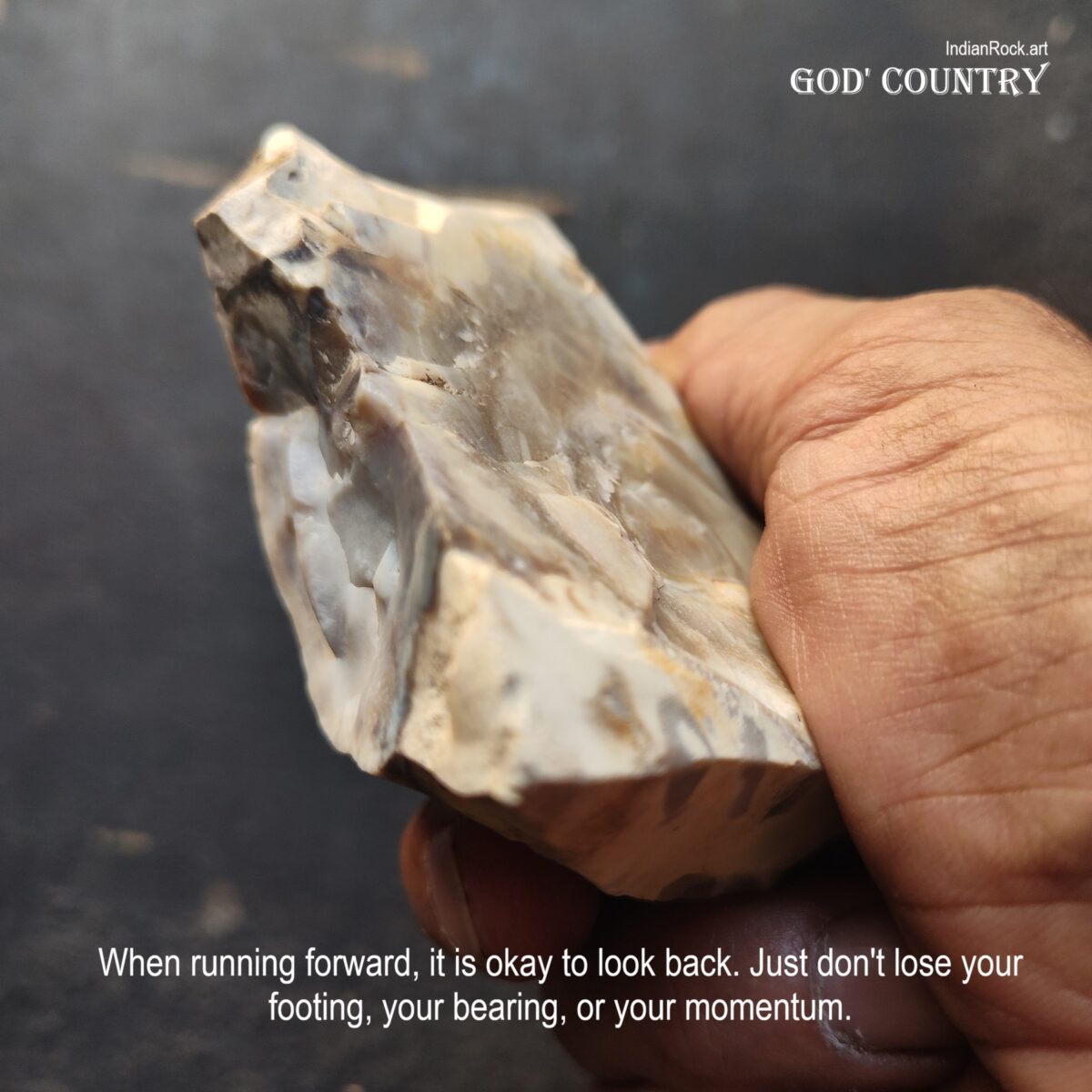
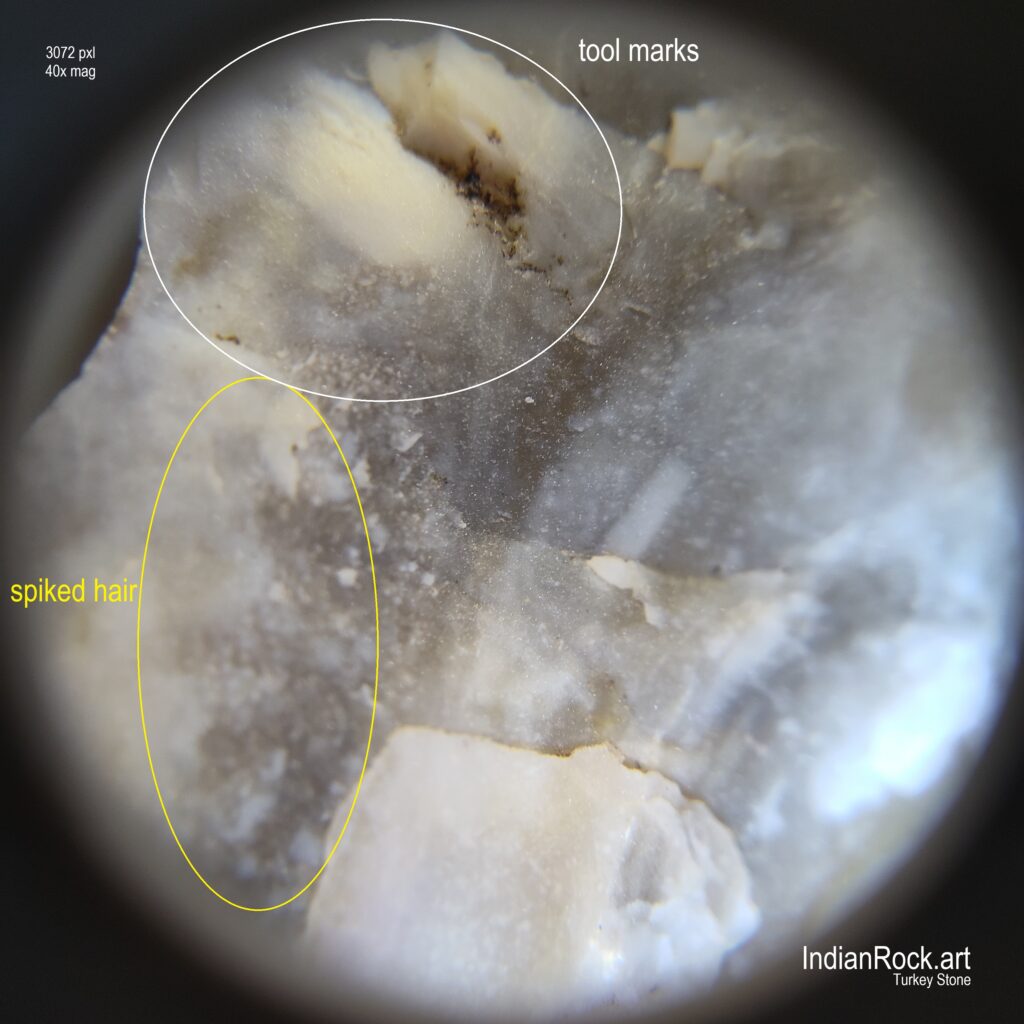
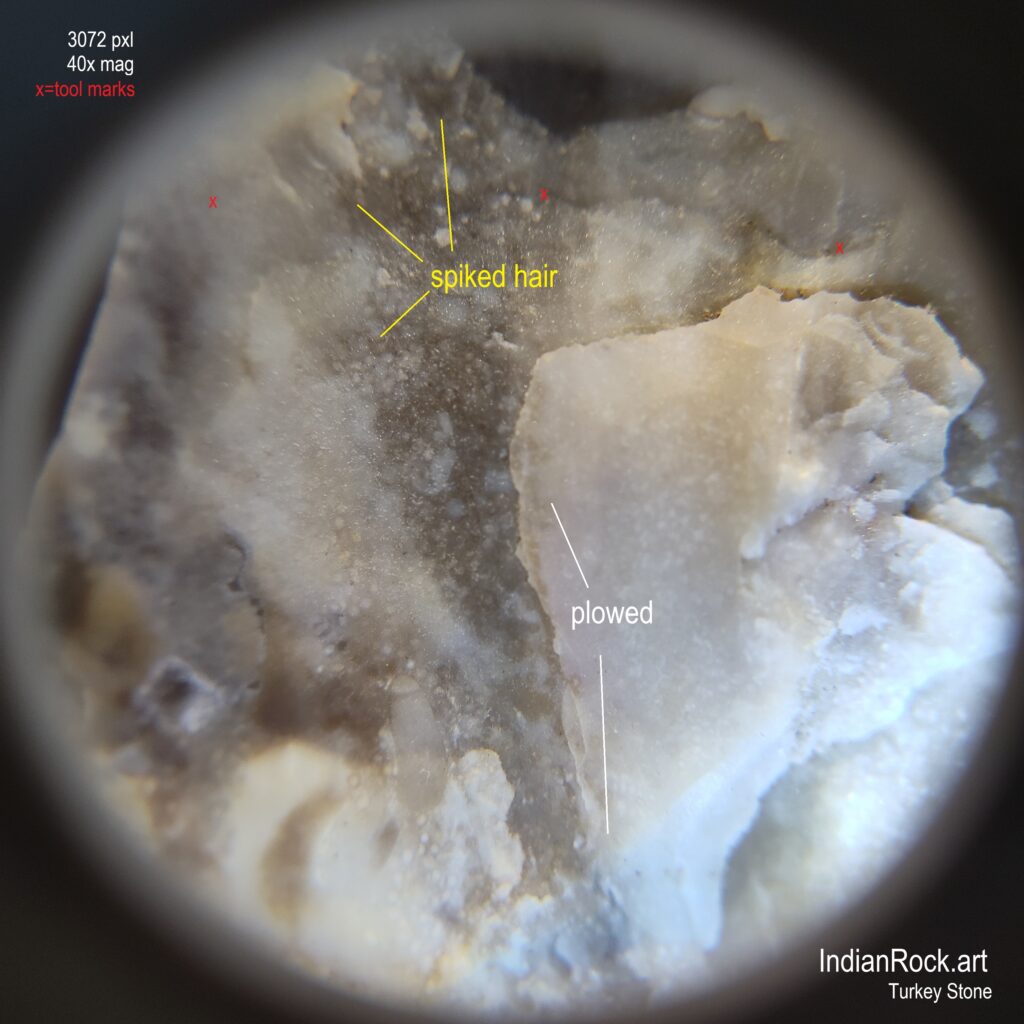
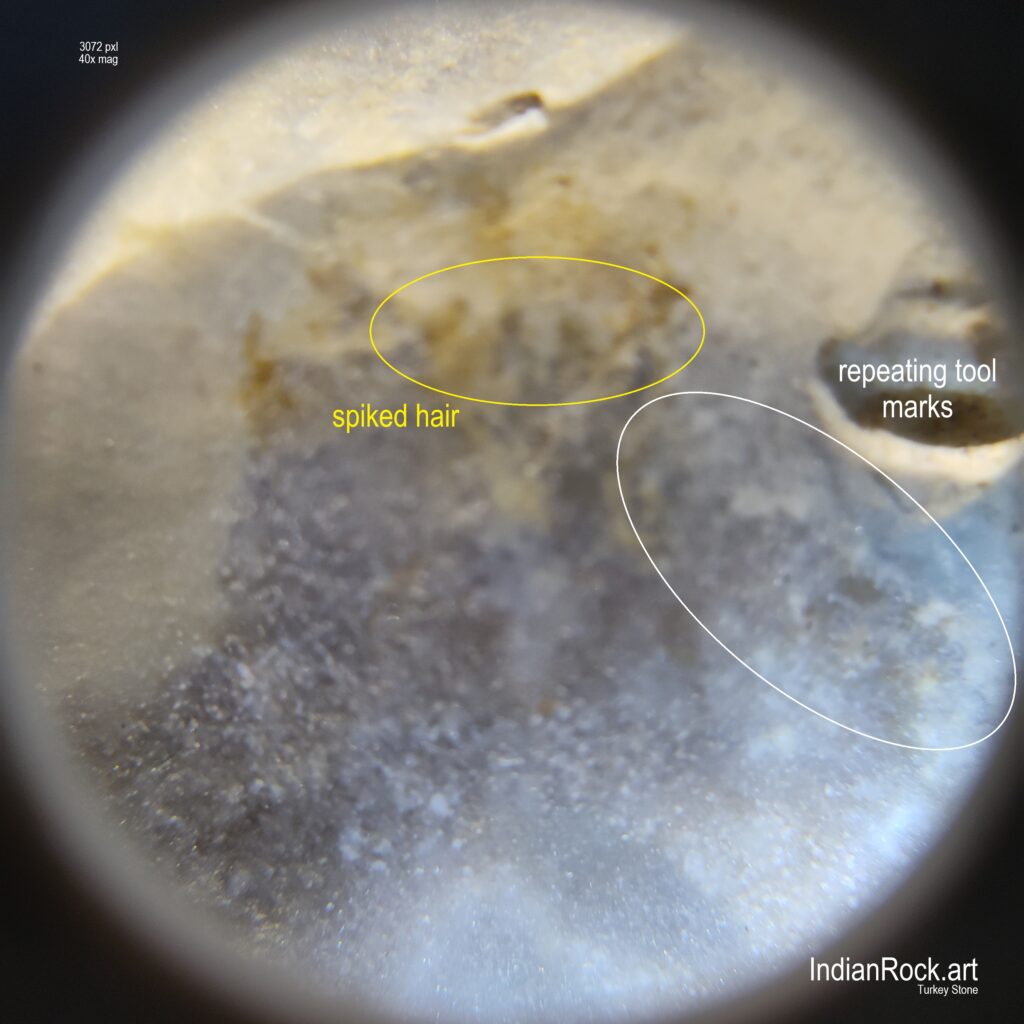
Notice that the head of the human face looking to the right has spiked hair. Additionally and typical of the IndianRock.art style, the human head is also the left eye of the bird. As an artisan, I understand the value in this approach to stone carving: with rudimentary tools and a possible time-crunch, I would want to capitalize on what is already existing, as well. I believe this mindset, coupled with a deep sense of connection with both, the natural world and the spirit realm, is a vital facet in the foundational gem- which are the stones, collectively, at IndianRock.art.
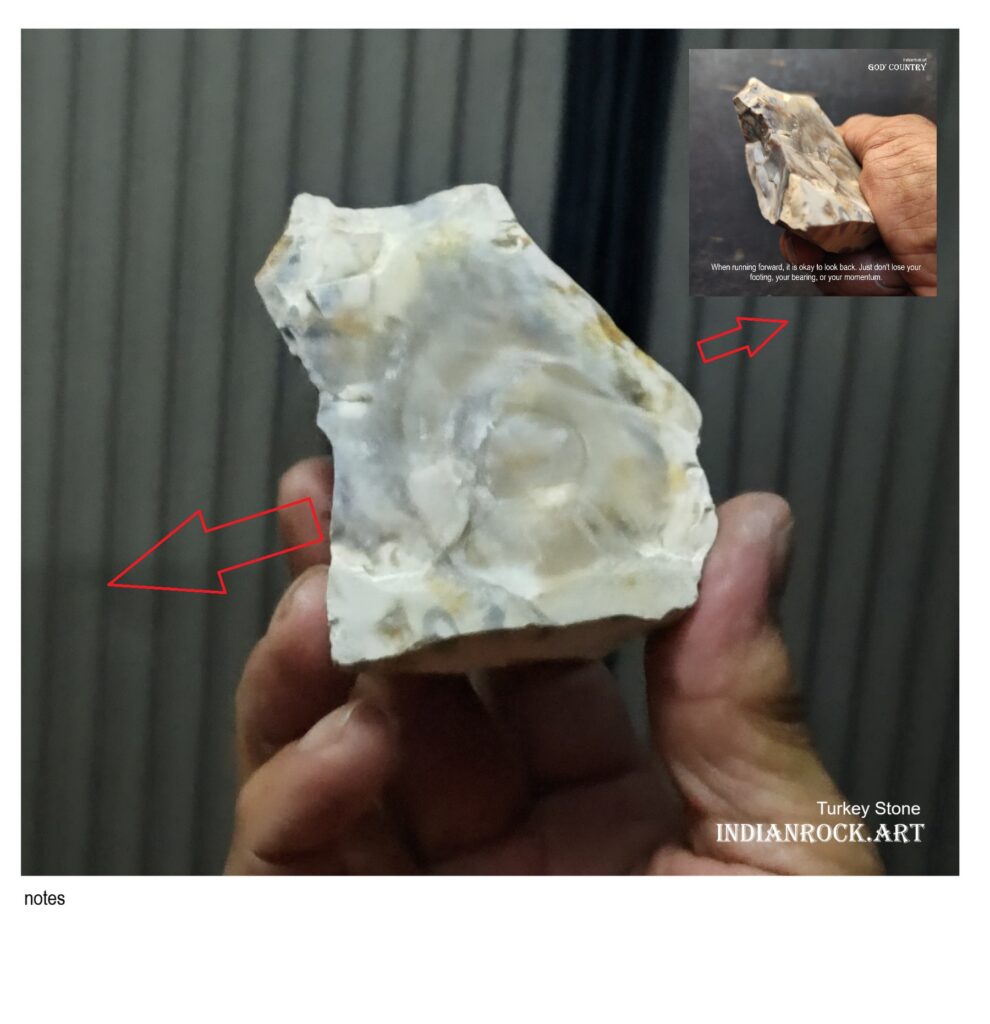
As a carpenter, I began in a furniture shop. My job was to sand. That was it. The thing about sanding is that your fingertips become highly sensitive to subtle changes in surface variations; and so, when I hold these stones- my fingers see what is on the surface. Naturally, my fingers don’t read the stone, but they do learn a lot about the stone. After holding thousands of these stones over the past several years, I have developed a feel for them. This accounts for the confidence in my steps, not only because I see the repeating geometry, but because I feel it- more so and quite literally.
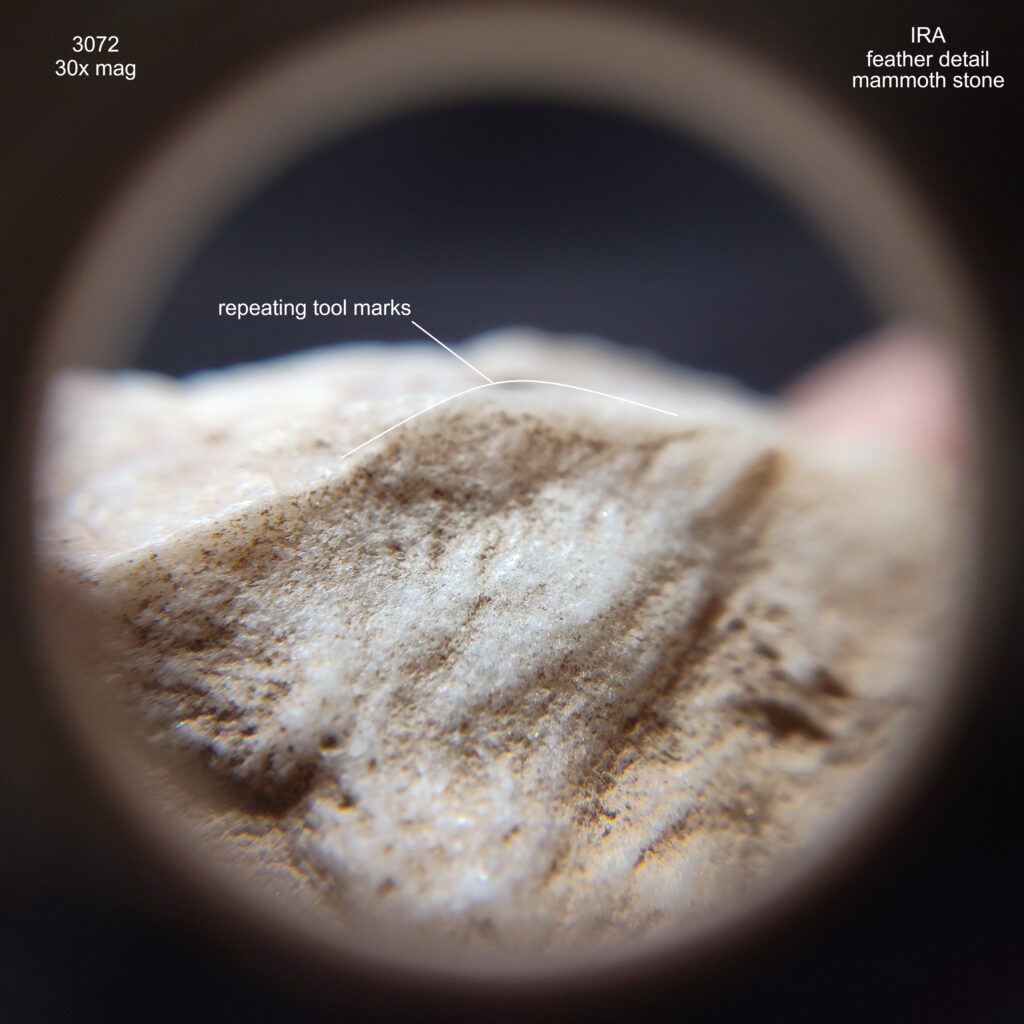
Below are images shot at 40x optical magnification. They highlight the spiked hair seen in the first image of this post and the plowed groove right below the hairline. What I find fascinating about this style of sculpting is that the form is not separate from the dance of shadow and light; instead, the form is the shadow and light.
Unify the Nations – IndianRock.art
All stones with the IndianRock.art logo are 100% authentic prehistoric indigenous artifacts discovered on the IndianRock.art grounds or discovered by Paul Marak and connected by way of the 33degree Star. IndianRock.art is a recently discovered ancient stone carver site in the Missouri River Basin along Potter Creek, which was once the southern-most edge of the late-Pleistocene glacial icesheet, dating back, starting more than 12000 years ago, when it began to recede northward. The archaeological site is private and managed by Paul Marak: an interior finish carpenter, with extensive knowledge of handtools and dynamic anatomic geometry, as it relates to tool usage and the consequential markings left on stones. …basically, the hilltop is an ancient masons’ workshop, that is now being unearthed as it was left thousands of years ago. And even though I’m not an archaeologist, rockhound, indigenous scholar, or whatever: God knows that I see the geometry and that I know my way around a shop. IndianRock.art: Except no substitute.
Unify the Nations – IndianRock.art