
Categories
Categories
Phase1 in review 13
Science and a Seer Stone
Without knowledge of its origin, critical evidence that supports a theory, or any fact-based contextualization that might help in drafting a presumable history, it is easy enough to dismiss this stone’s peculiar markings, by writing them off as natural occurrences, or discarding the stone, altogether, as a mere geofact. On the other hand, however, by believing that it is something more, it gains potential; therefore, allowing for spiritual transformation into, perhaps, the glorious enigma, or by way of a specific definition and certain criteria: a seer stone.

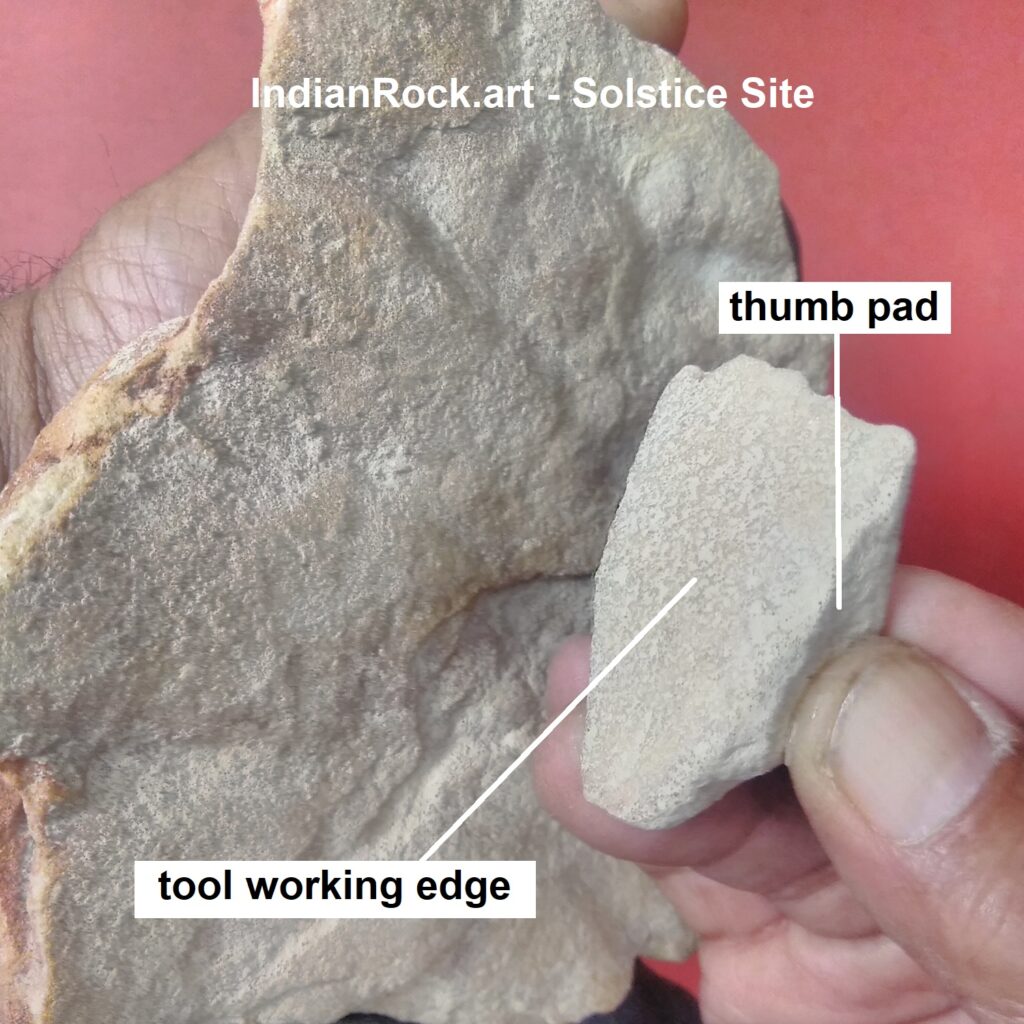
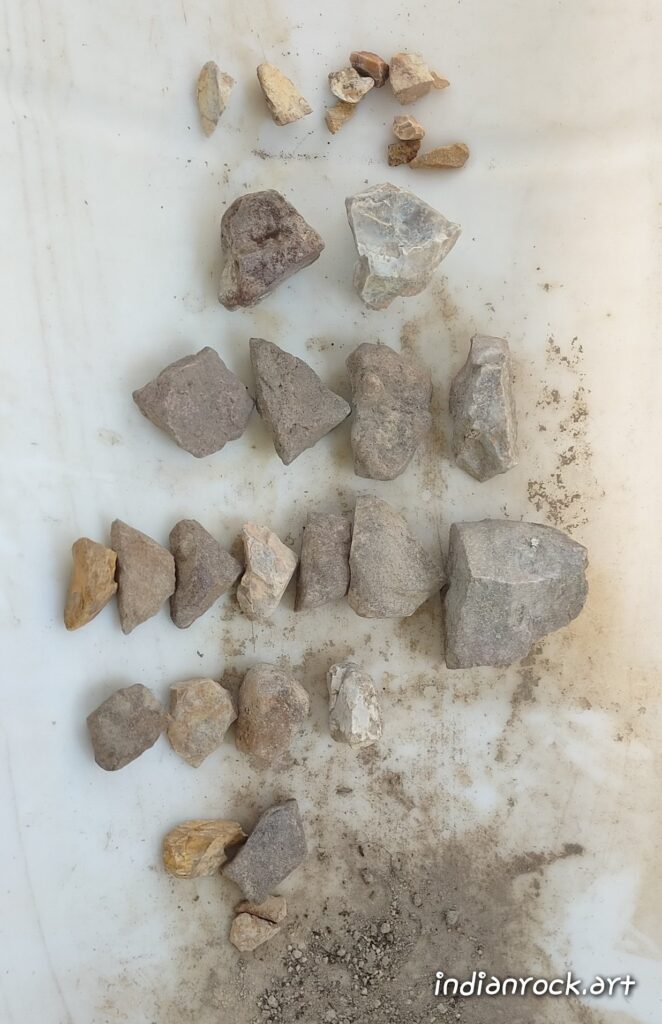
I gathered all of the stones that were unearthed around this larger base stone. They are, perhaps, what the evidence is proving them to be: the very tools that created the mysterious markings found on this stone.
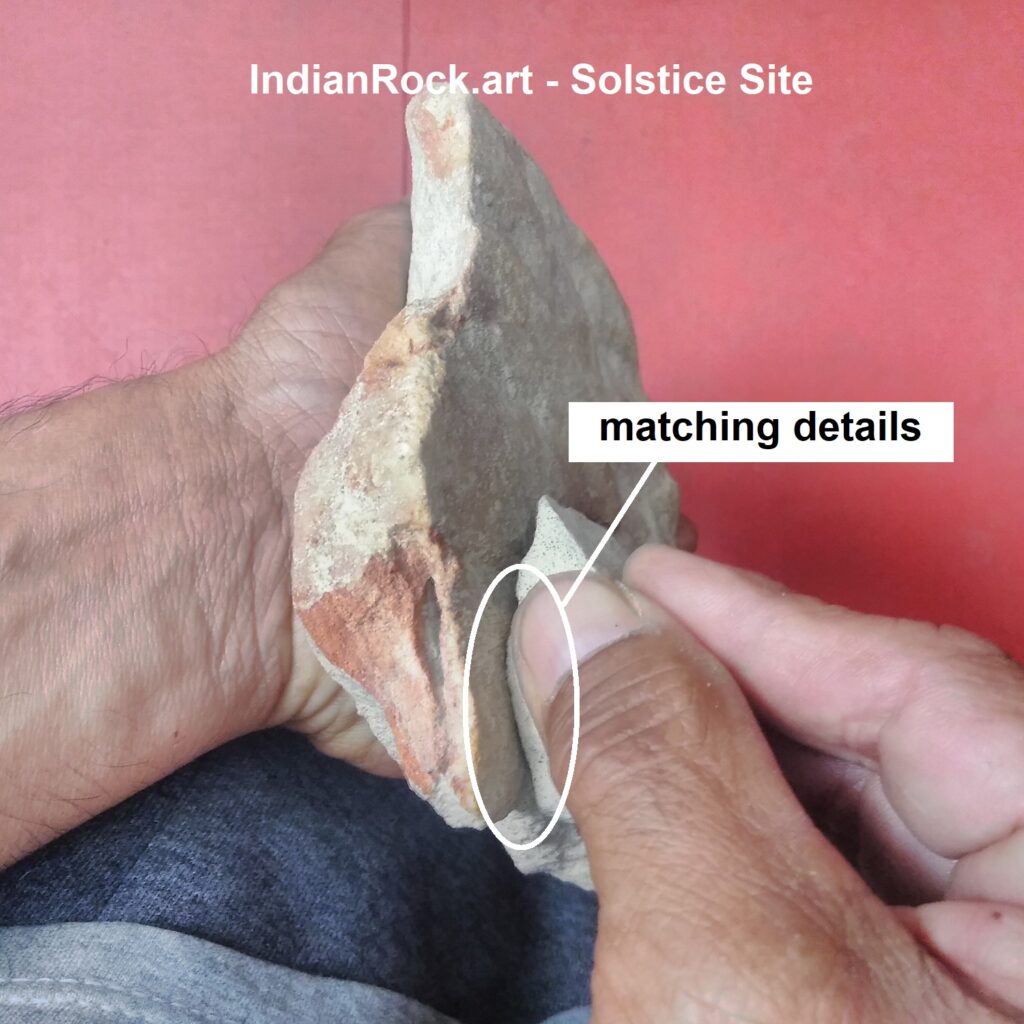
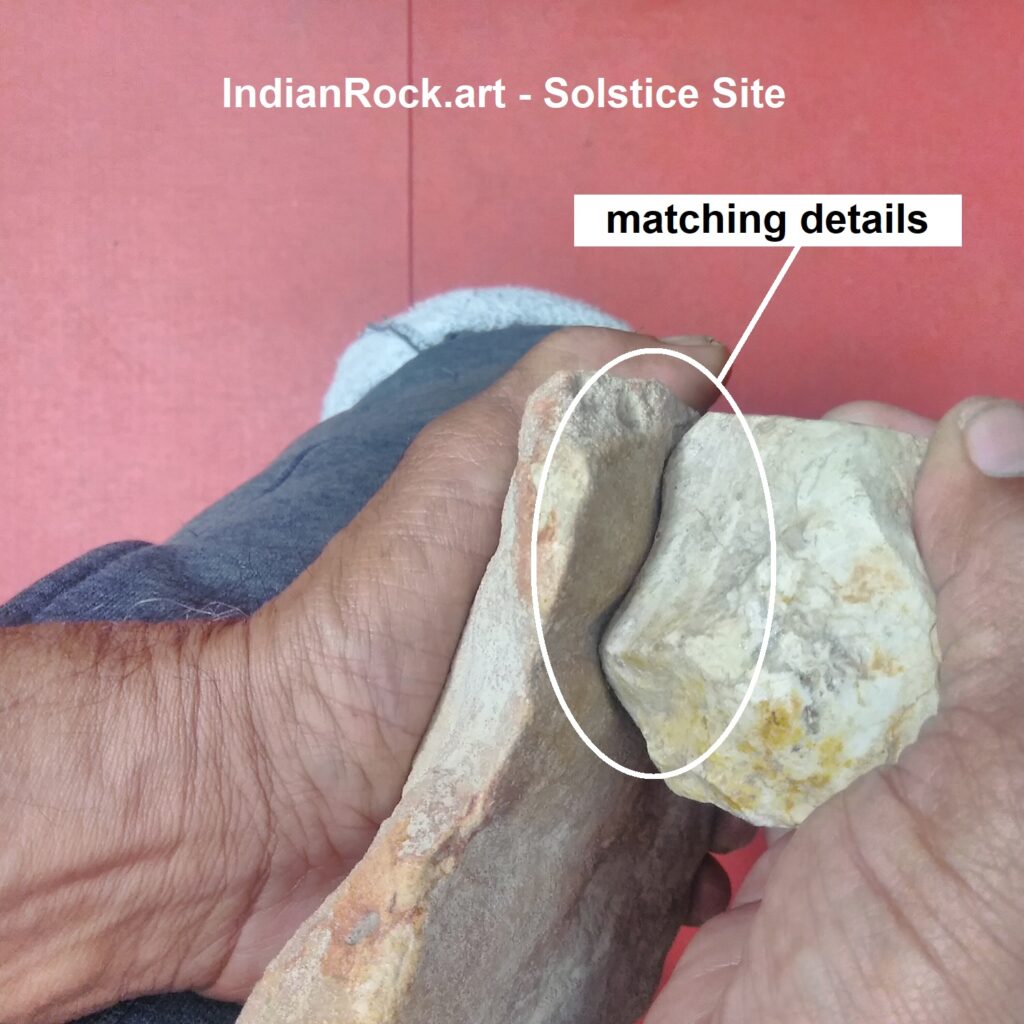
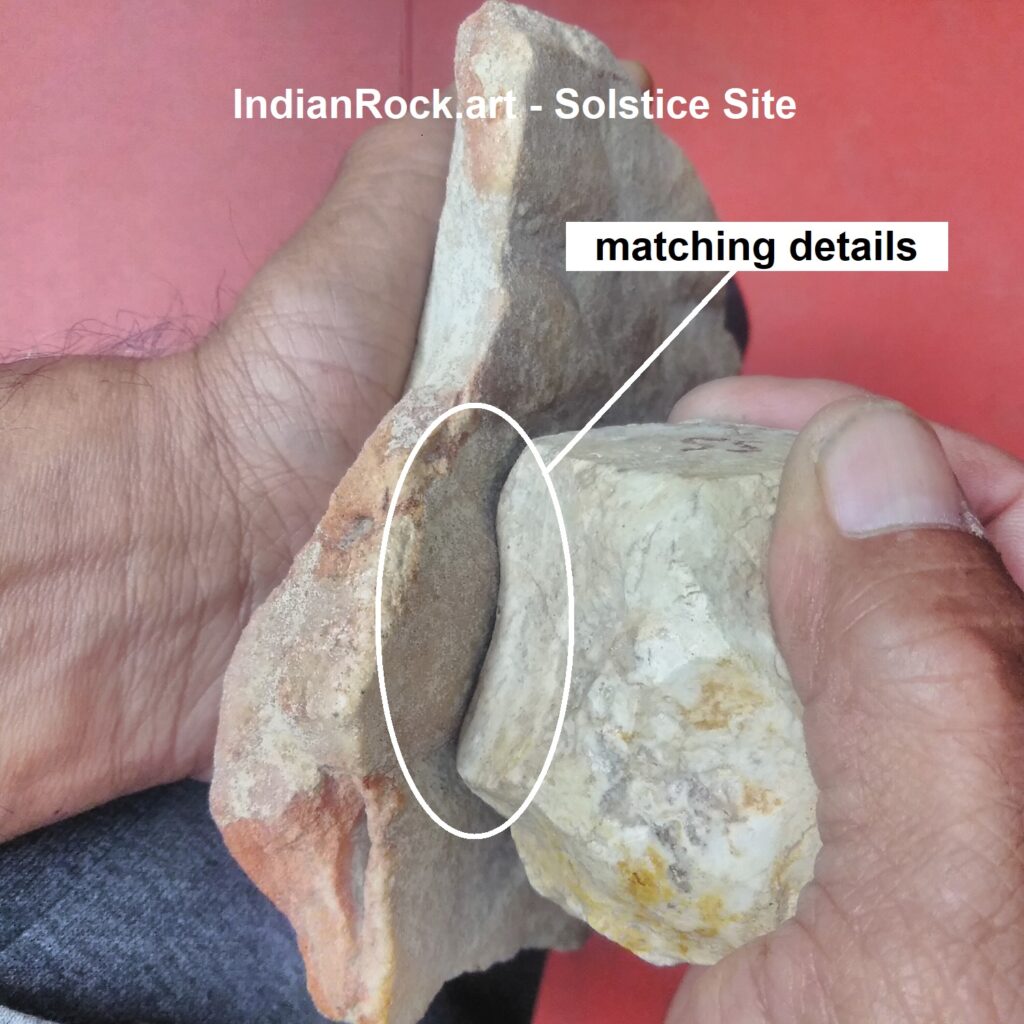
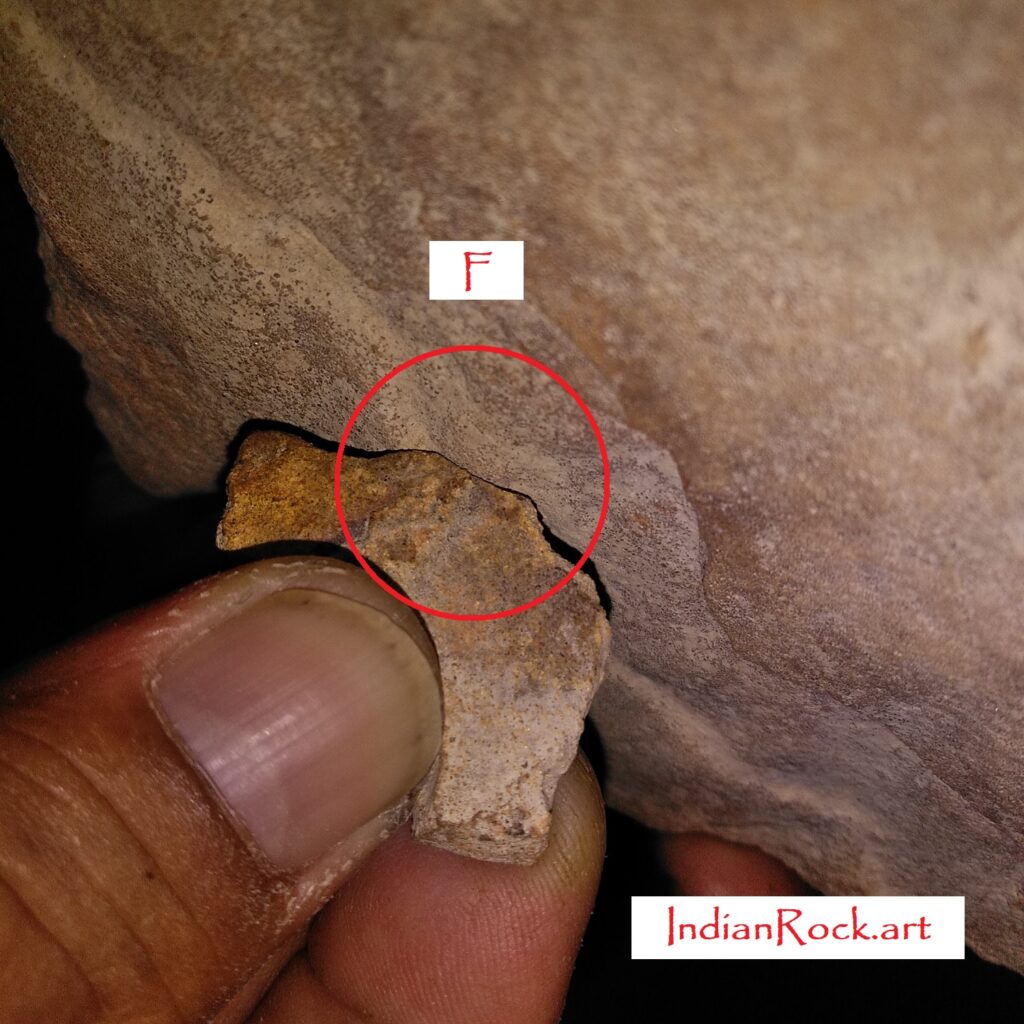
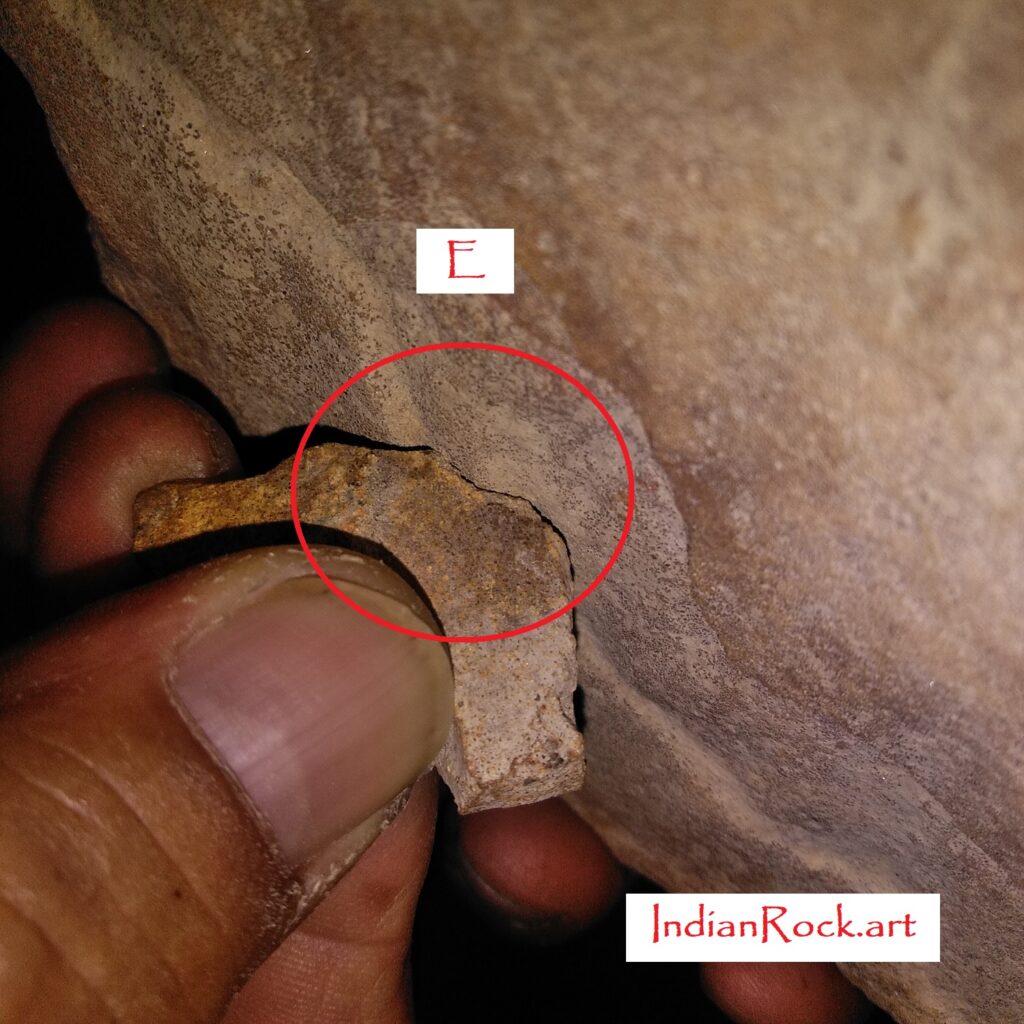
The pictures below show how one stone fits a set of impressions found on the base stone, implying that it was used to help carve out the impressions.


By the guiding illumination emitting from the gleaming heavenly body, we will bear witness to the translation of the writing.
Thank you, God.
Categories
Phase1 in review 12
Here is another stone tool that was used to finish the Hummingbird Stone.
The dance of light and shadow upon a piece is more important than the form, itself. …especially at IndianRock.art.
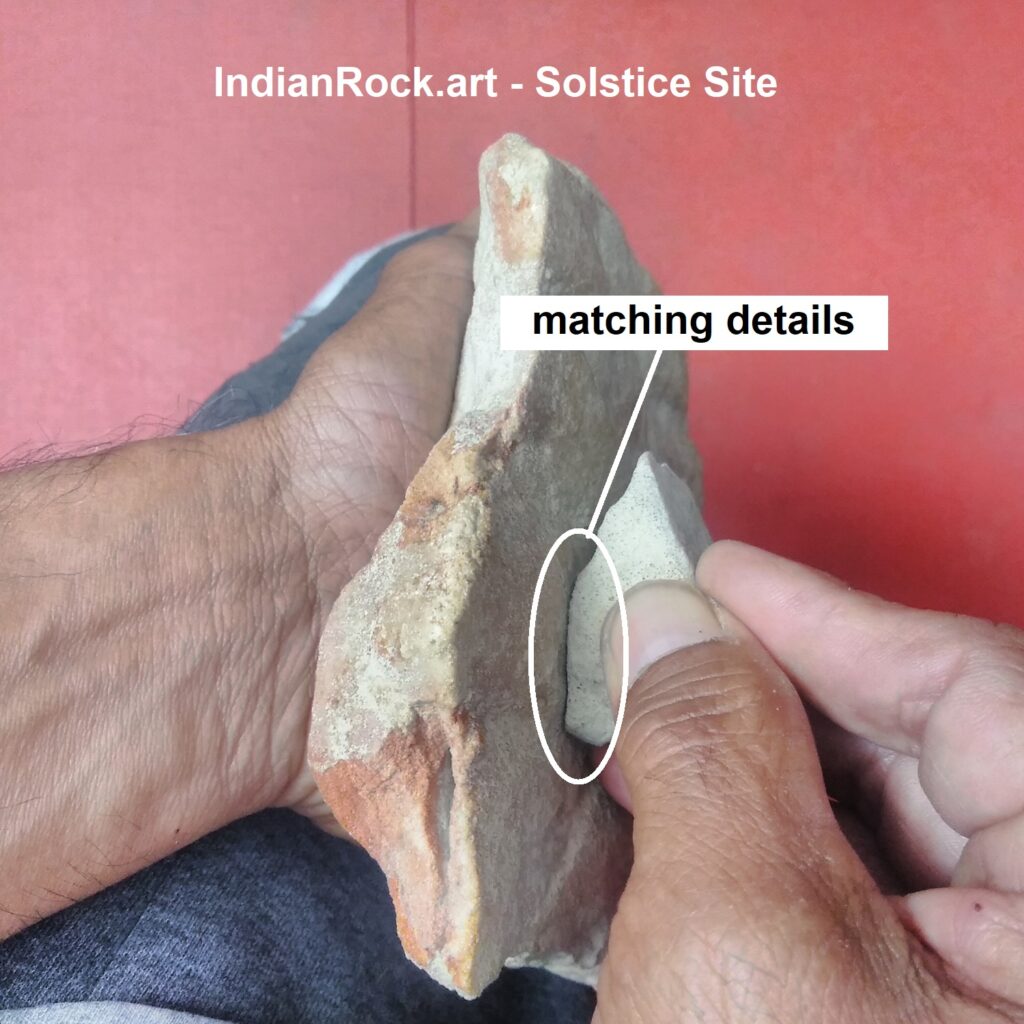
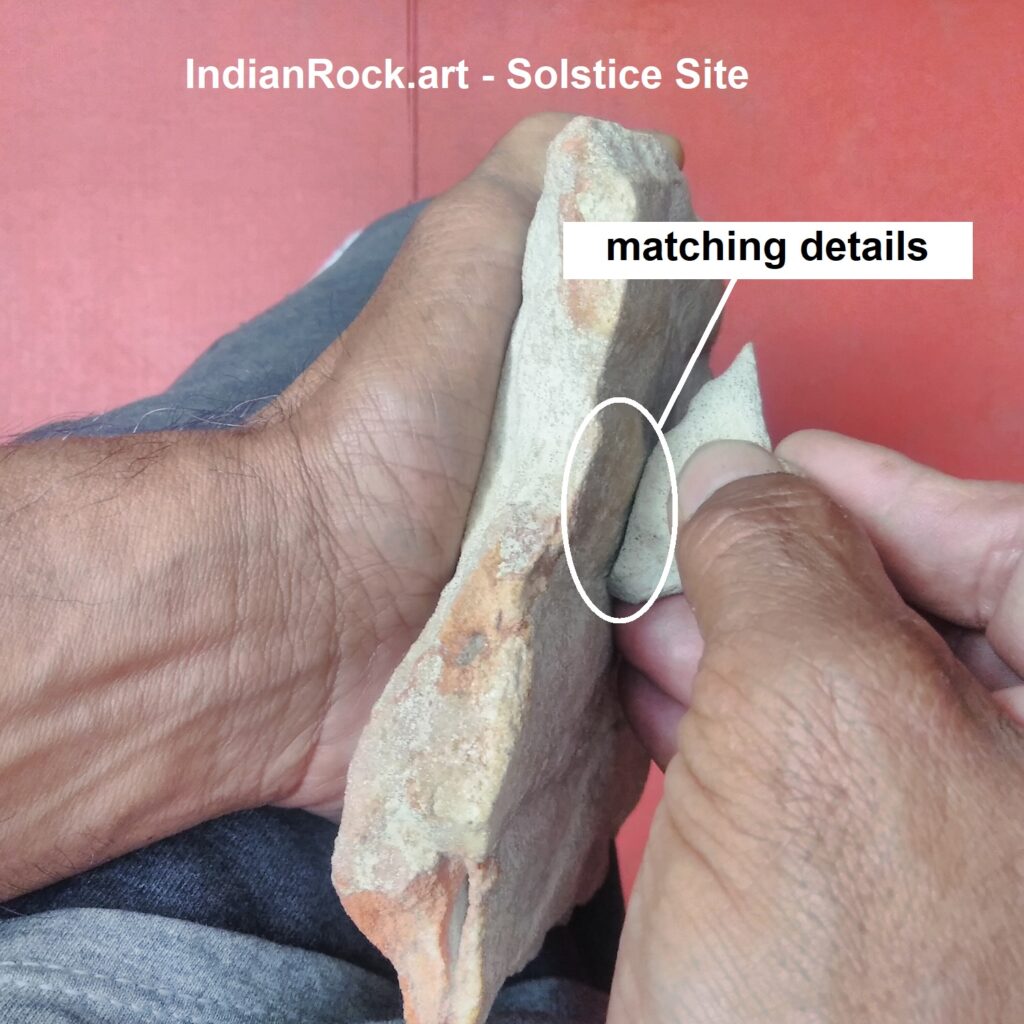
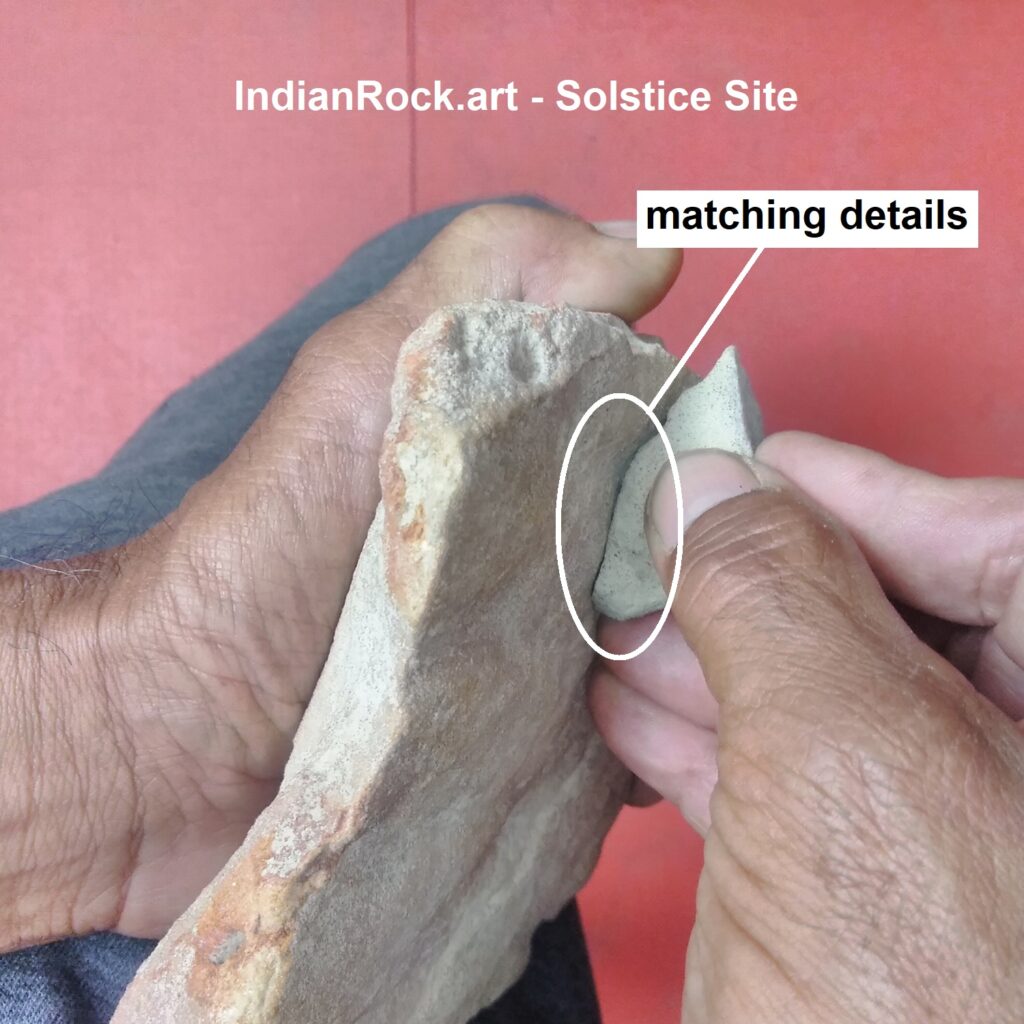
IndianRock.art Garden Site
Categories
Phase1 in review 11
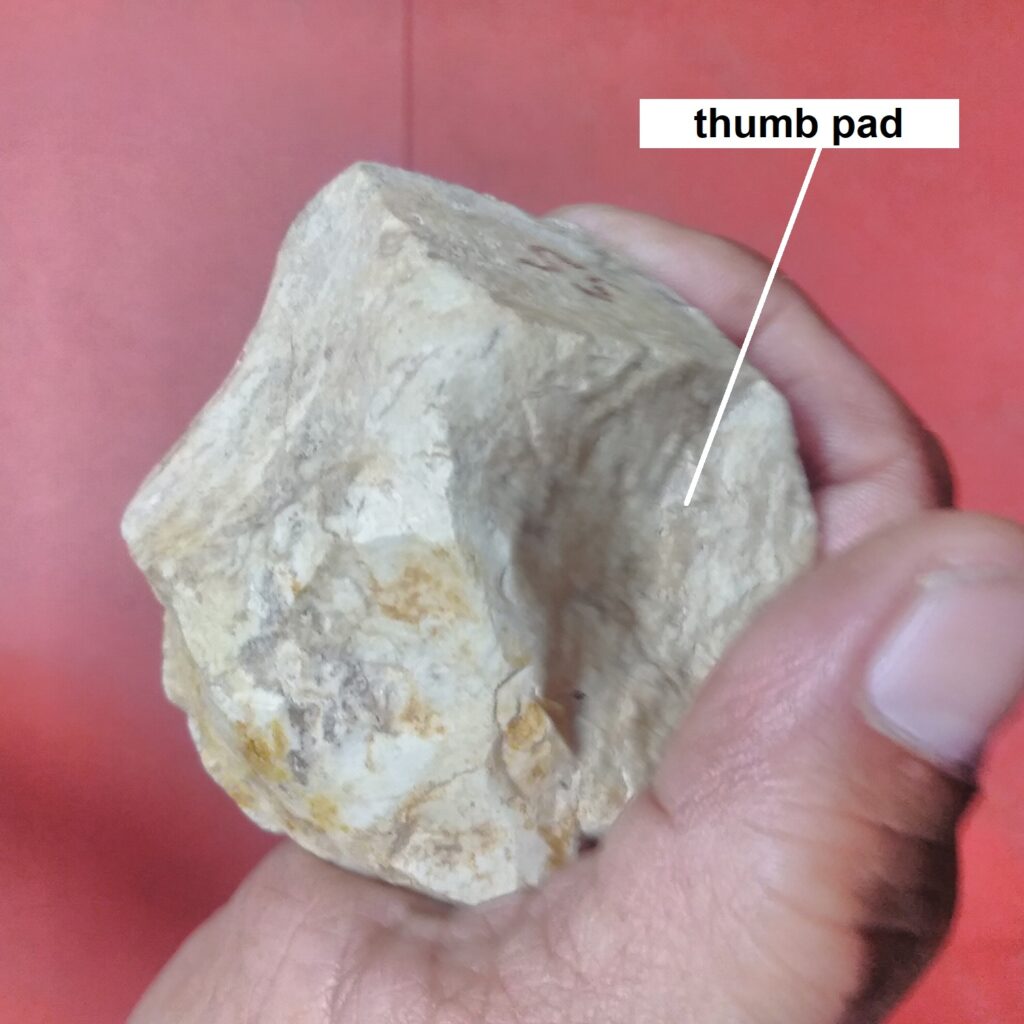
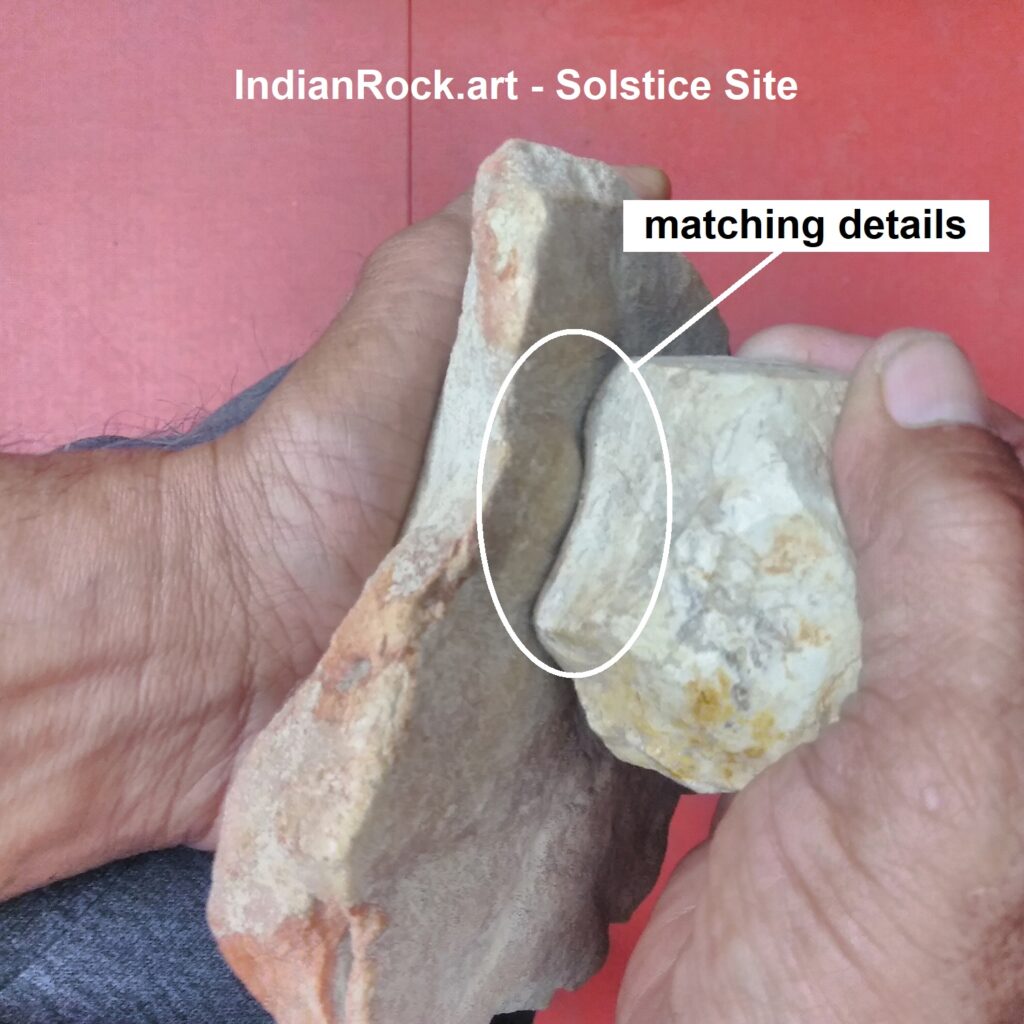
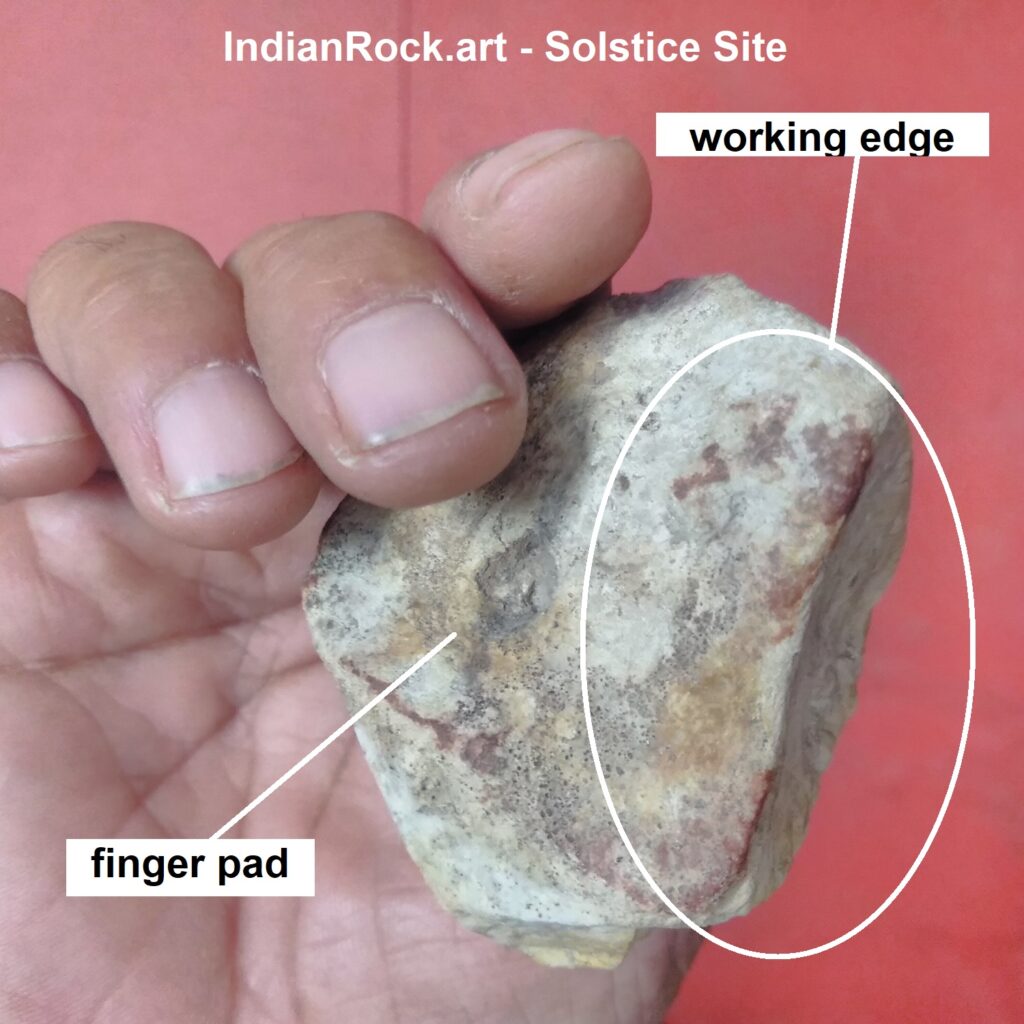
Here’s another example of a stone tablet and a tool, held and worked as it would have been in ancient times.
IndianRock.art – Garden Site
Categories
Phase1 in review 10
Naturally, an artisan, hard at work, will position their body in ways that reduce fatigue, without compromising power and control. This concept can be explained, mathematically, as a geometry equation, where the results are shown, tangibly, as residual markings on two separate stones: a carving and a tool.
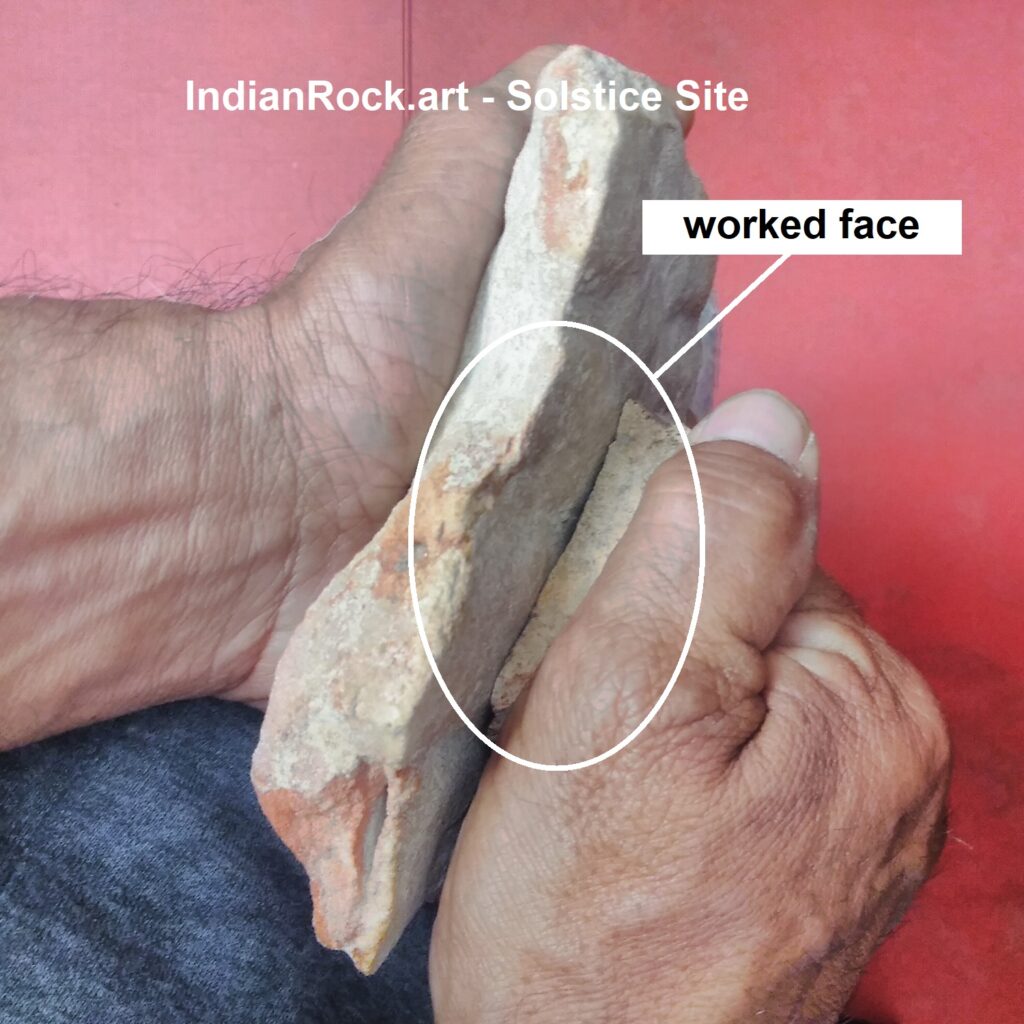
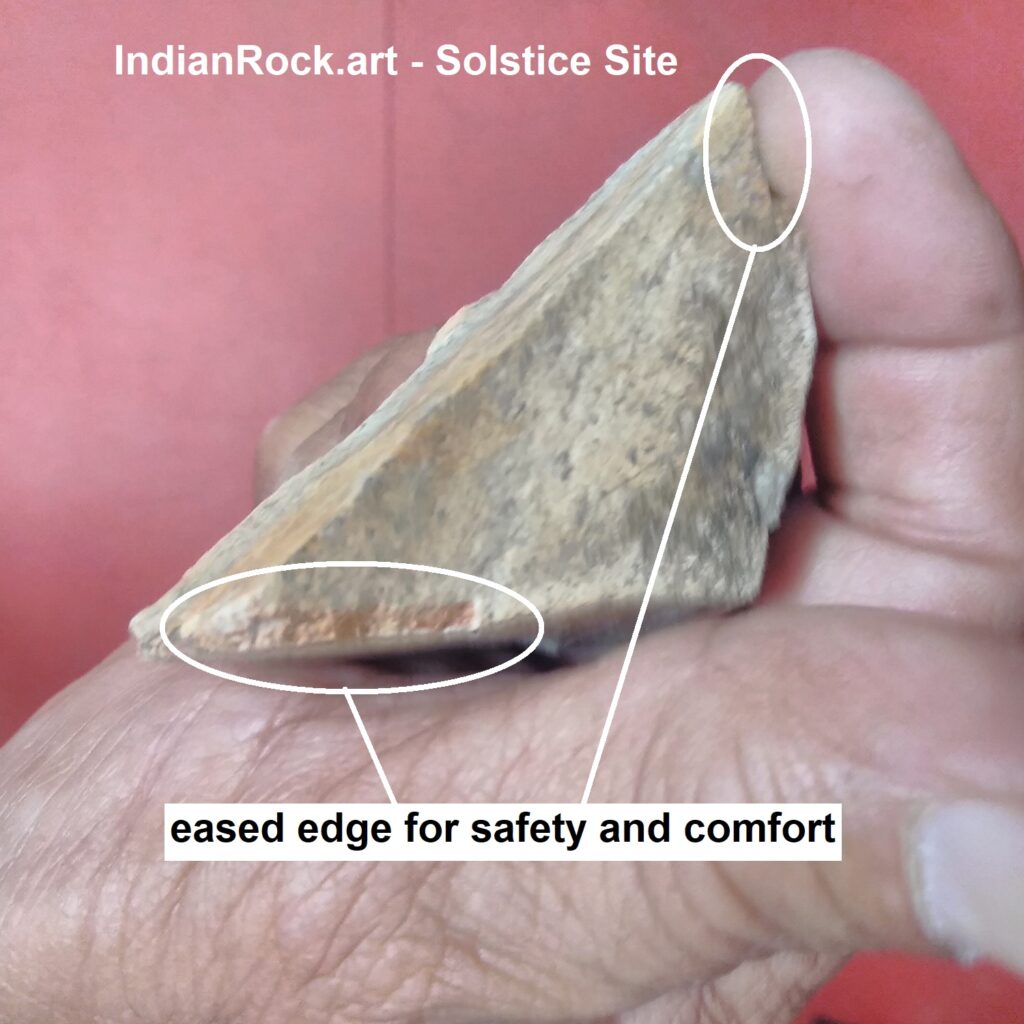
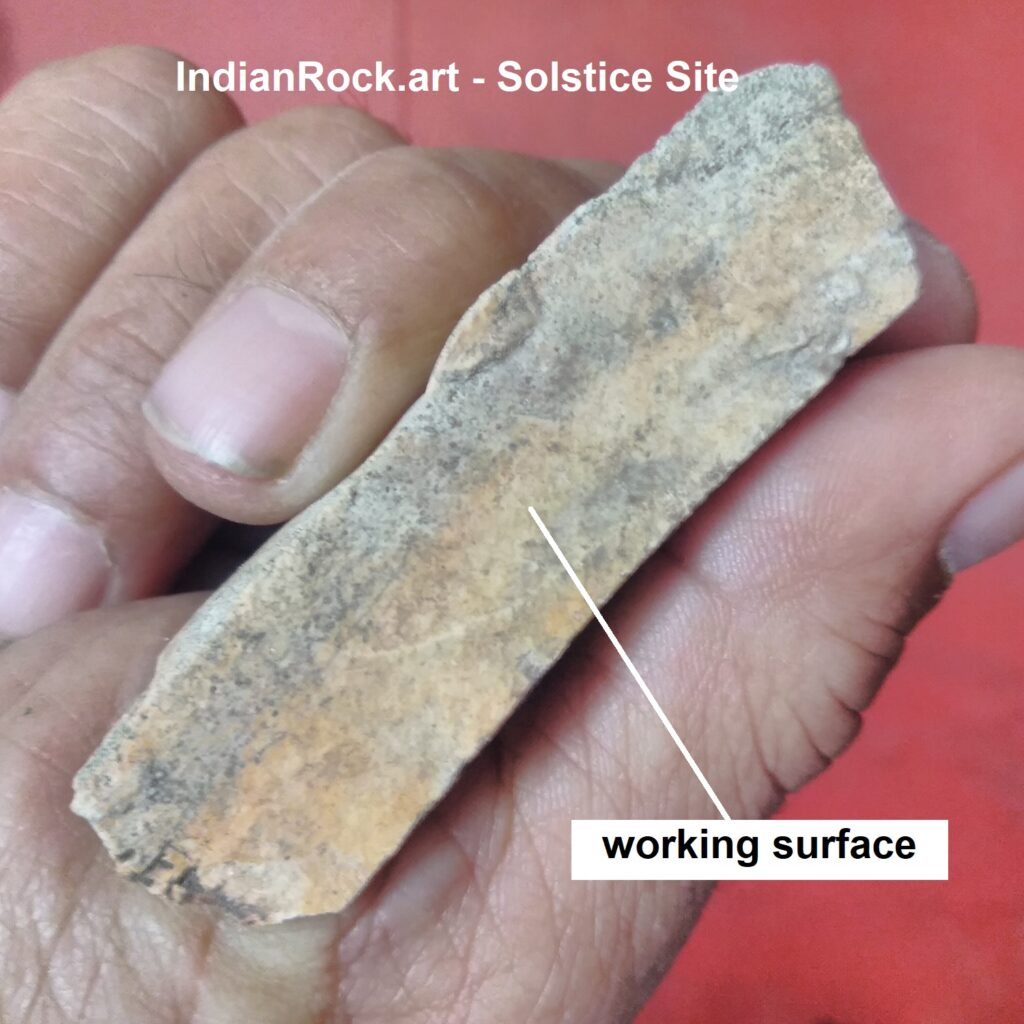
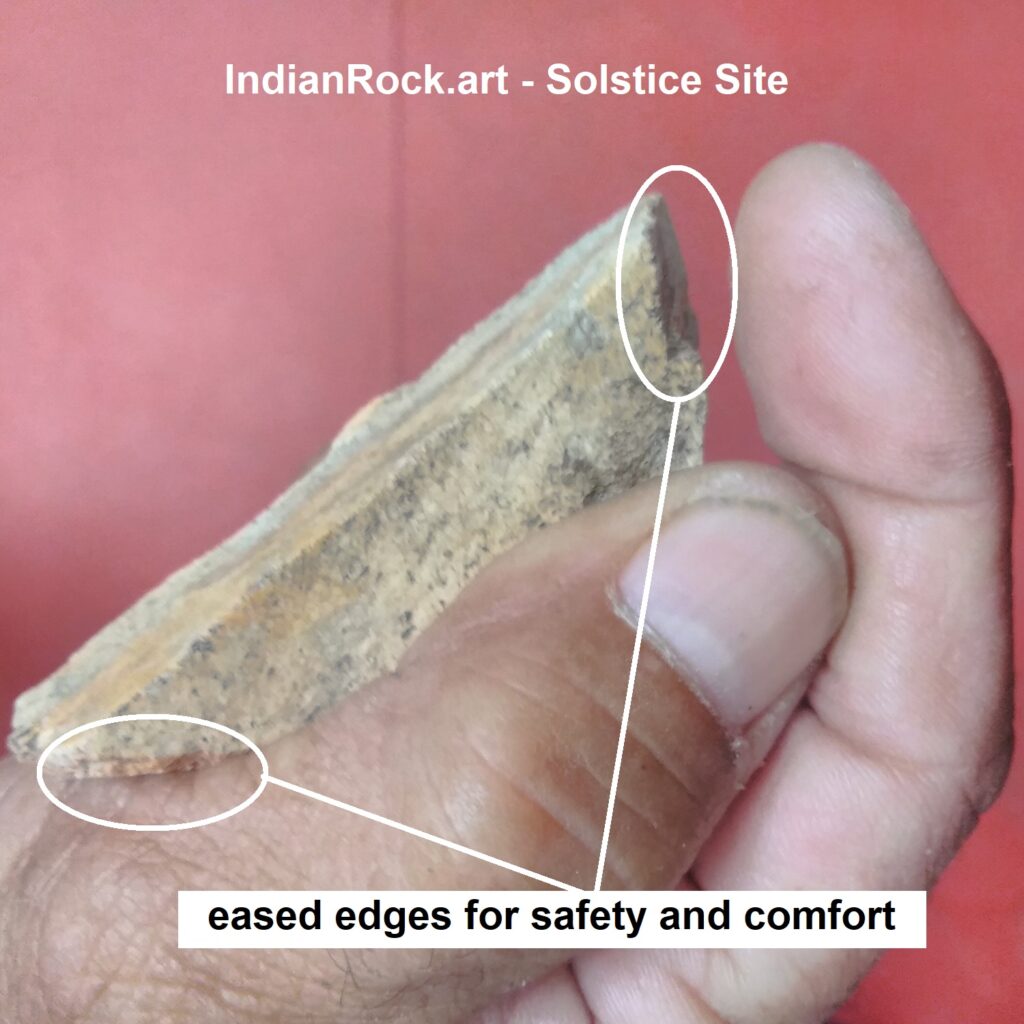
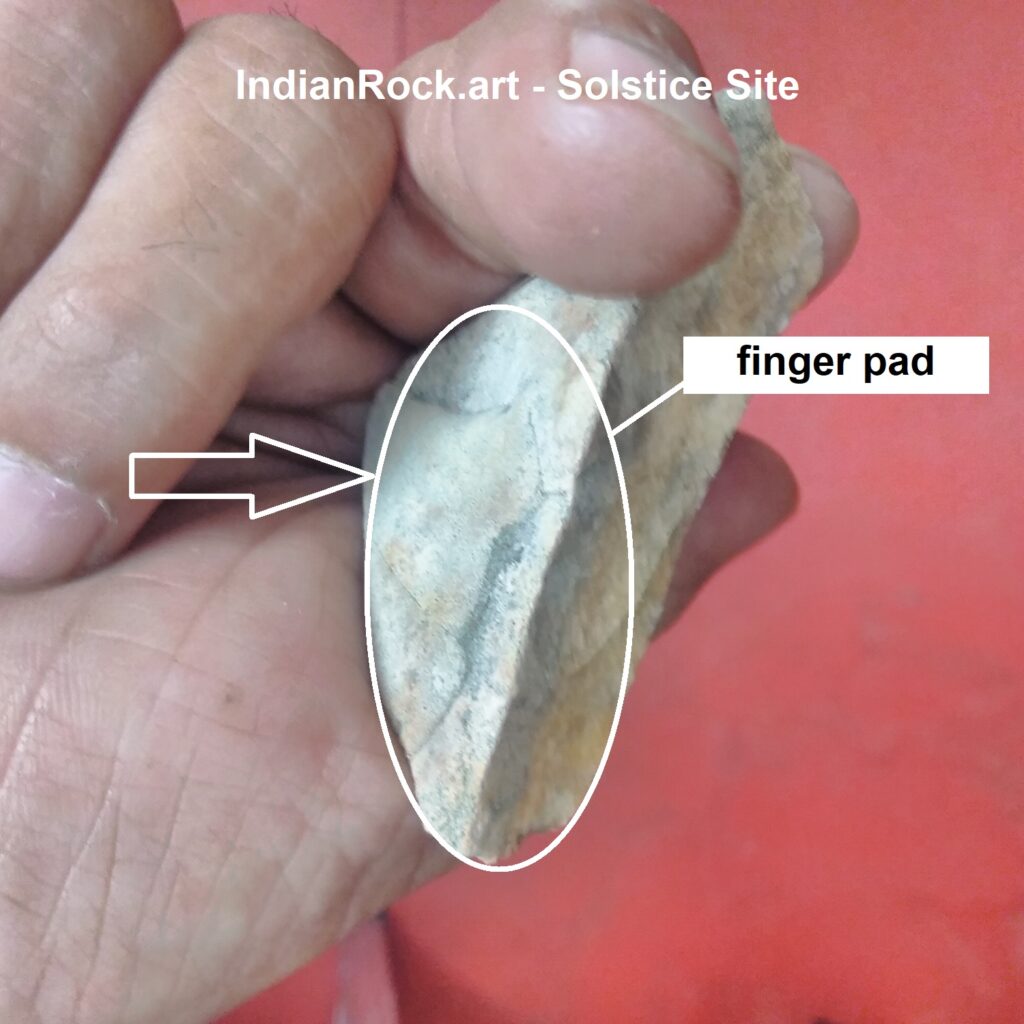
The truth is comprised of the evidence. It is what led us here. The redundancy cannot be overstated or overlooked.
IndianRock.art Garden Site
Categories
Phase1 in review 9
The Garden Site includes discoveries made from the Solstice Site, which I unearthed alongside the Garden Site. Look for the next few posts to focus on this site, because it dives deeper into the various stone tools that make up the Garden Site and IndianRock.art, generally speaking.
I am a finish carpenter of many years, but I also wrench on cars. Tools have always been in my hands, ever since swapping parts on my Tonka trucks. Here at IndianRock.art, I can easily imagine people from long ago requiring tools, at a time when all there was, were stones. In this world, the mind of an architect, engineer, or artisan would get pretty darn creative, when carving out tools from stone. …in my opinion.
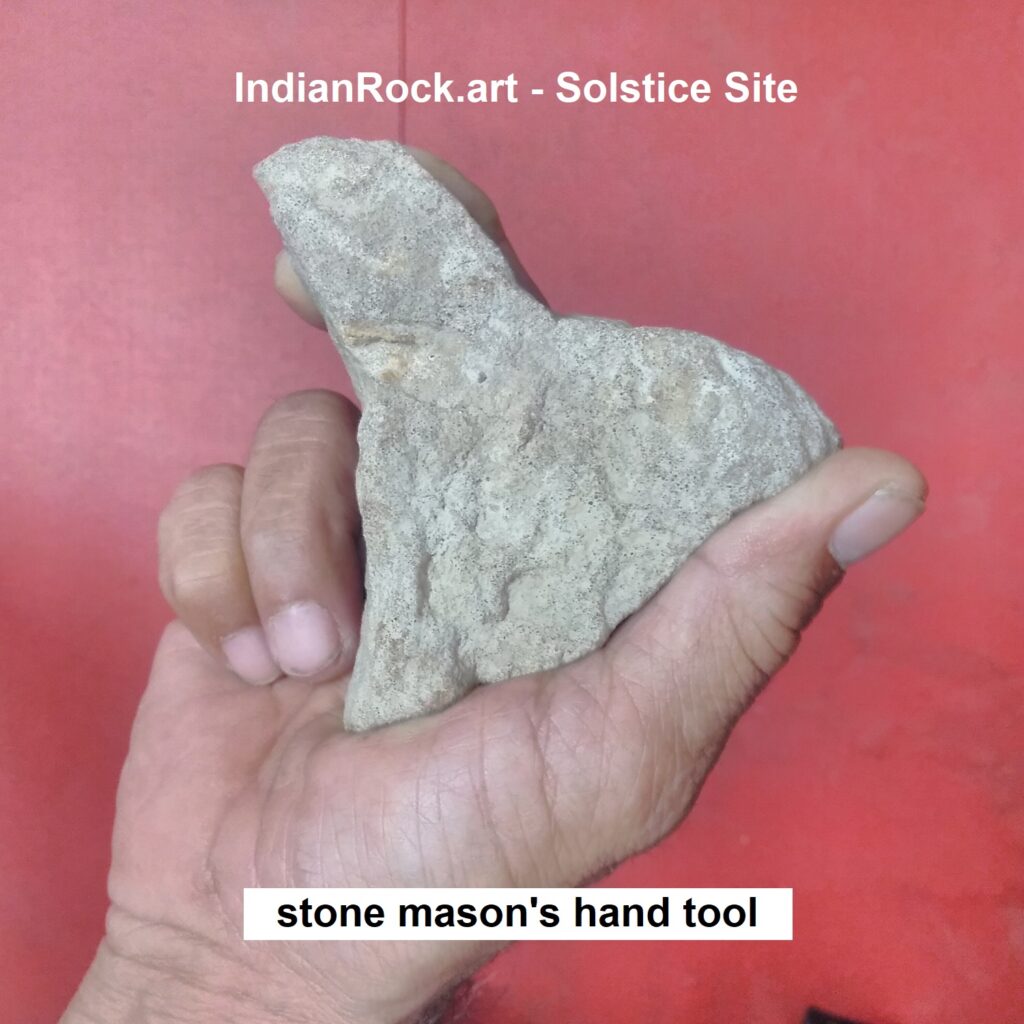
Power, control, and ergonomics: that’s the name of the game, when it comes to using hand tools. When it doesn’t feel like work: It isn’t. But, when it does feel like work, it’s because of a faulty tool or improper design.
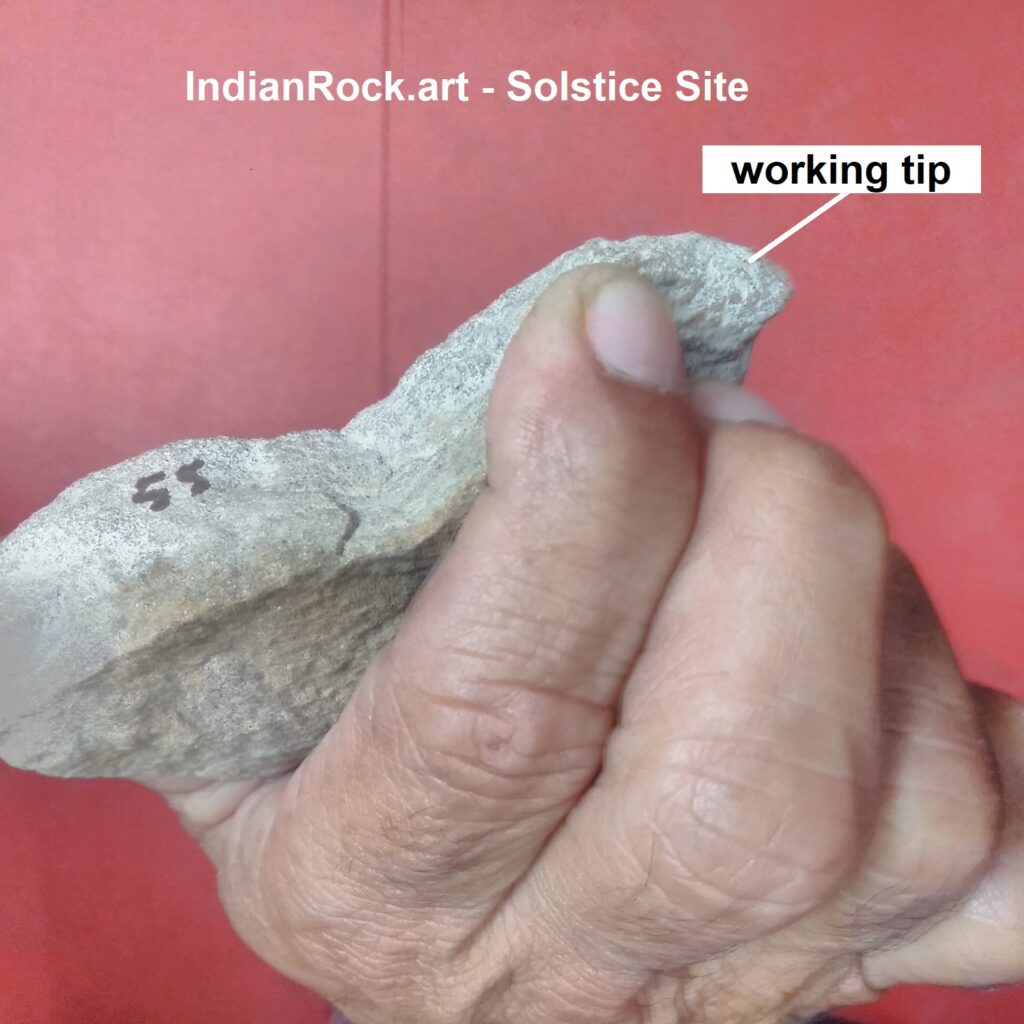
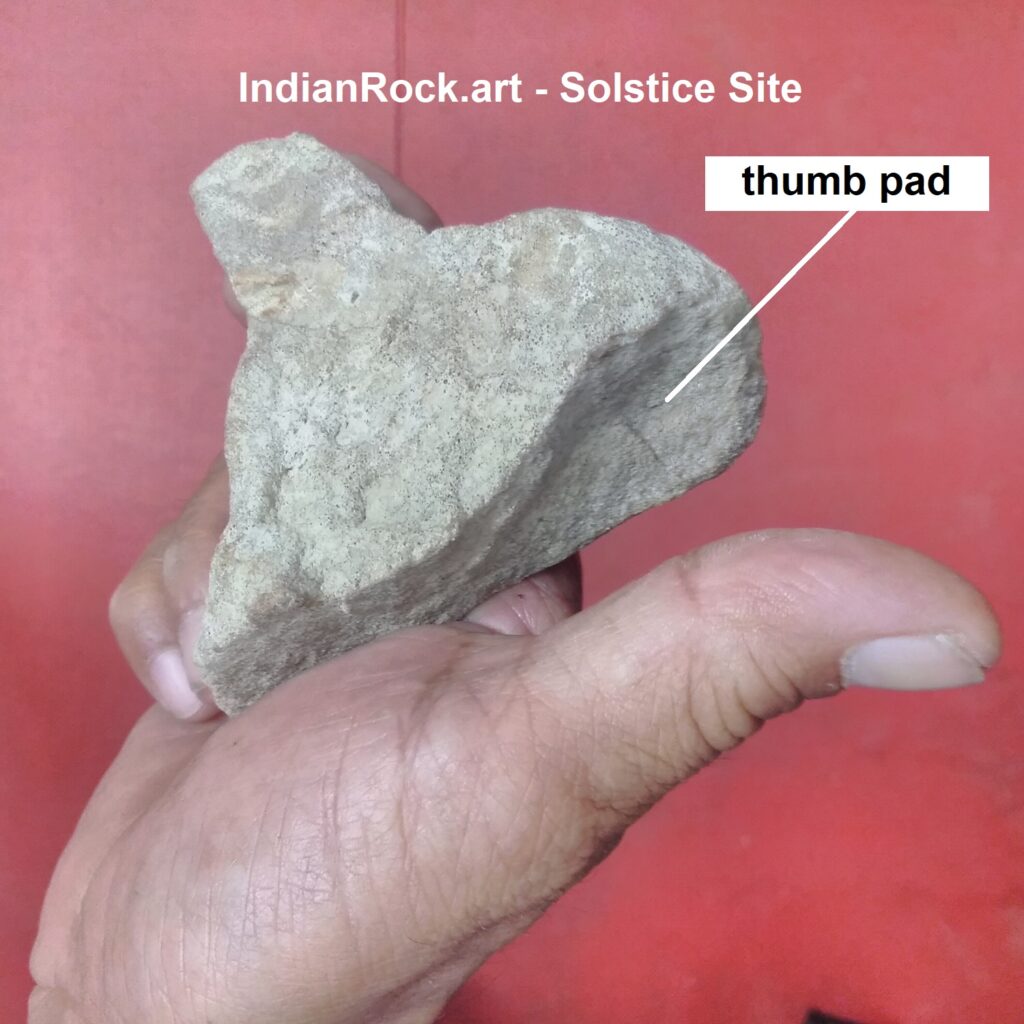
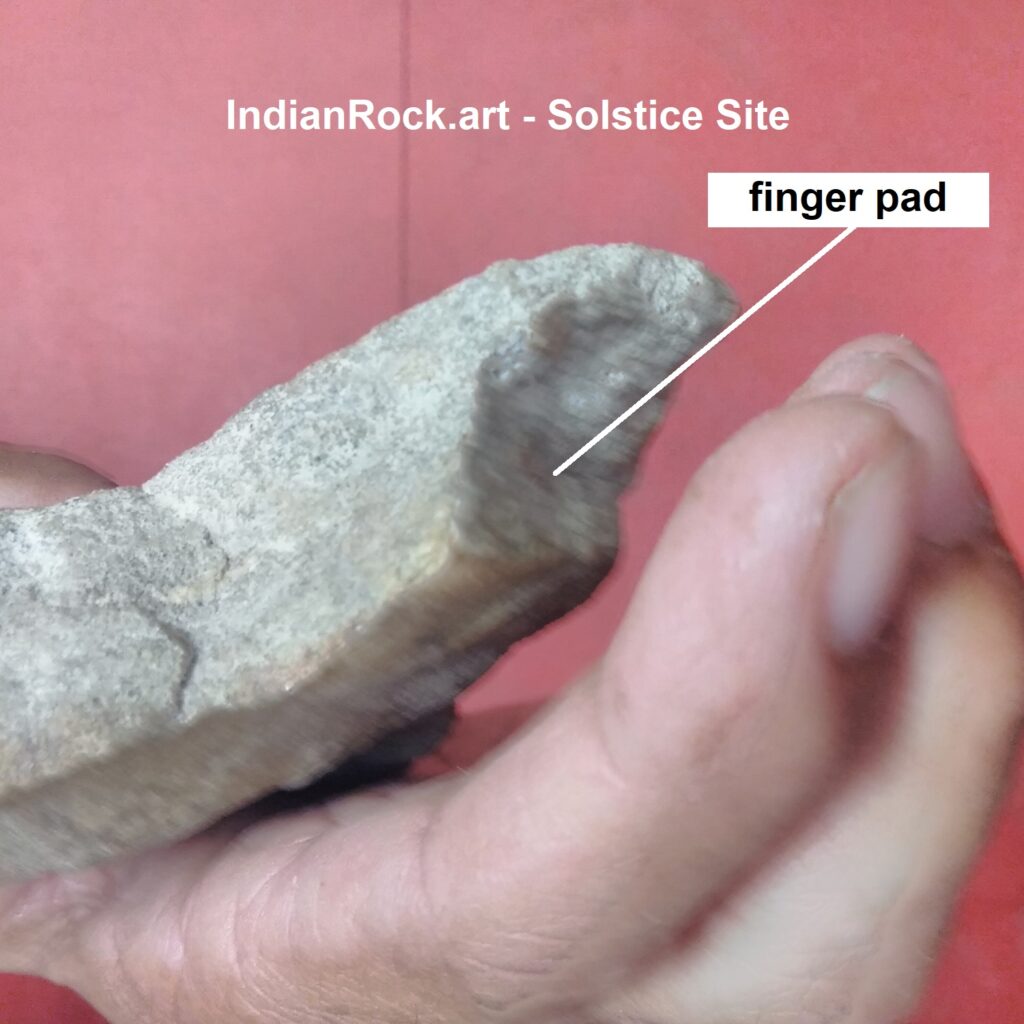
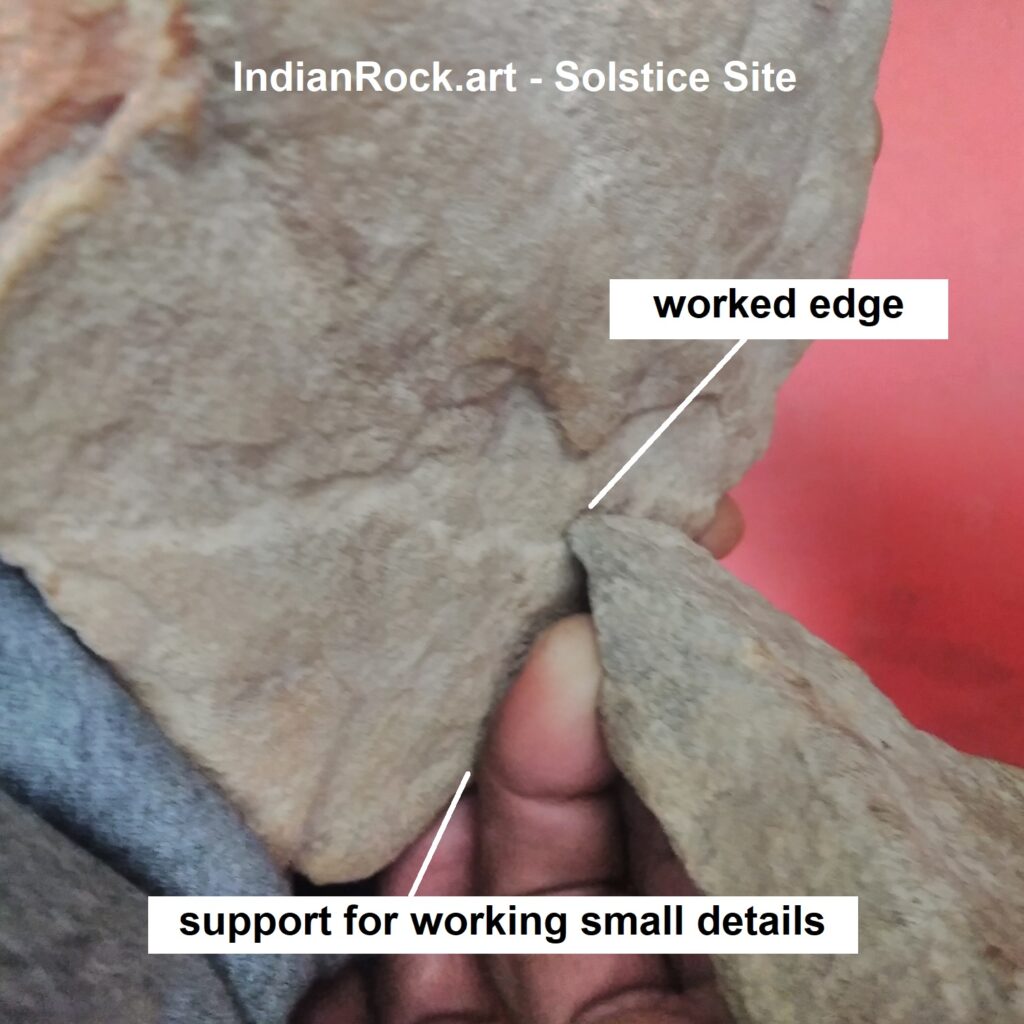
IndianRock.art – Garden Site
Categories
Phase1 in review 8
The 2digit finger tool
When I’m playing carpenter and looking to route an edge, I open my box of bits then compare the various cutter shapes.
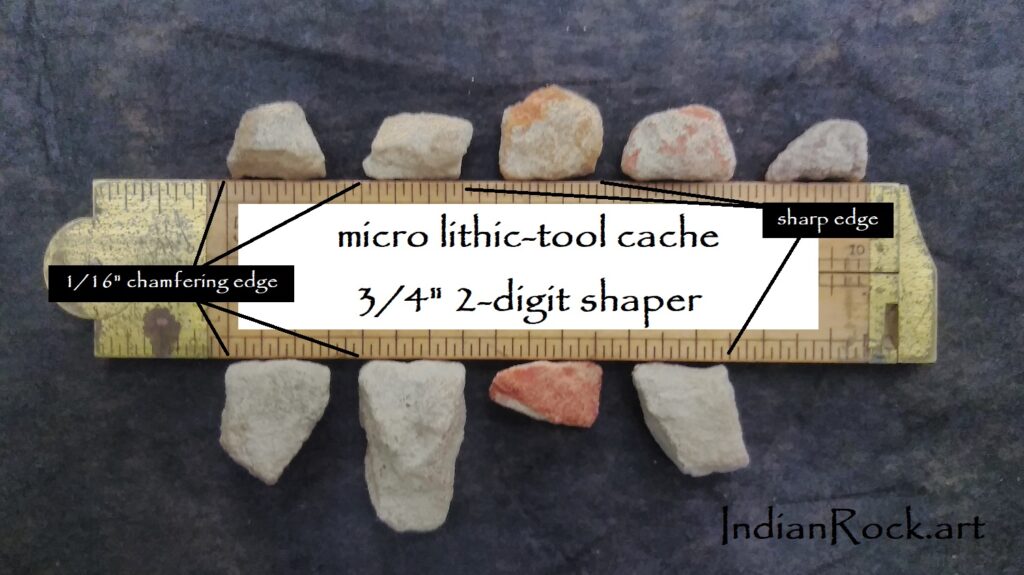
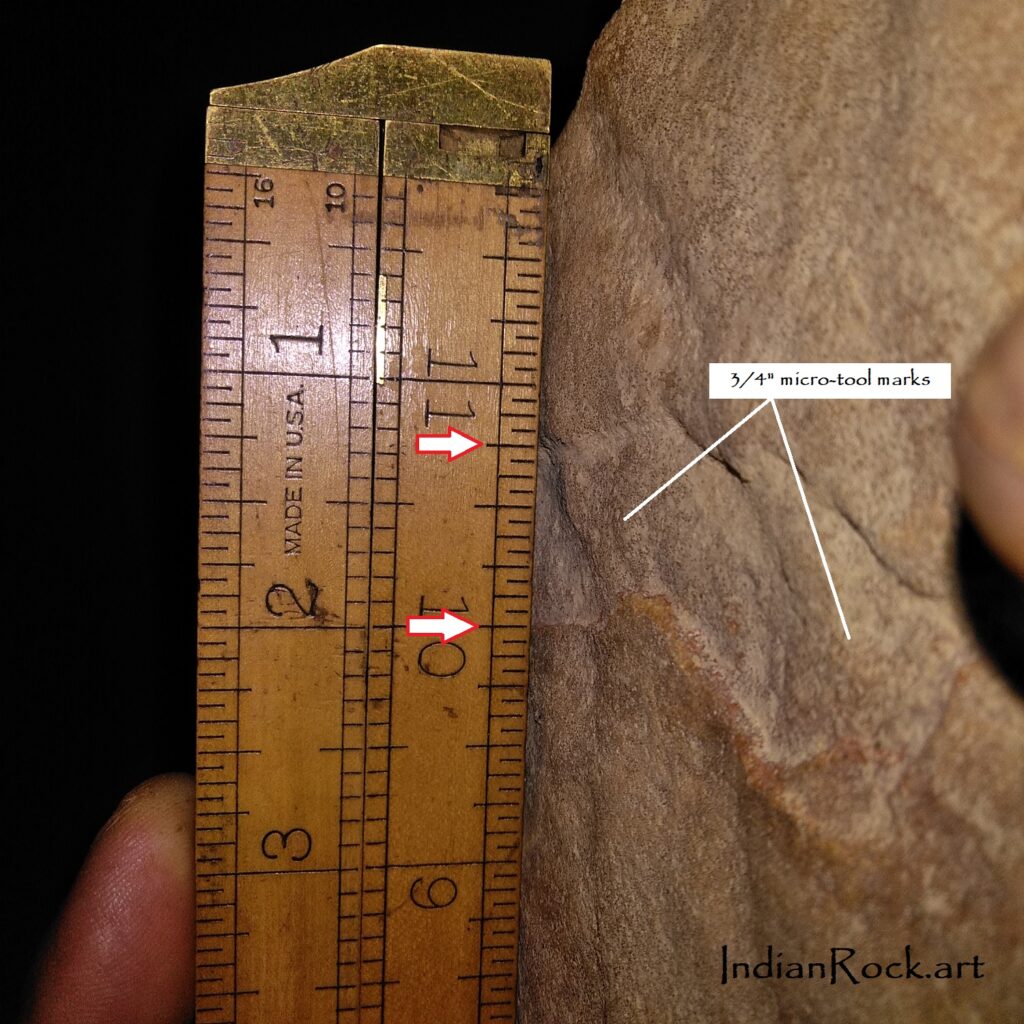
Pinched between the thumb and finger, a 2digit stone tool is used on a smaller scale, creating finer and more distinct details.
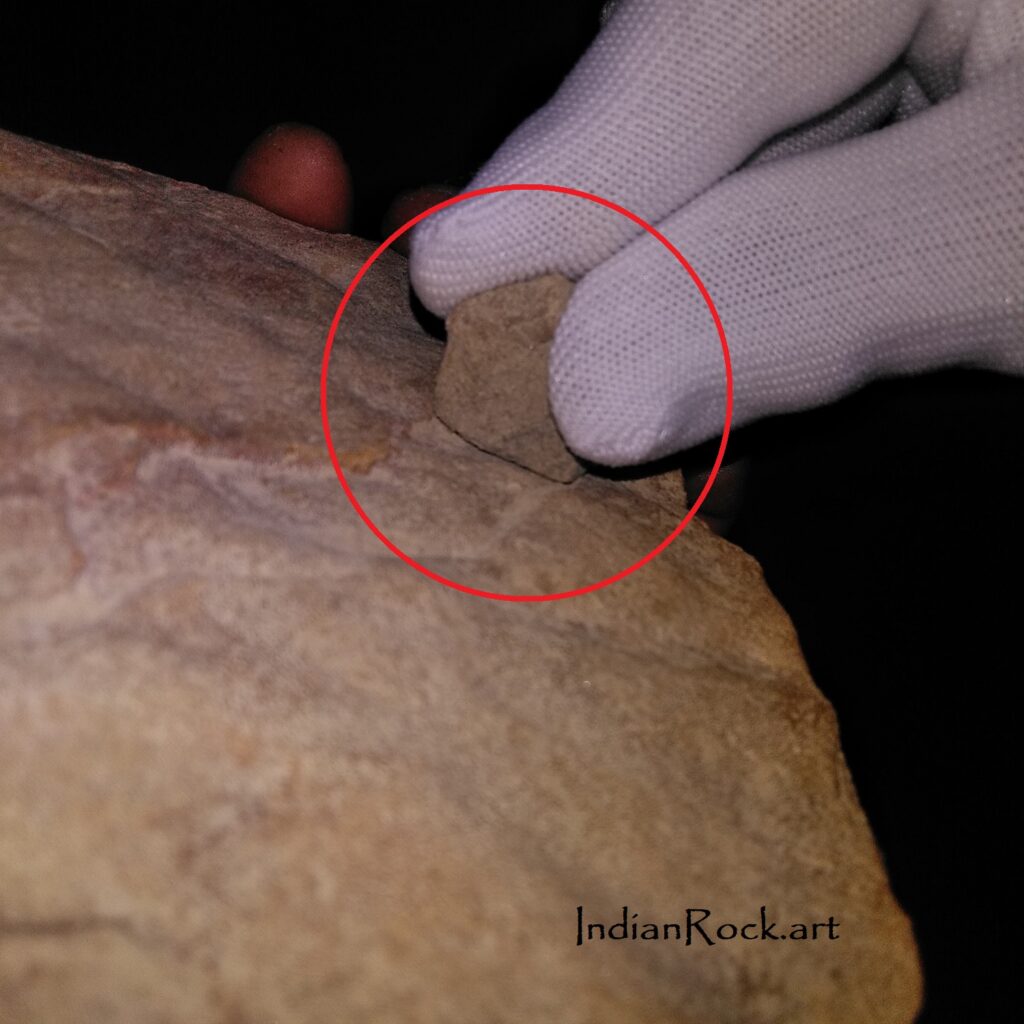
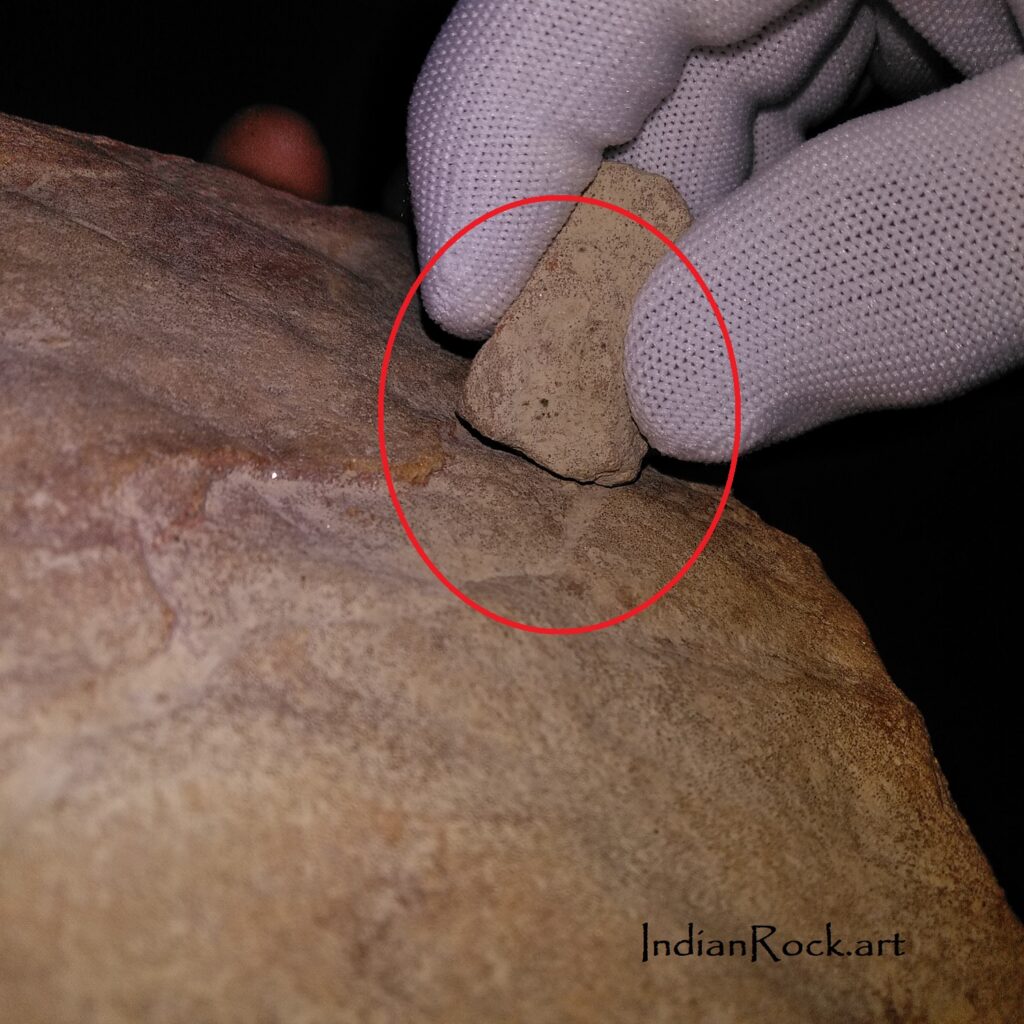
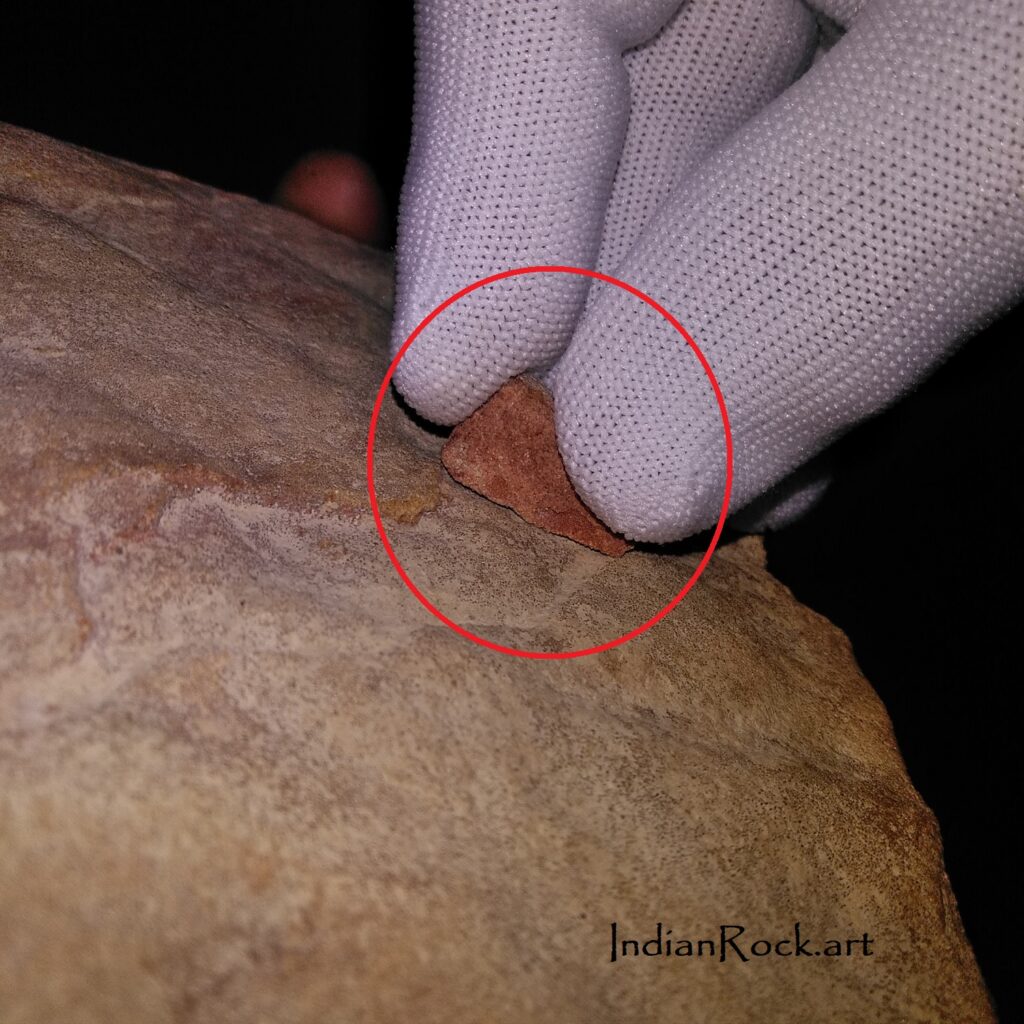
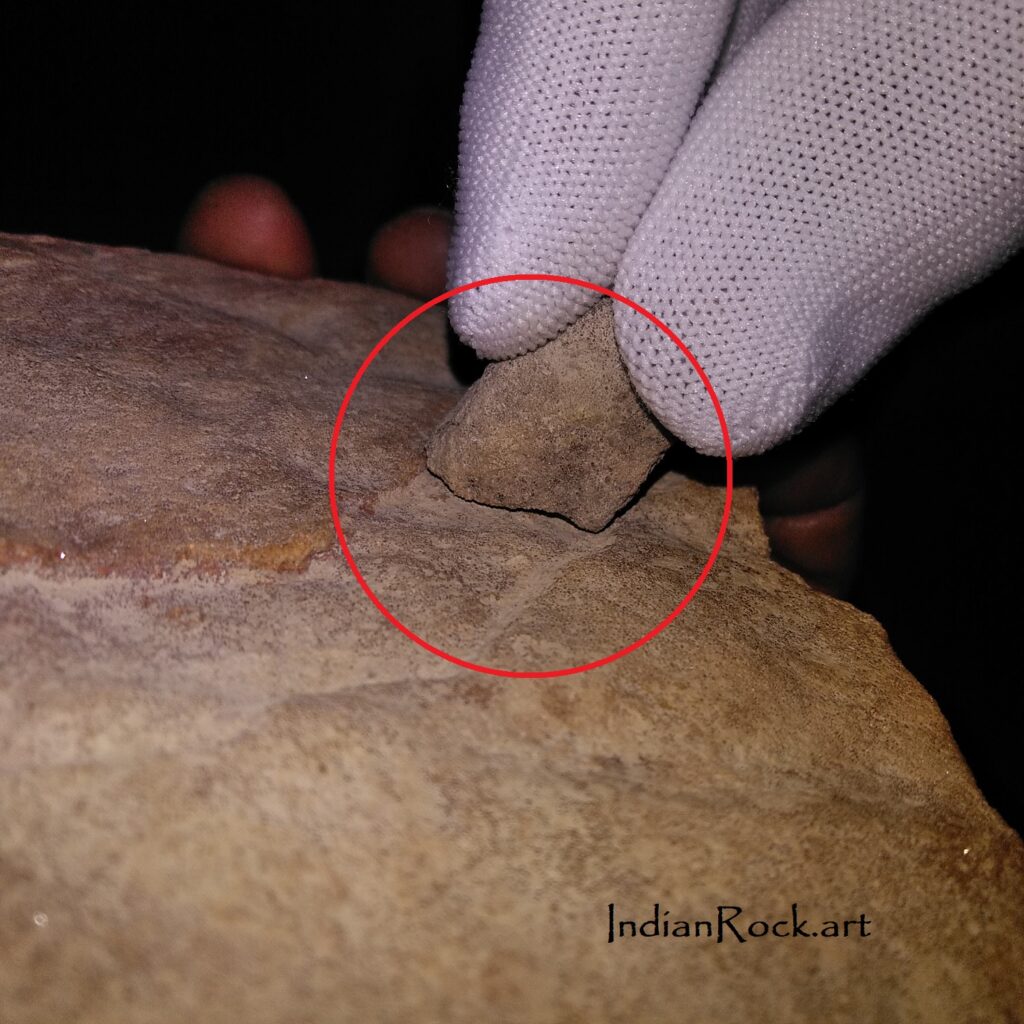
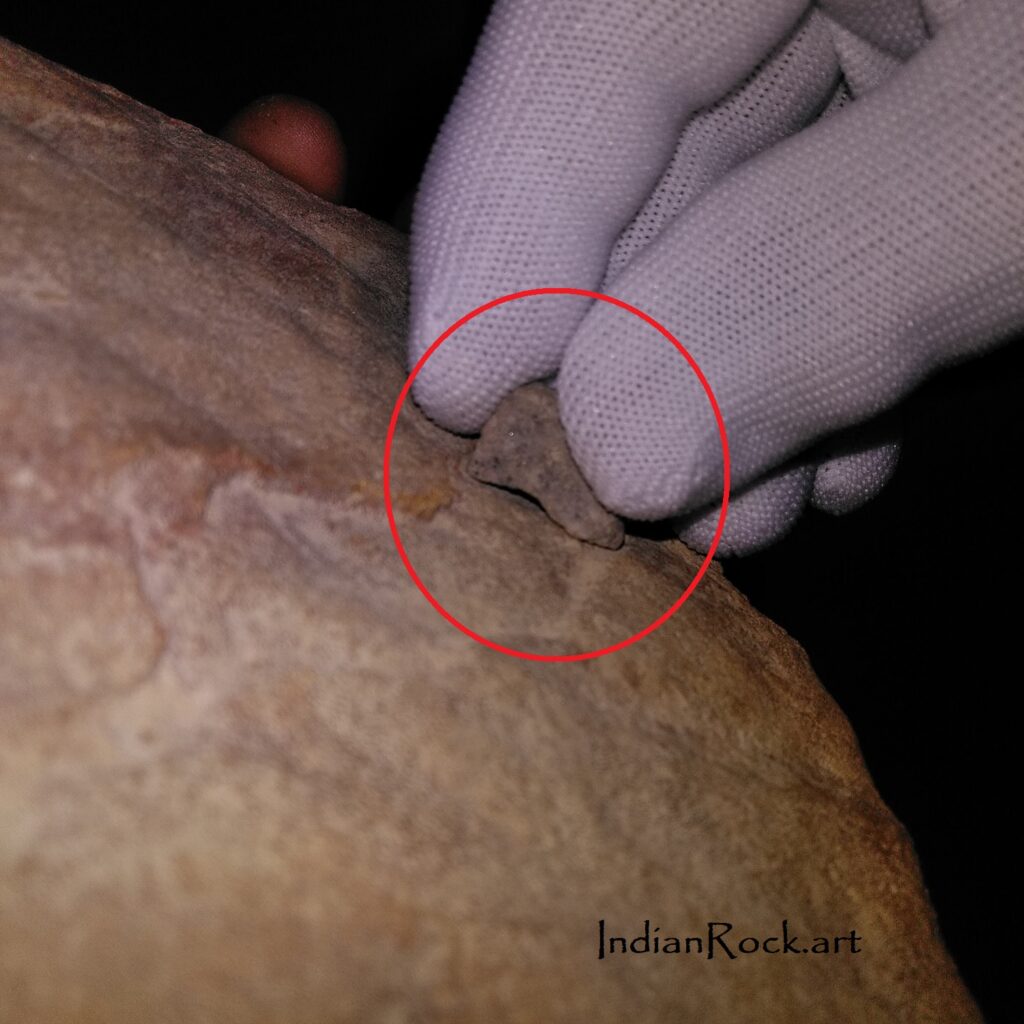
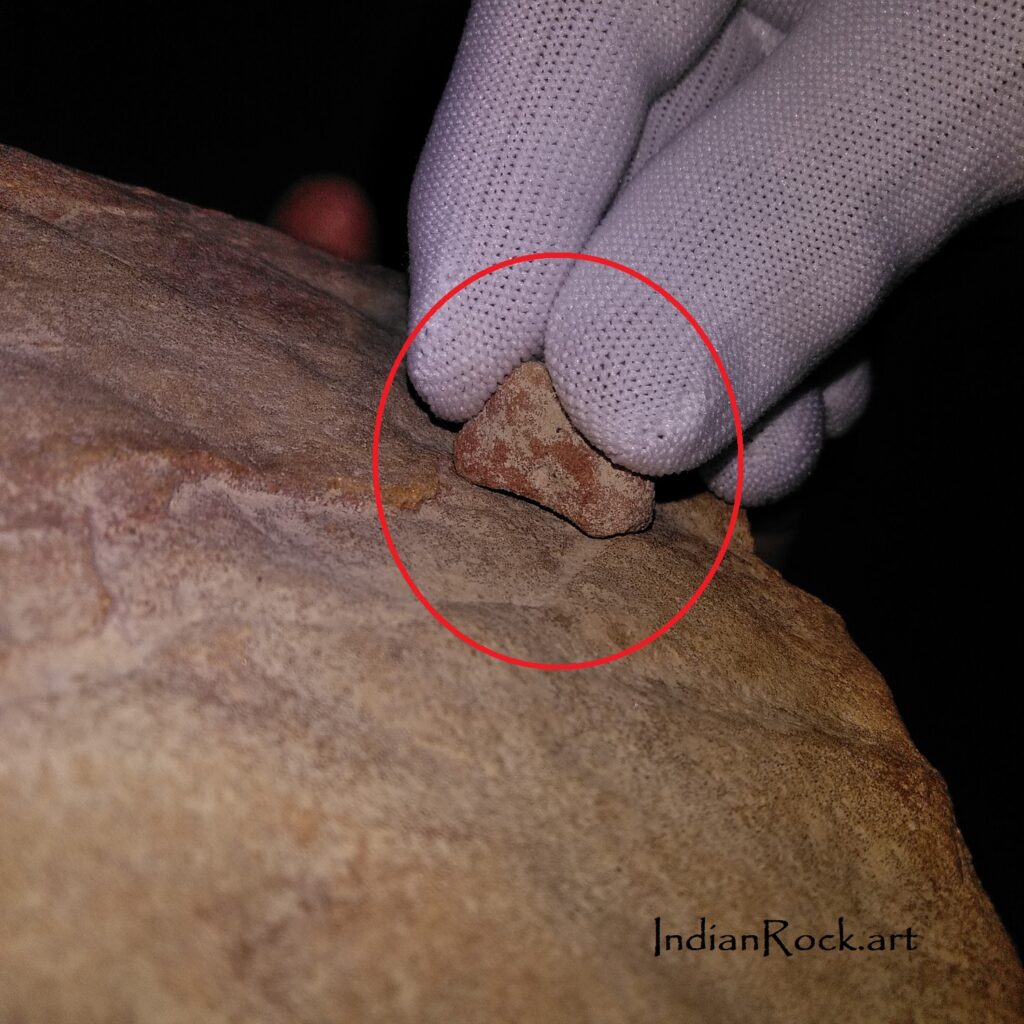
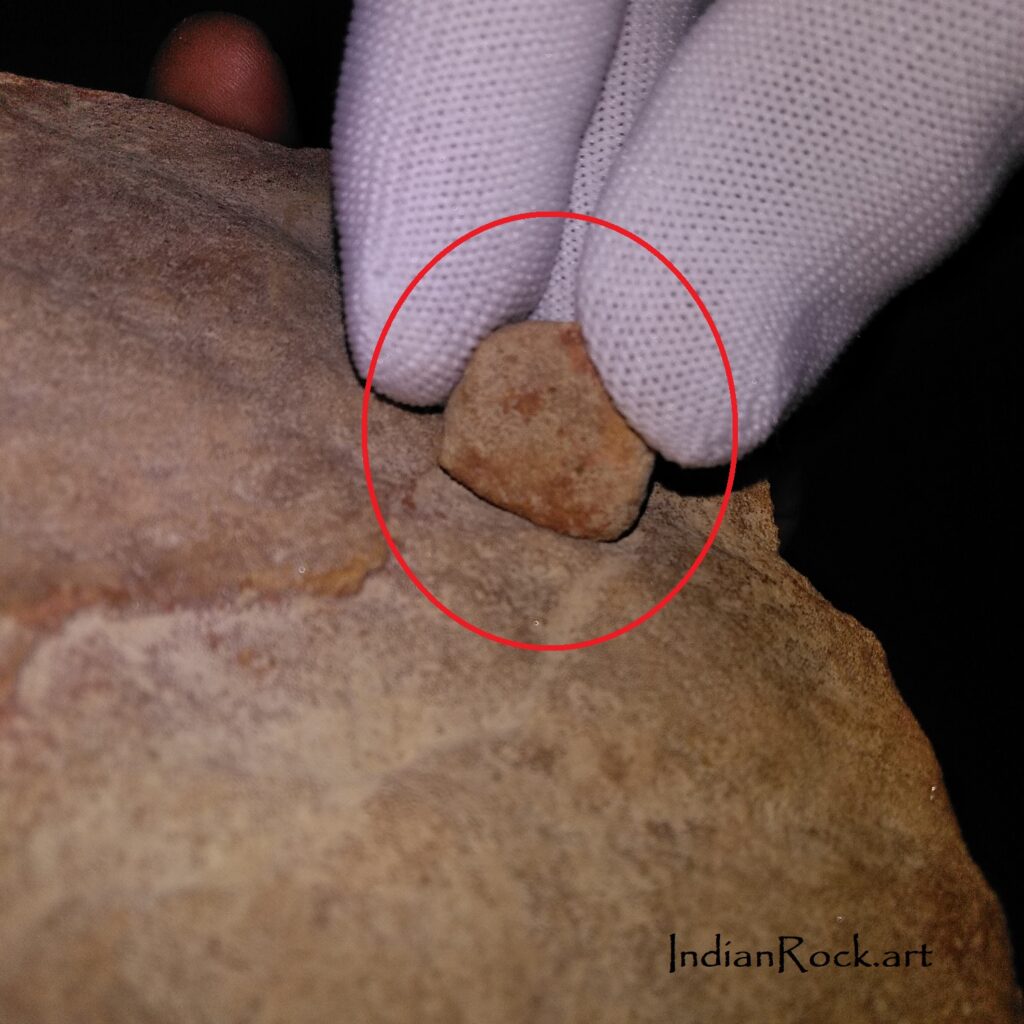
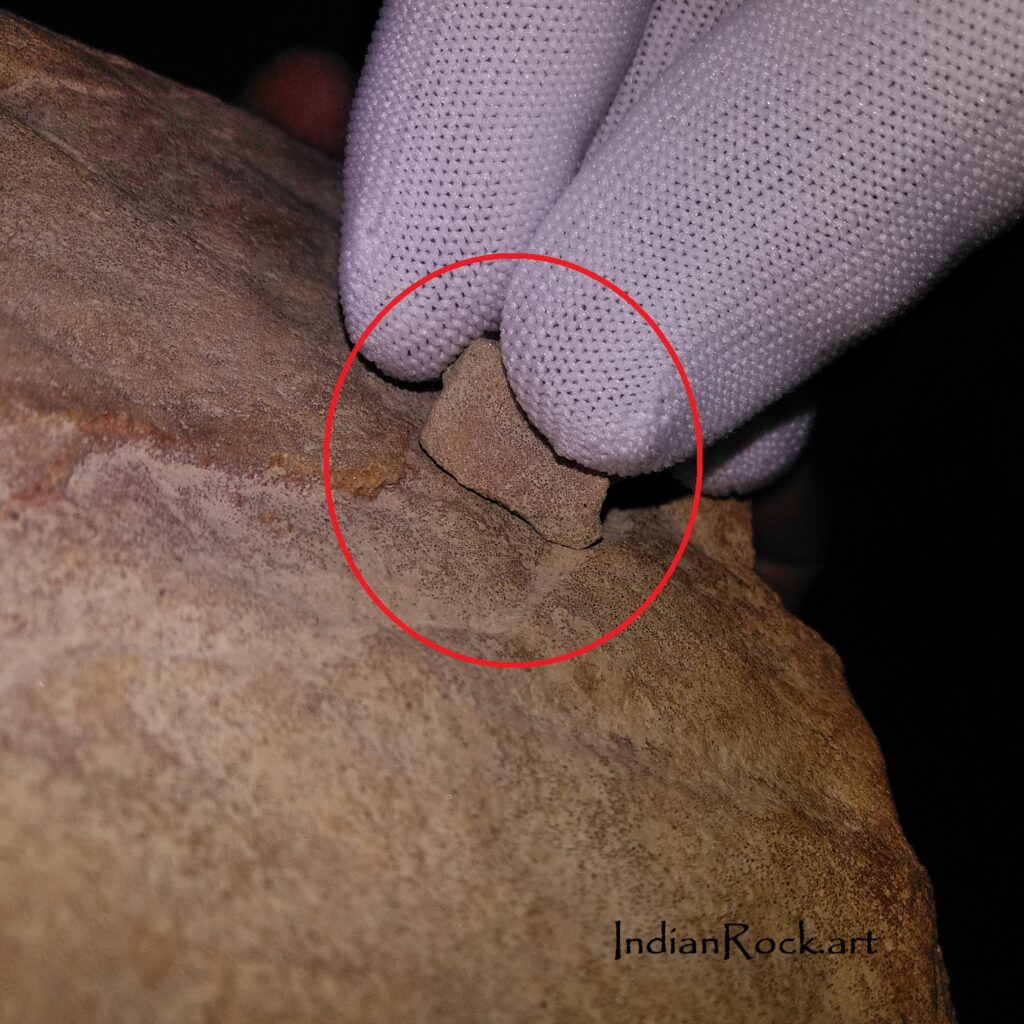
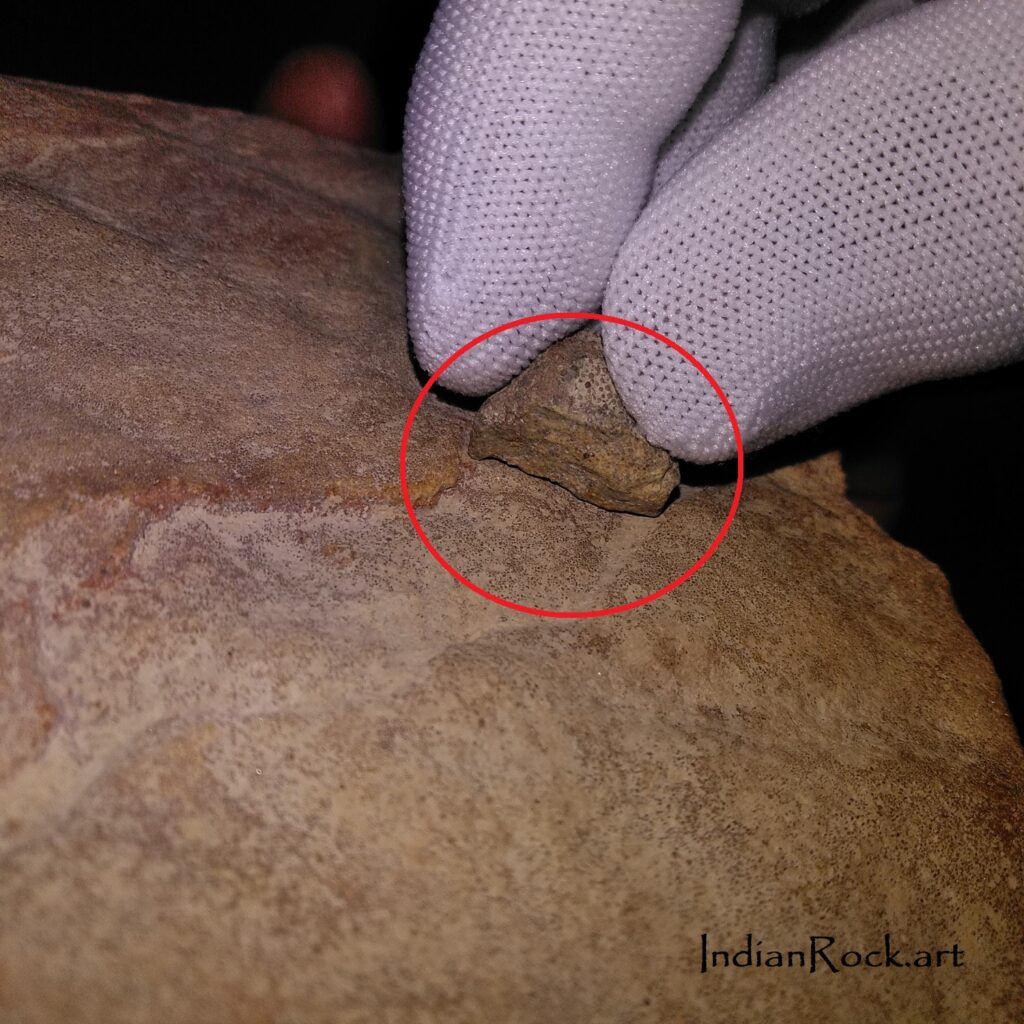
Here’s an example of a 2digit tool with, what appears to be, a bear cub and human profile carved into it.

Again, I have to repeat: The Lord guides my hands. I find the stones, and they find their place. It all comes so naturally.
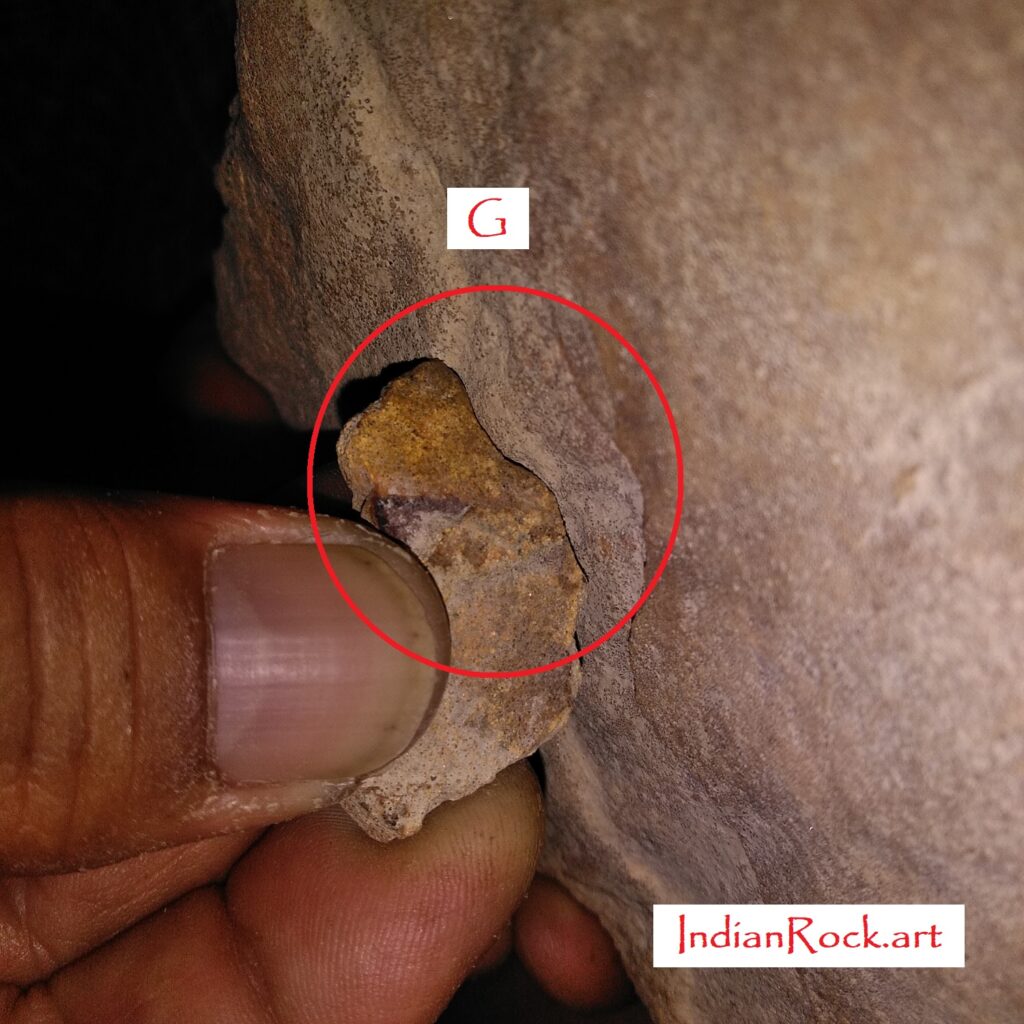

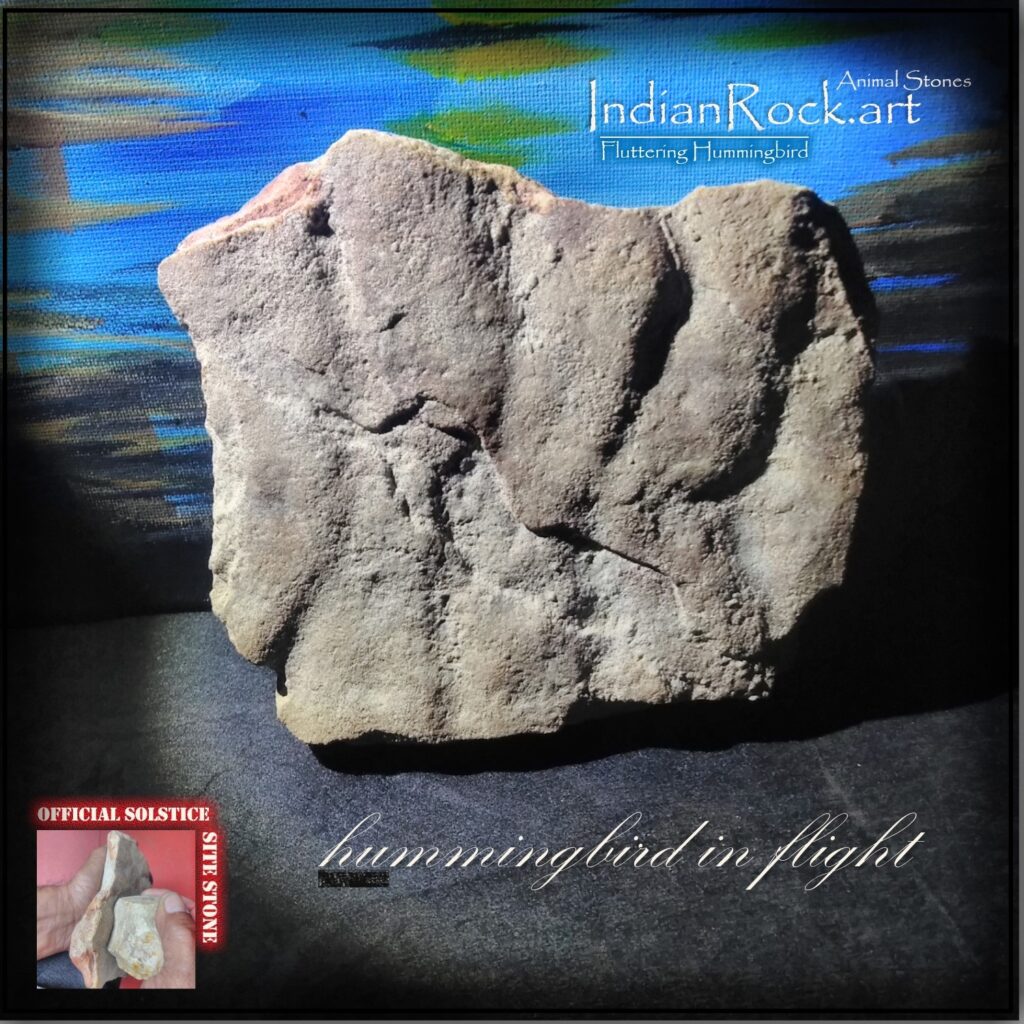
The final product: undeniably, a hummingbird in flight
Categories
Phase1 in review 7
Surface Shaping Tools
Shaping is done by applying friction onto a given surface, by way of grinding, scraping, sanding, and polishing. During this process, not only is the carved stone being worked: the tools, themselves, will be ground down and will begin to share the same shape with the stone being worked on. In other words, the tool becomes a negative image of the carved area: a square peg in a square hole.
After aligning the edges and angles of the stones to a specific worked surface, one can reverse engineer the process that led to the tools’ final shapes. This includes being able to place the stones in the order in which they were used.
The series of images shown below are examples of left-handed tools and the area where they were used. As a note: I’m holding them with my right hand in order to get a clear shot of the worked area.
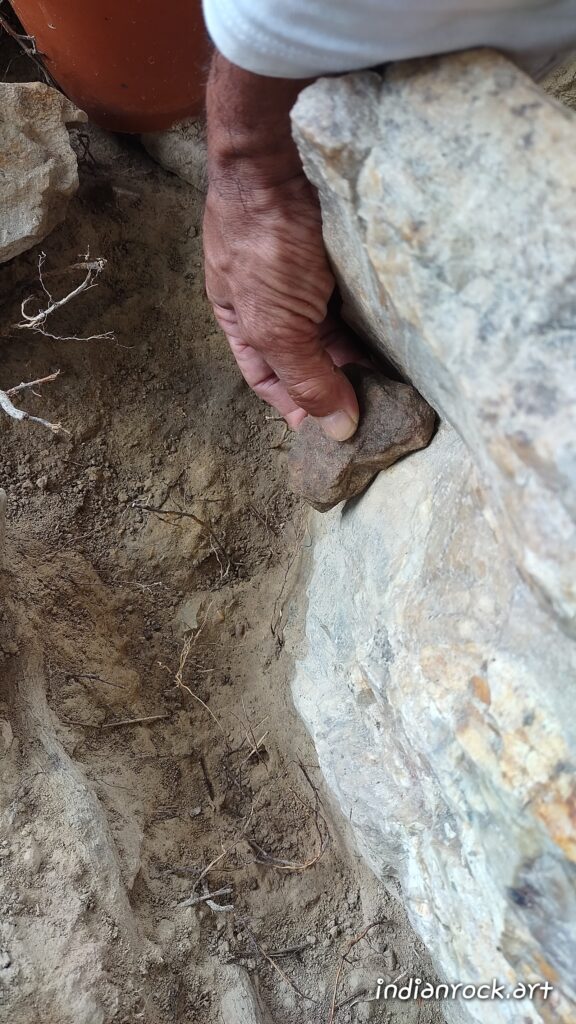
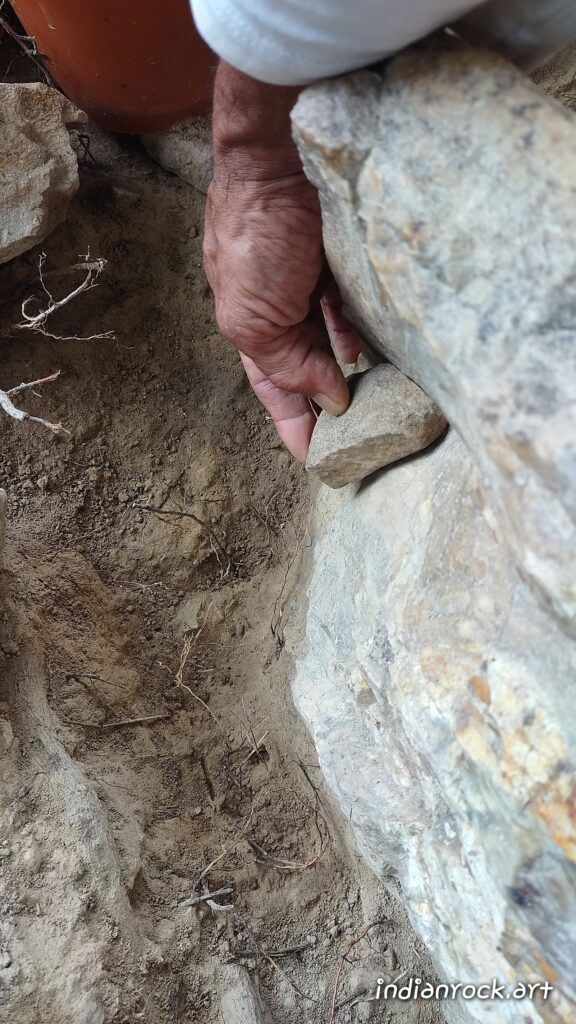
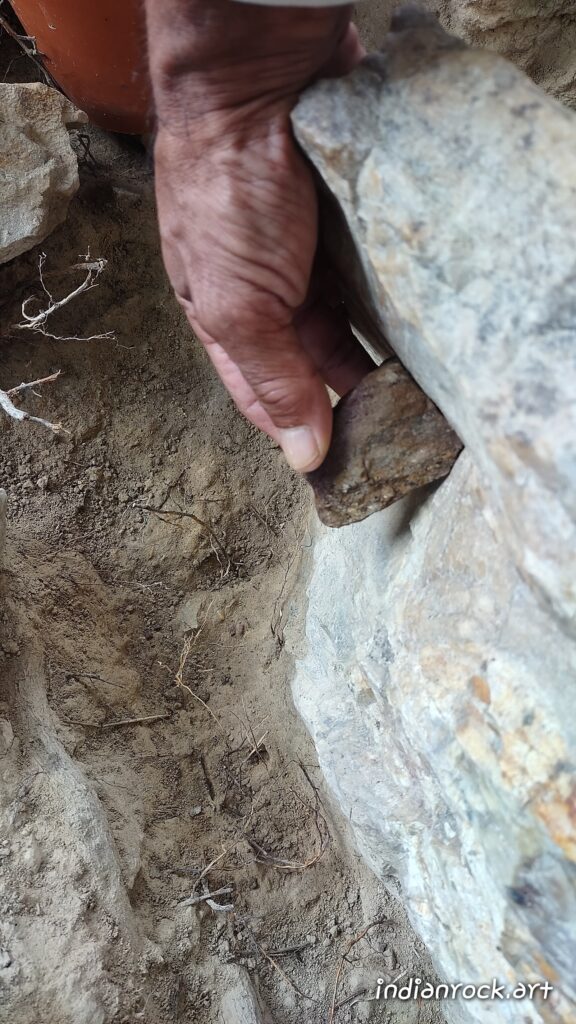
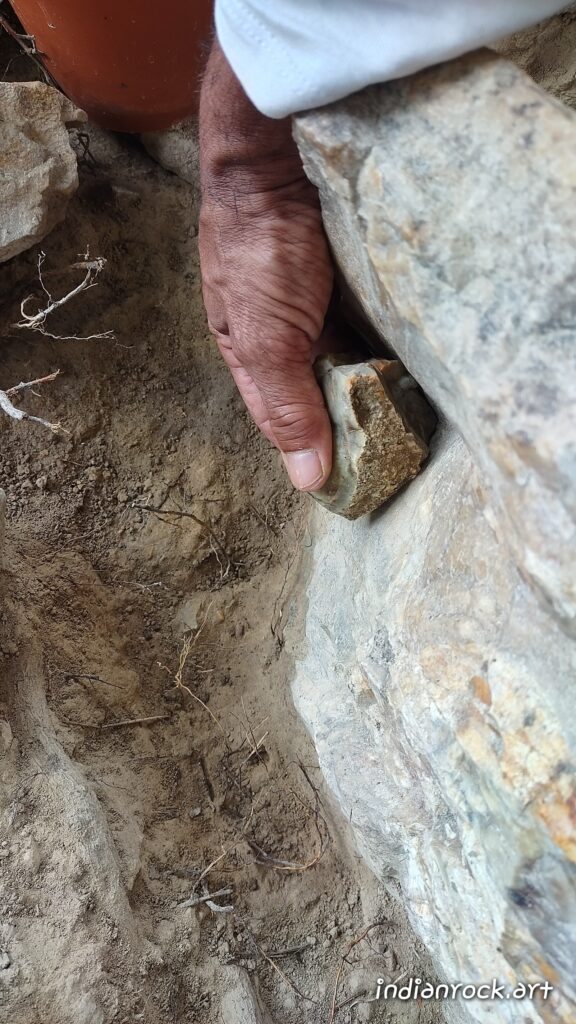
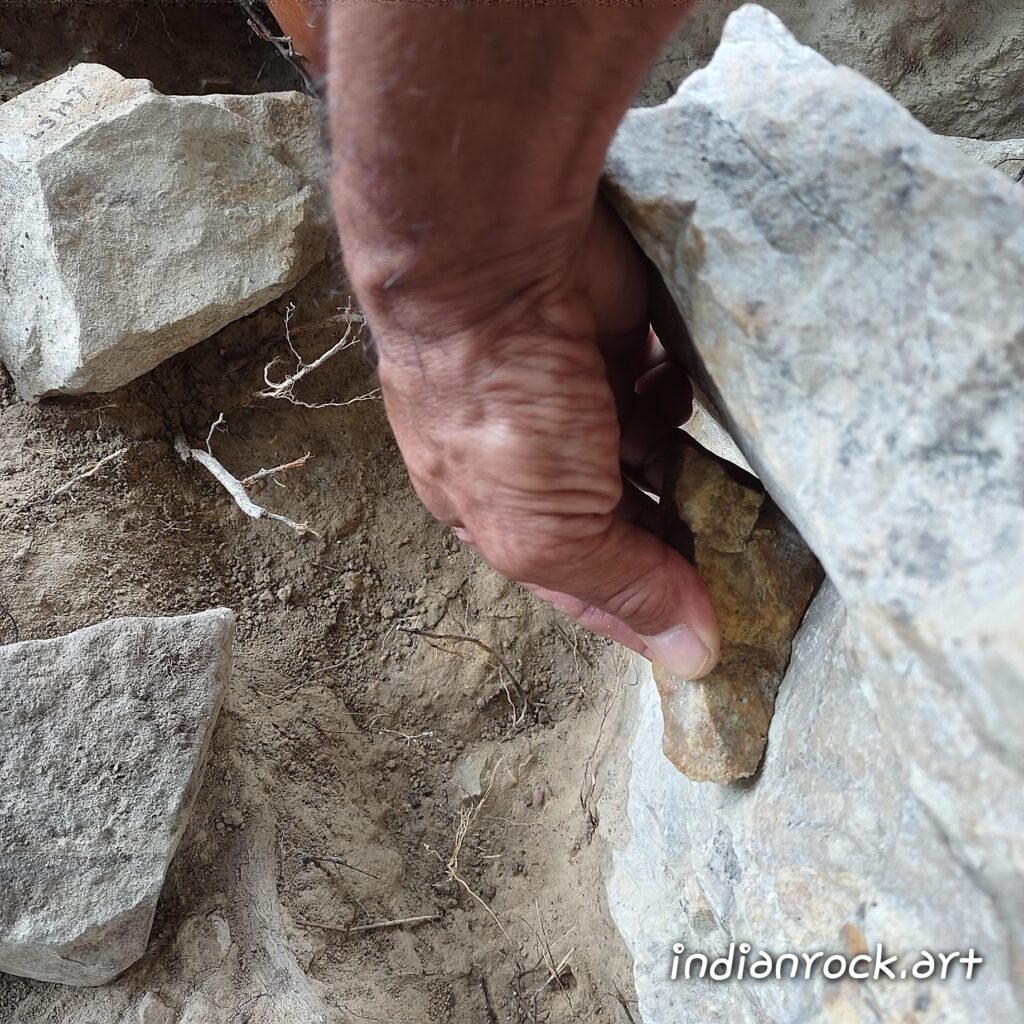
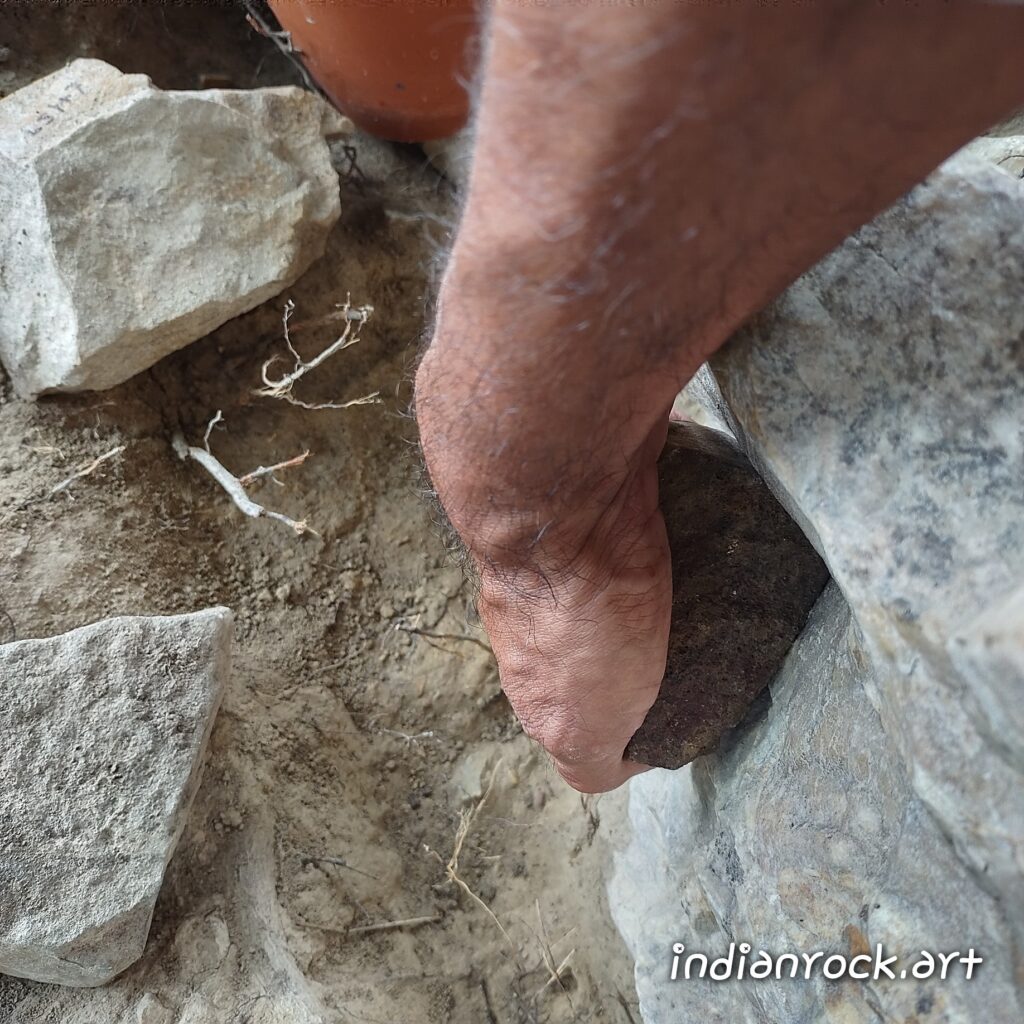
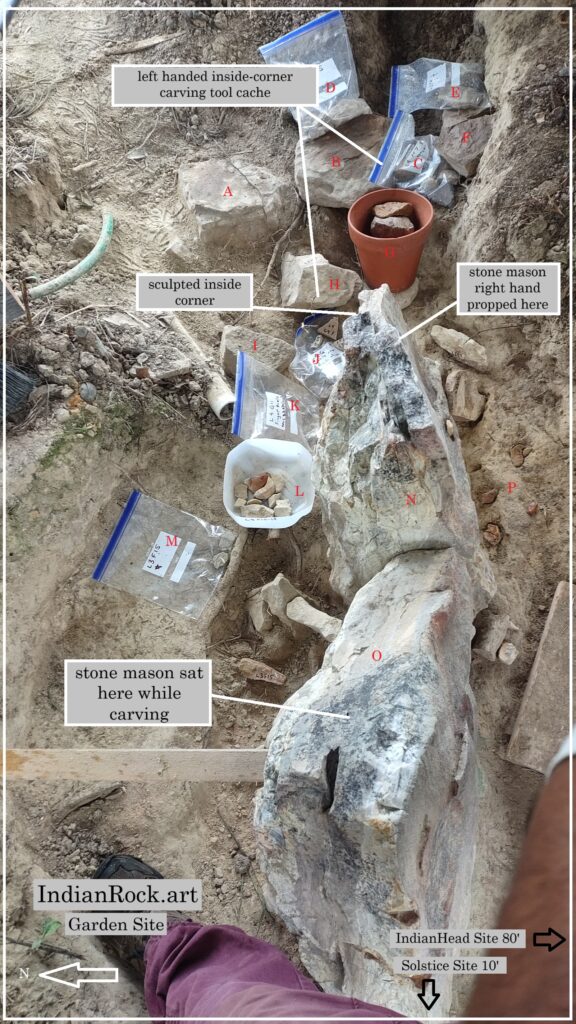
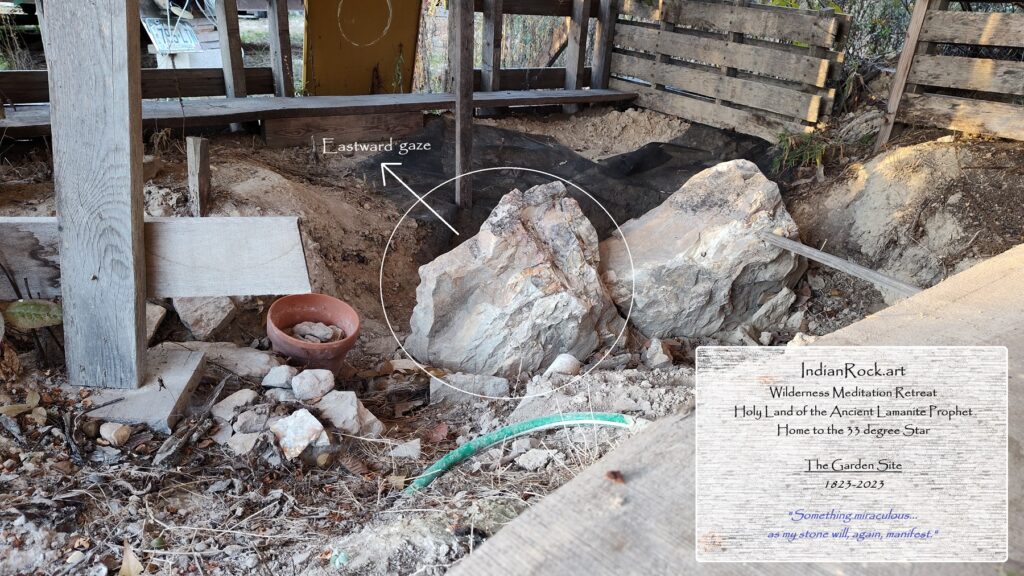
Look at the image and imagine someone is facing east(left), straddled across the second stone, leaning forward, and with the right hand, is gripping the tip of the first stone. Now imagine, with a stone in the left hand, this individual is creating the large indentation that is clearly visible in the image.
Categories
Phase1 in review 6
There are the 2digit stone tools, very finite, where the artisan pinches a pebble between the thumb and finger. Then, there are 3digit tools, as mentioned in an earlier post. After finger-held tools, palm tools are next in line.
As the name suggests, the palm tool is held within the grasp of the entire hand. Amongst the many benefits of this positioning, the biggest is that the artisan is utilizing the power and control generated by the muscles and bone structure throughout the arm and shoulder.

In the mind of a carpenter
If a carpenter is standing still, while swinging a hammer, the distance and angle to the nail determines the dynamic geometry that exists between the body and the subject matter.
Additionally, at the point before collapsing this geometric structure, the carpenter will either compromise the effectiveness of the swing, or the carpenter will change positioning, in order to regain balance: dynamic triangulation.
Dynamic triangulation becomes fluid, as the artisan moves from one position to another. This is the dance of geometry. This critical knowledge exists, hidden behind the physical world. It, along with the geometry of the hand, determines the very shape of these stones: poetry in motion, solidified in stone.

Categories
Phase1 in review 5
The righteous implication that will forever alter the way of forensic archaeology, prehistoric United States of America, and the original people of this land.
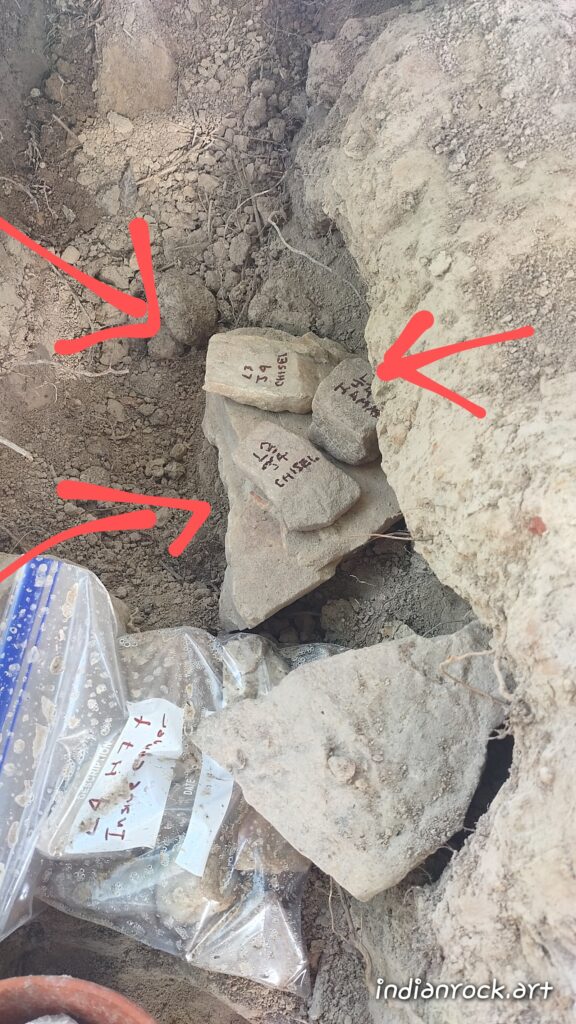
I couldn’t believe what I was looking at! Could it be? Were these stones not just tossed into a hole and buried? Was I standing where someone else stood, back in ancient times? More than that though, is this a worksite, where the stone carver set these tools down exactly as I unearthed them?


Let the evidence lead the way, because math and science do not lie. IndianRock.art: taking amateur archaeology to the next level