Categories
Tag: Paul marak
Categories
Lot #4 The Trader
Before this land was divided, IndianRock.art was part of a 600acre plot that was originally parceled out in the 1800s. Through some basic research and observation, I have come to the conclusion that the first settler homestead was located just a stone’s throw away, northwest of IndianRock.art, and their access road was just behind the Temple Site, east of the current drive, off of Airport Rd. I have found settler artifacts on the hilltop but nothing within the property lines of IndianRock.art. The only indication of previous inhabitance is the top-layer of carved stones scattered about the hillside. They number in the tens of thousands, and I suspect that there are layers beneath layers, under the topsoil. It is because of this likely theory that I am steering away from building permanent structures that might require earthwork or flatwork.
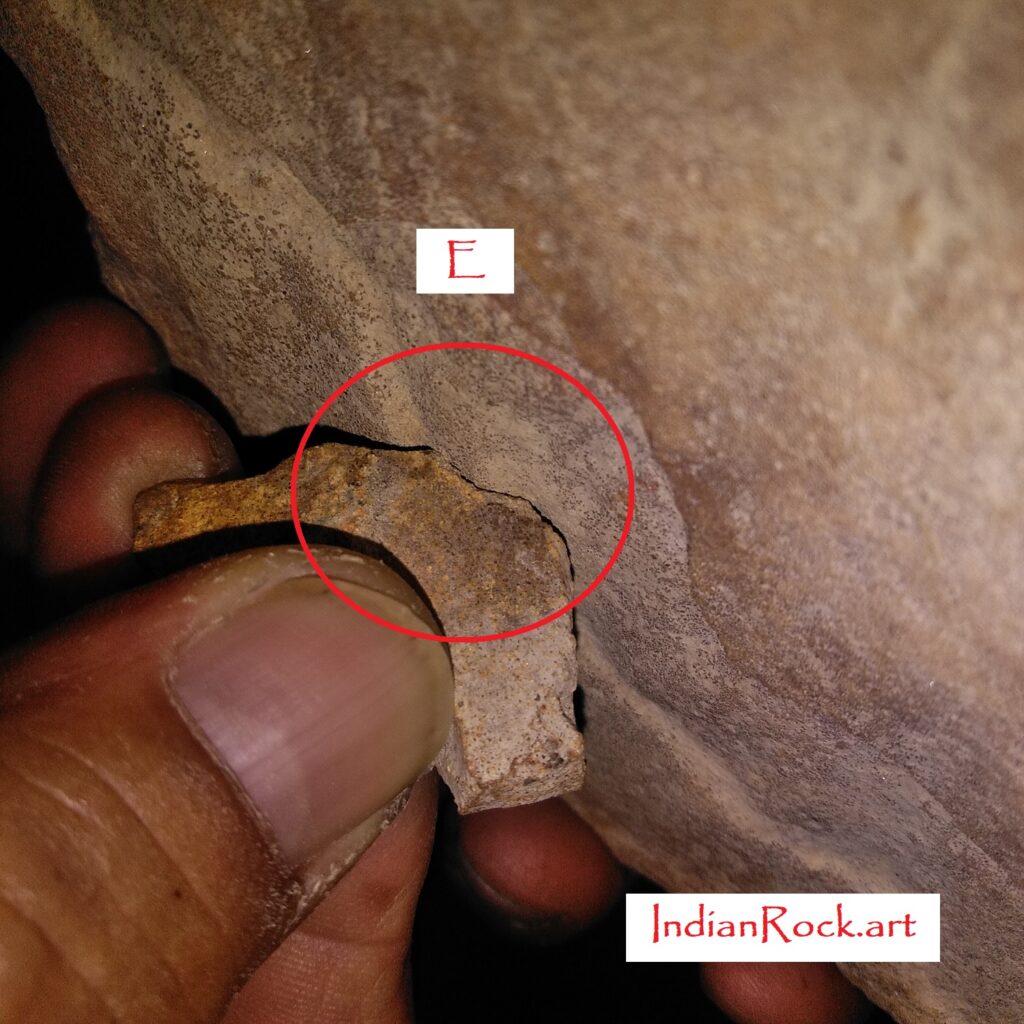
At Keys lot #4, some stones are more interesting than others. The following sketch and images highlight one of those stones and some of the key features that make it special.


Perhaps, a trader hones specific skills that enable him to become a proficient seeker of hidden truths. Throughout his years, he prepares, unknowingly, for a future discovery. His intuition becomes second nature and his faith: strengthened by experience. His steps become firm, steady, and eventually lead him to answer God’ calling.

The Keys Lot #4 – The Trader
IndianRock.art
Categories
Phase1 in review 14
Here is another rock, submitted as evidence. It supports the phase1 hypothesis that confidently suggests: Someone, at an early point in time, quarried stones, carved into those stones, then left the carvings and tools; where then, I discovered them as undisturbed artifacts, some years later.

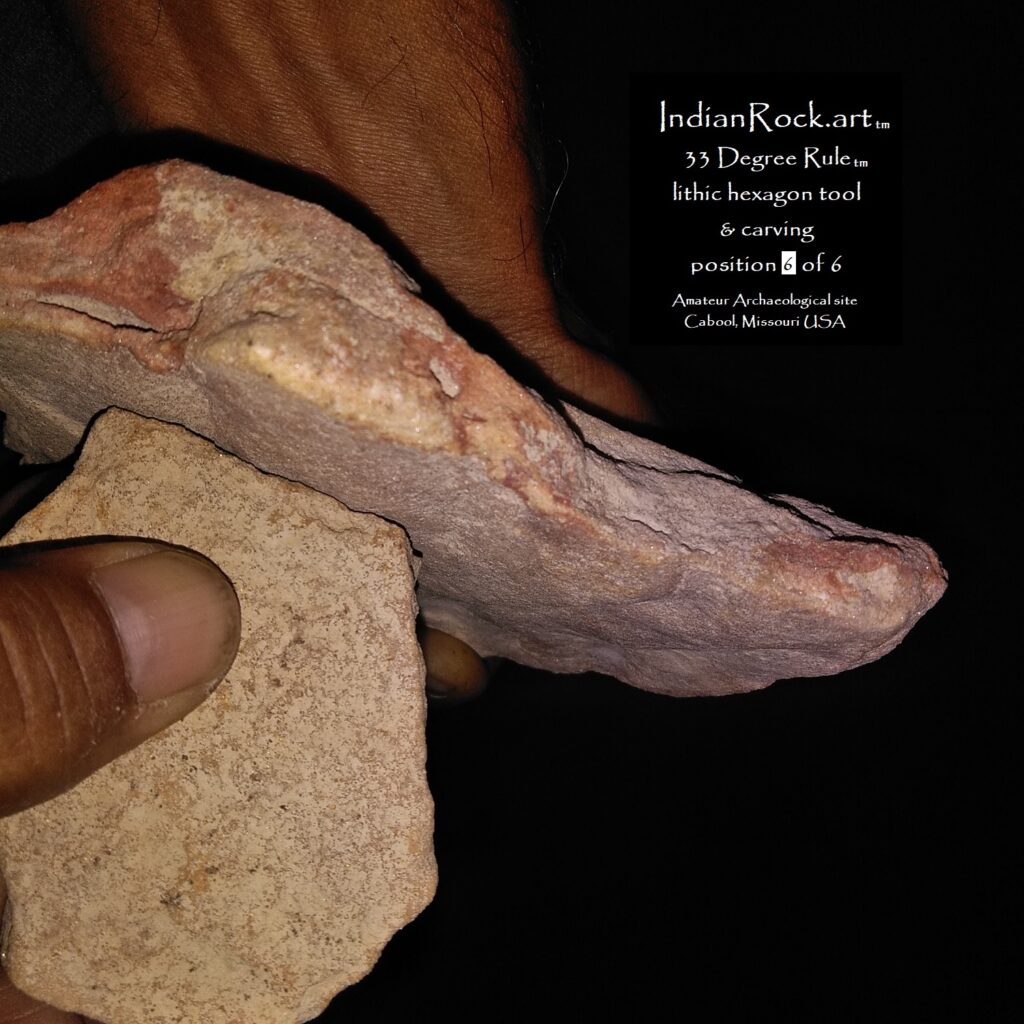
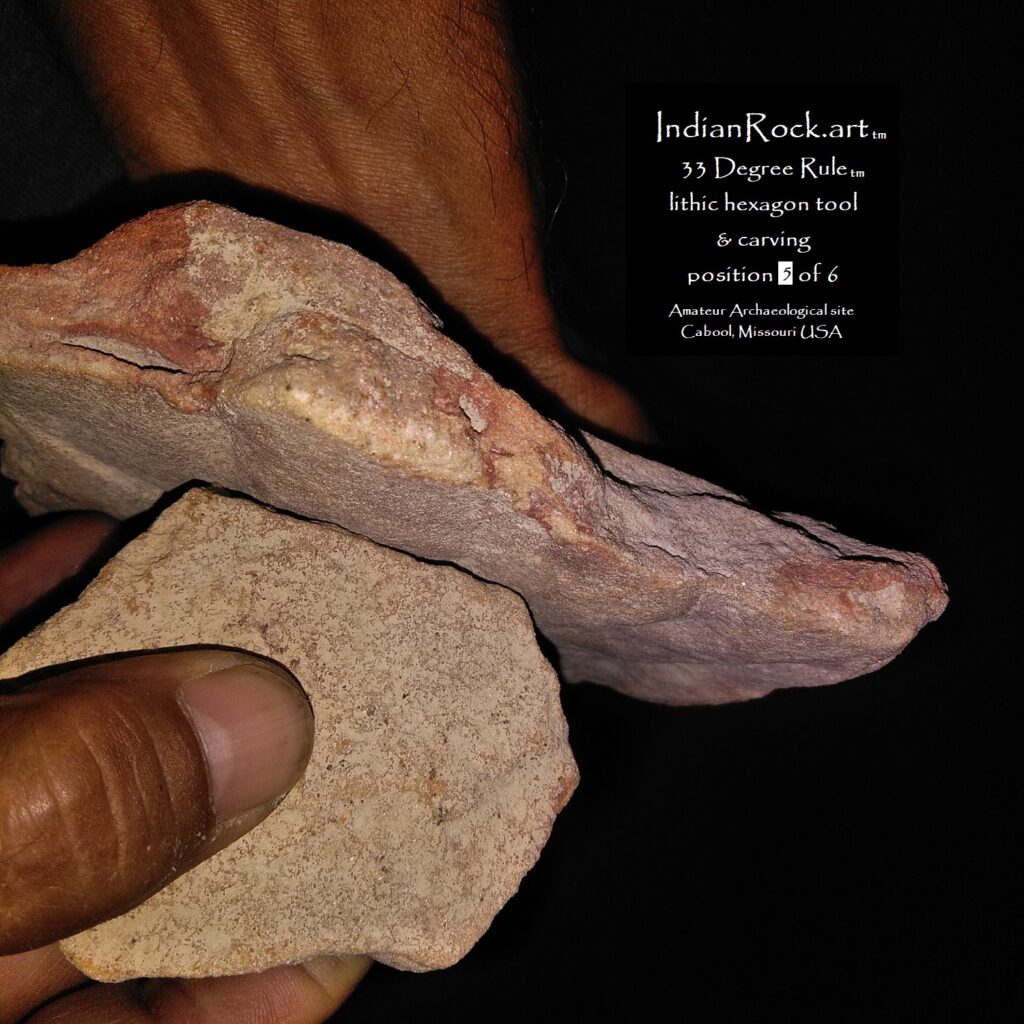
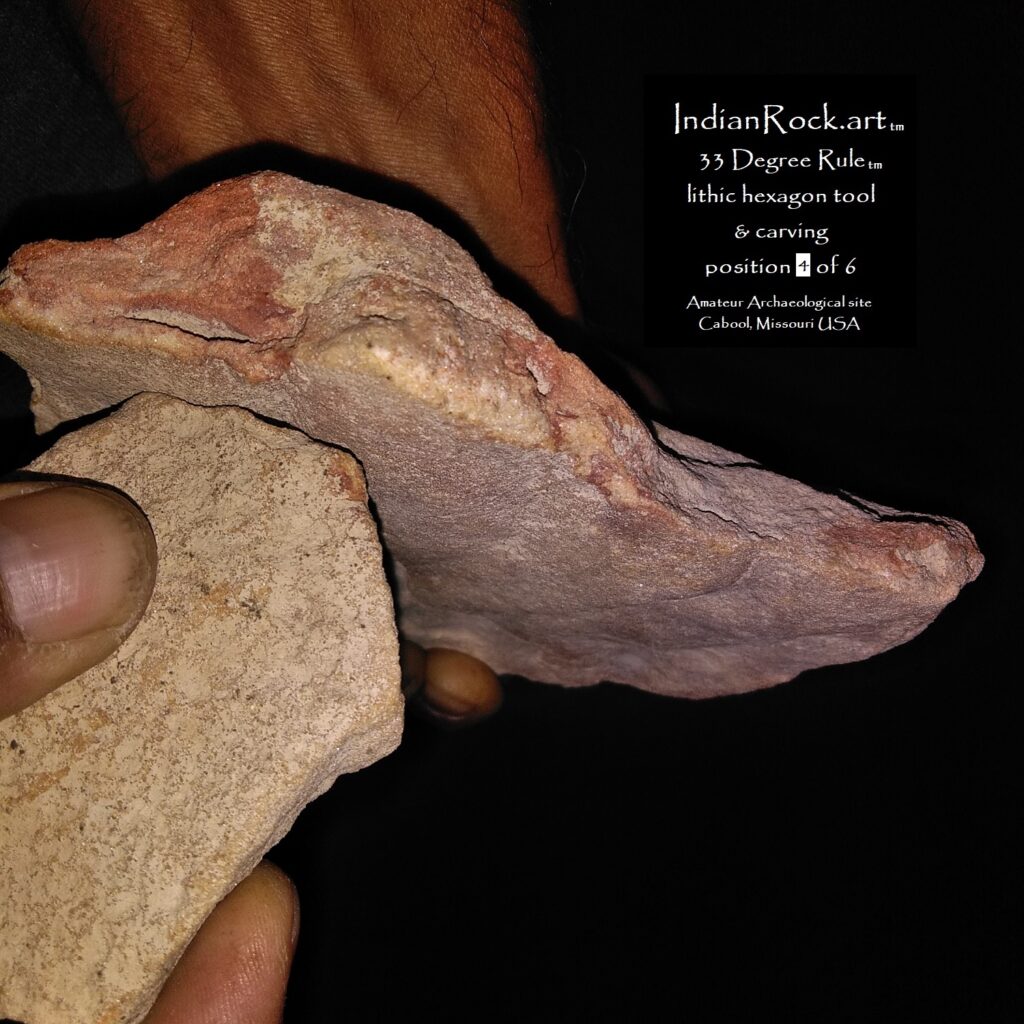
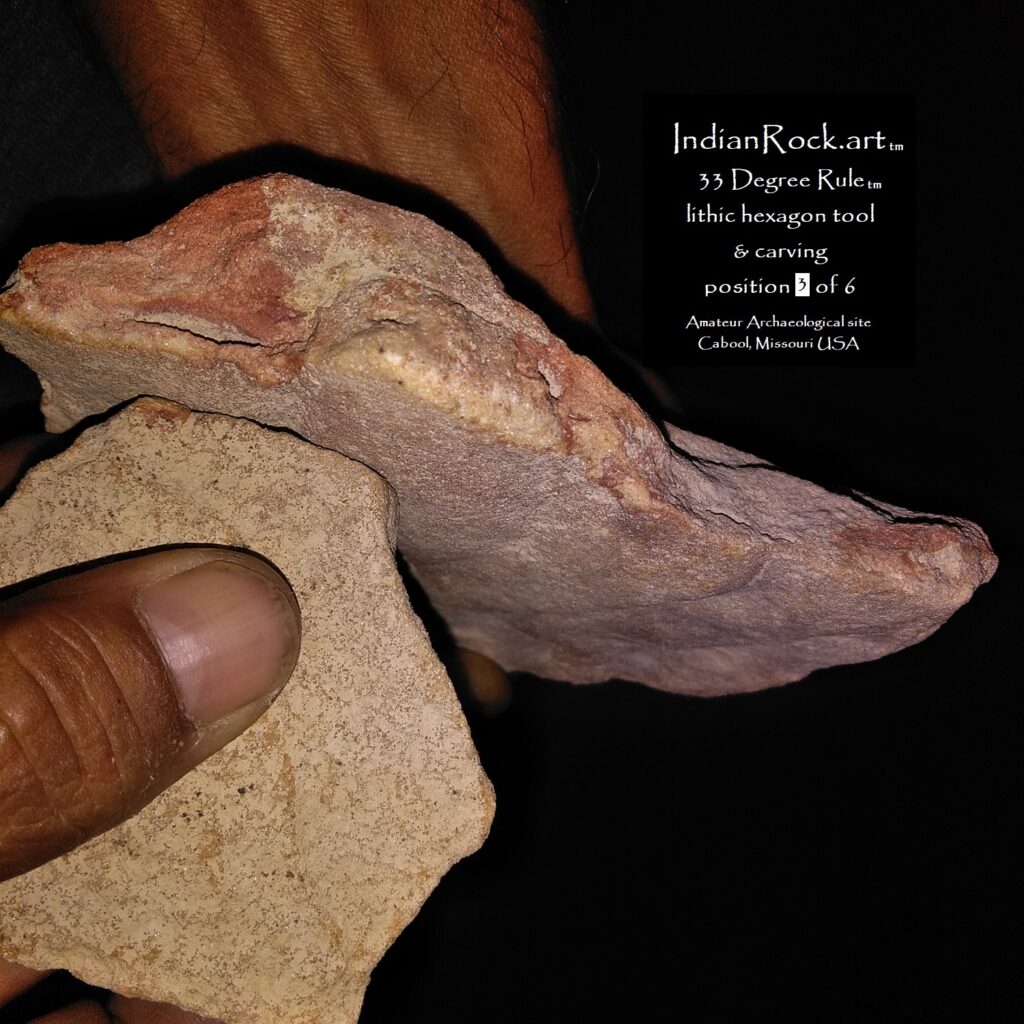
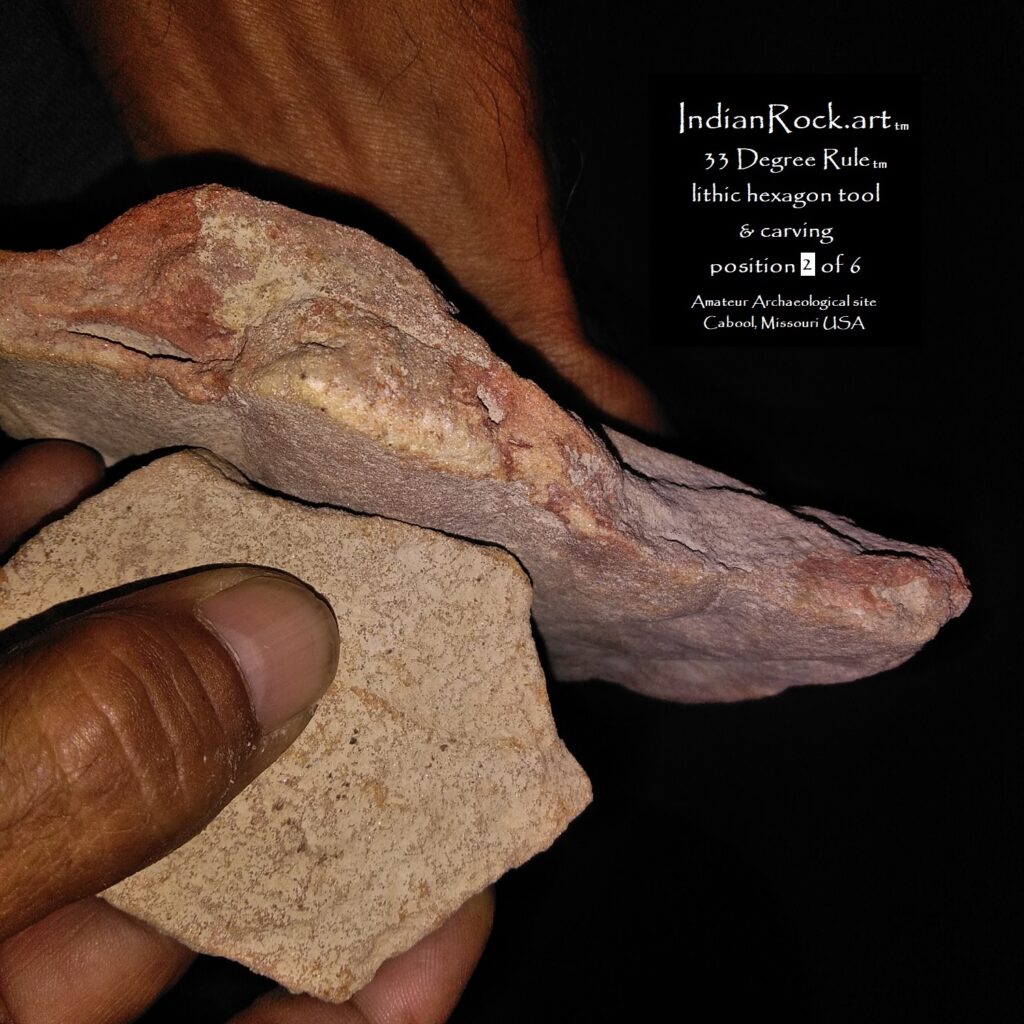
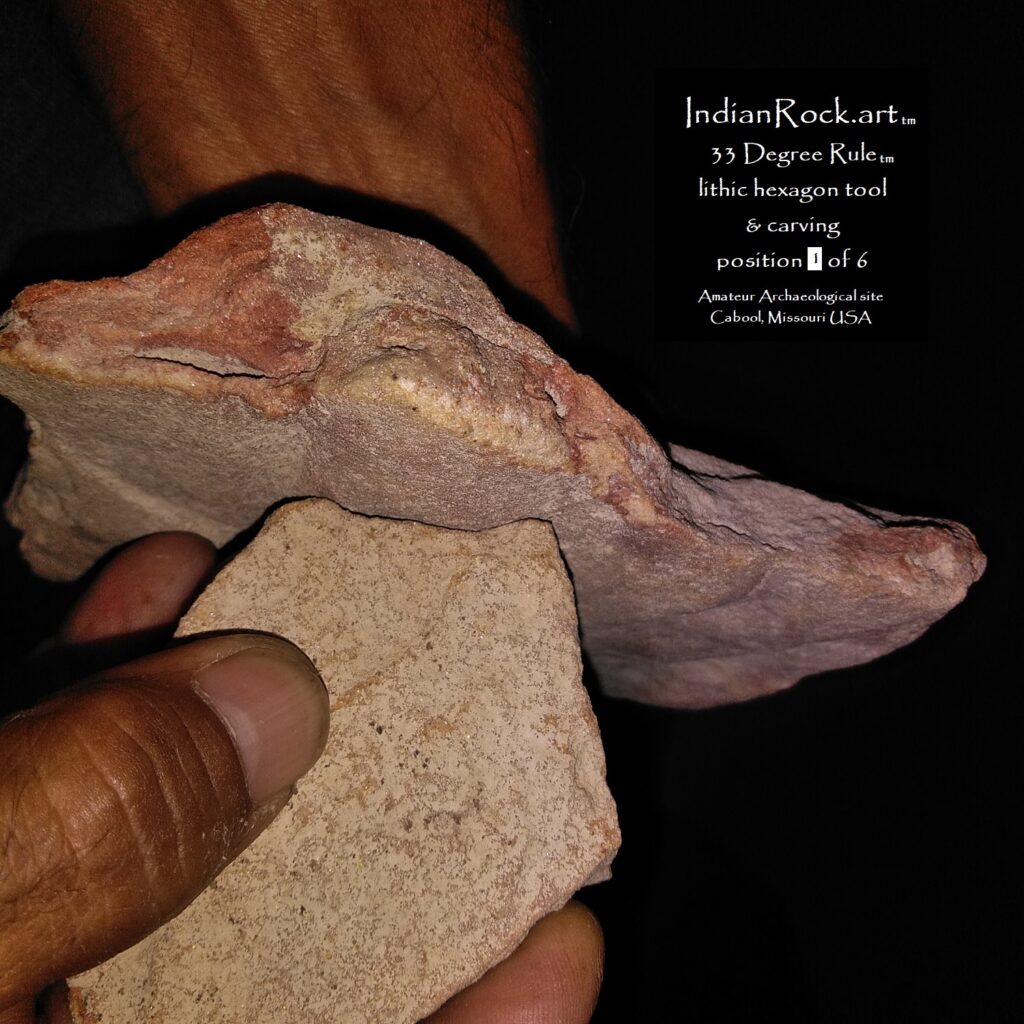
After handling a few thousand stones over the past several years, I’m looking forward to finalizing phase1. Within the next two posts, I’ll try and compose a detailed analysis including mostly everything that has unfolded. In addition to serving as an analysis, it’ll serve as my own referential chronological guide and as a foundational starting point for anyone that might come across a similar discovery.
IndianRock.art – Faith, Work, and Meditation – Left and right join together to cradle the precious stone. – Where God speaks, seer stones exist, and miracles happen. – Holy land of the ancient Lamanite prophet.
Categories
Protected: The Garden and Genesis
Categories
Phase1 in review 13
Science and a Seer Stone
Without knowledge of its origin, critical evidence that supports a theory, or any fact-based contextualization that might help in drafting a presumable history, it is easy enough to dismiss this stone’s peculiar markings, by writing them off as natural occurrences, or discarding the stone, altogether, as a mere geofact. On the other hand, however, by believing that it is something more, it gains potential; therefore, allowing for spiritual transformation into, perhaps, the glorious enigma, or by way of a specific definition and certain criteria: a seer stone.

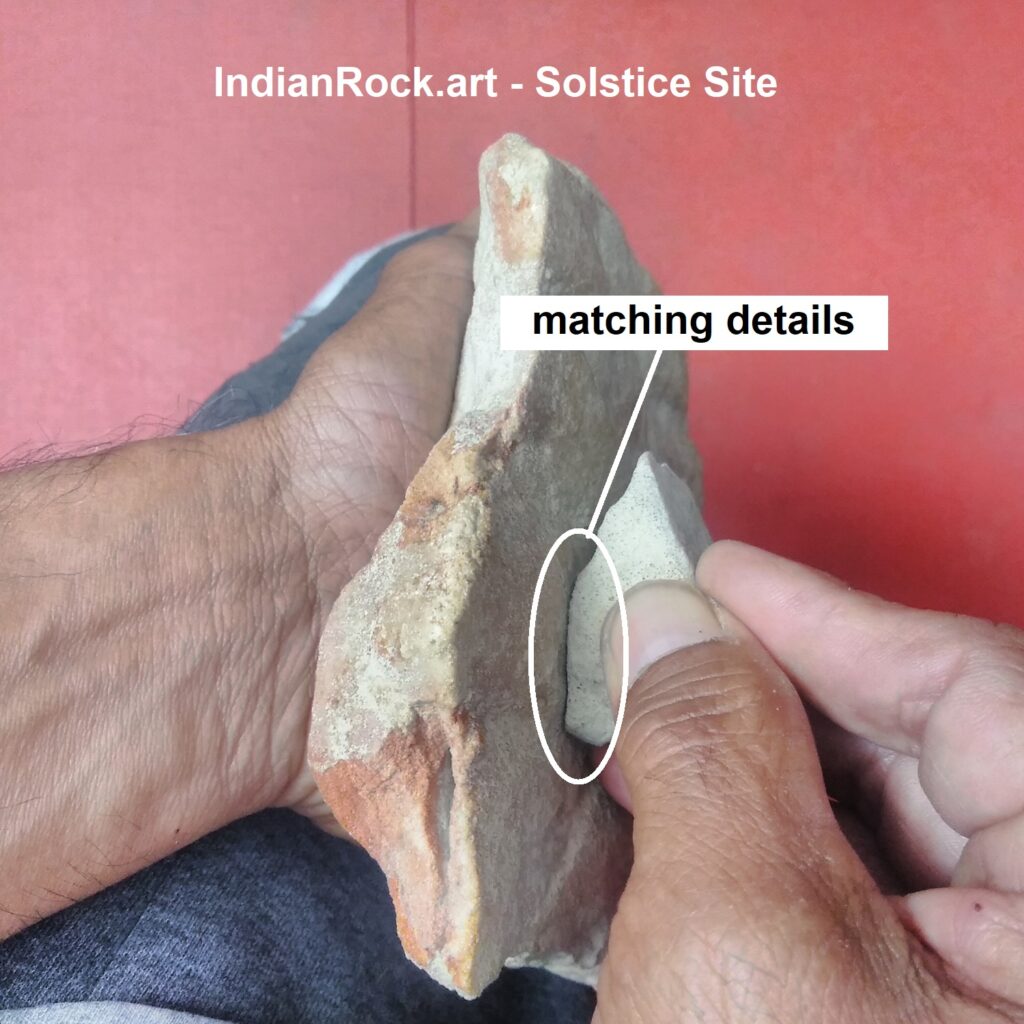
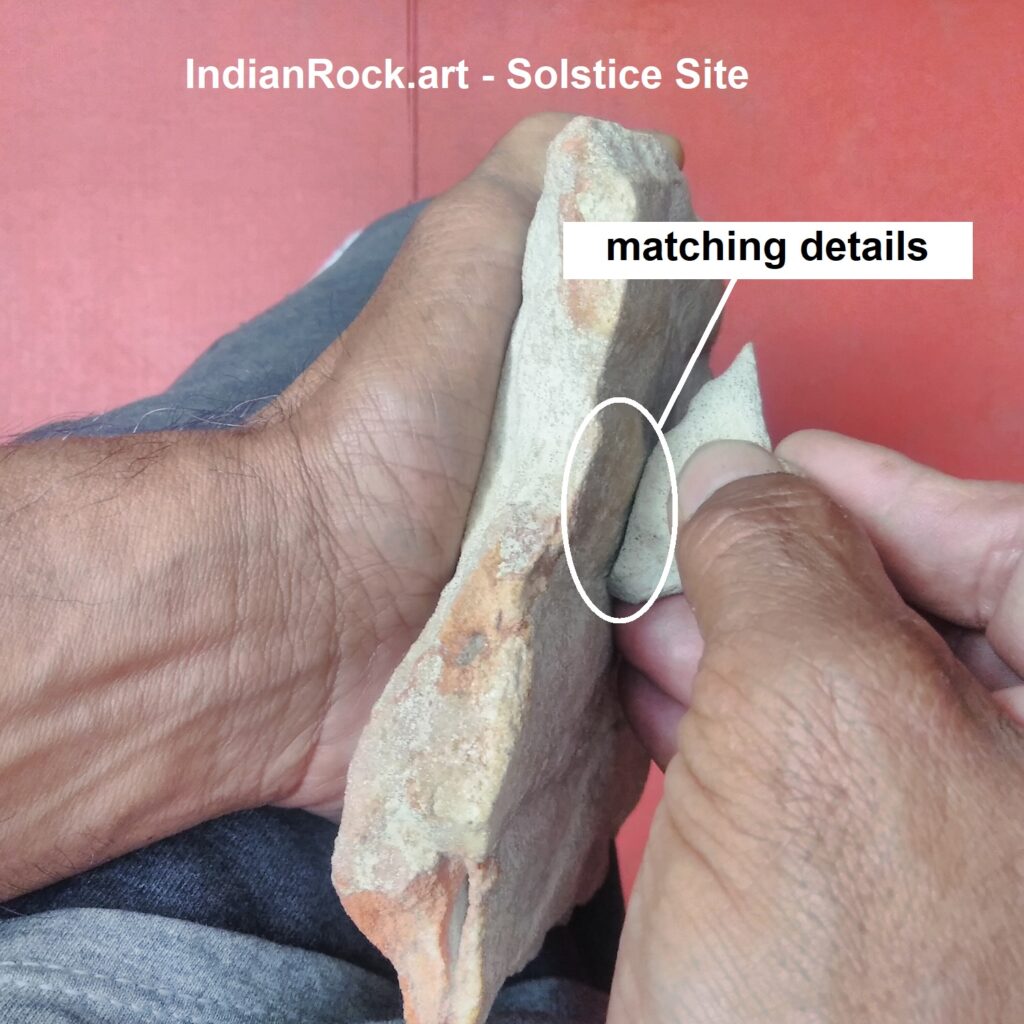
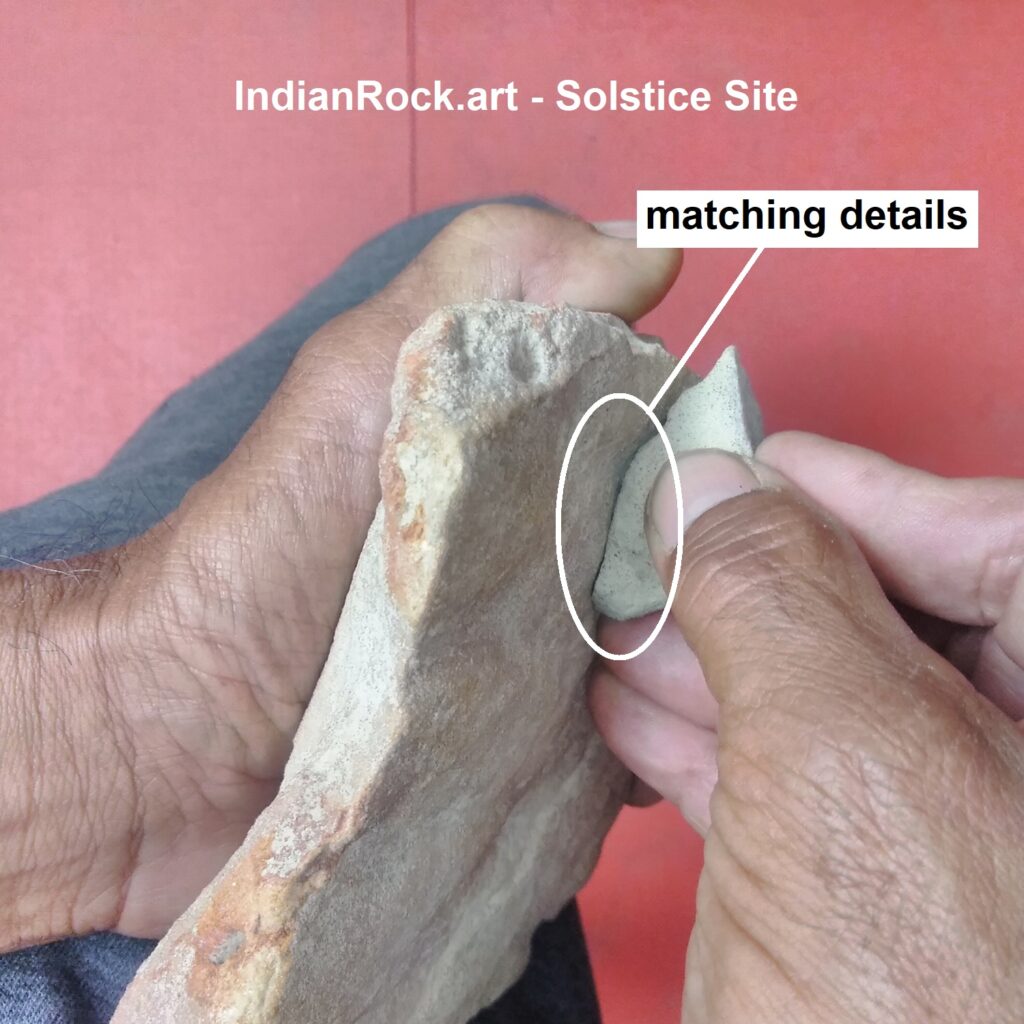
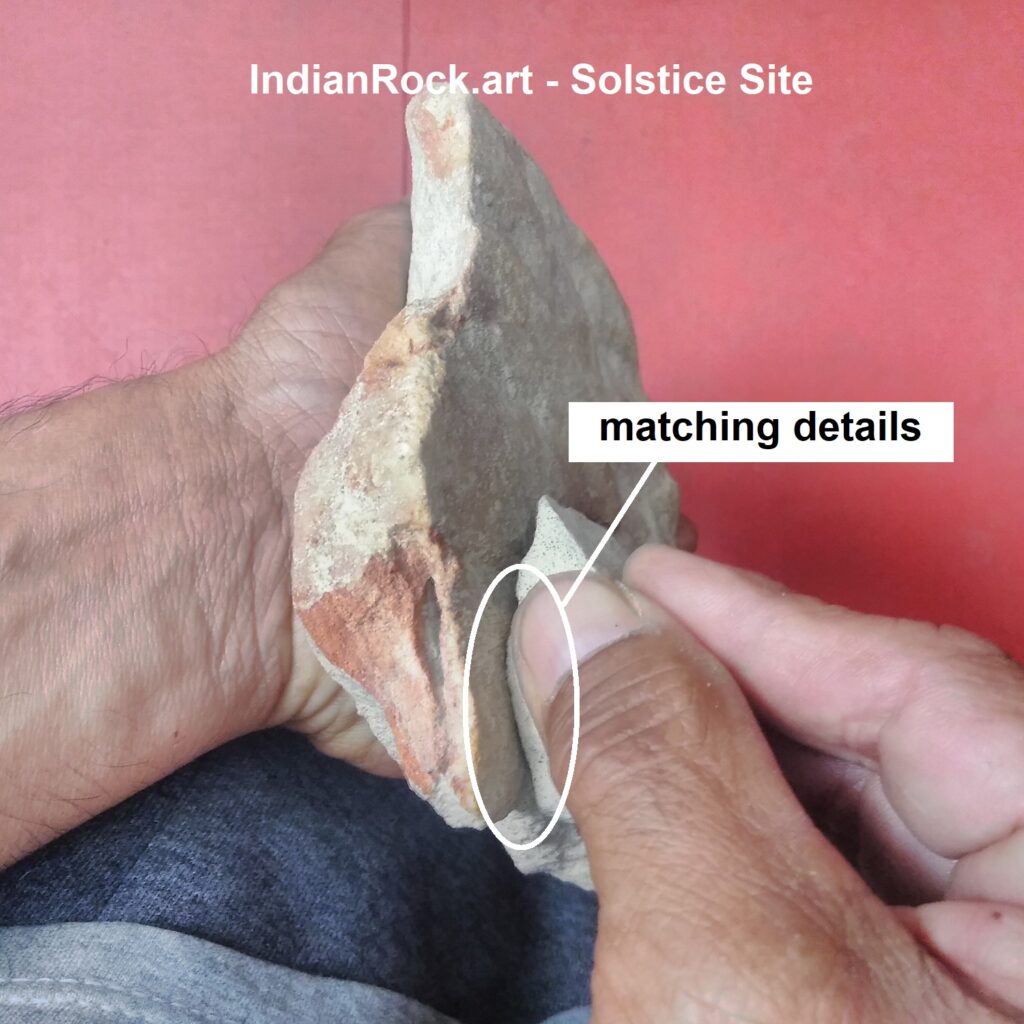
I gathered all of the stones that were unearthed around this larger base stone. They are, perhaps, what the evidence is proving them to be: the very tools that created the mysterious markings found on this stone.
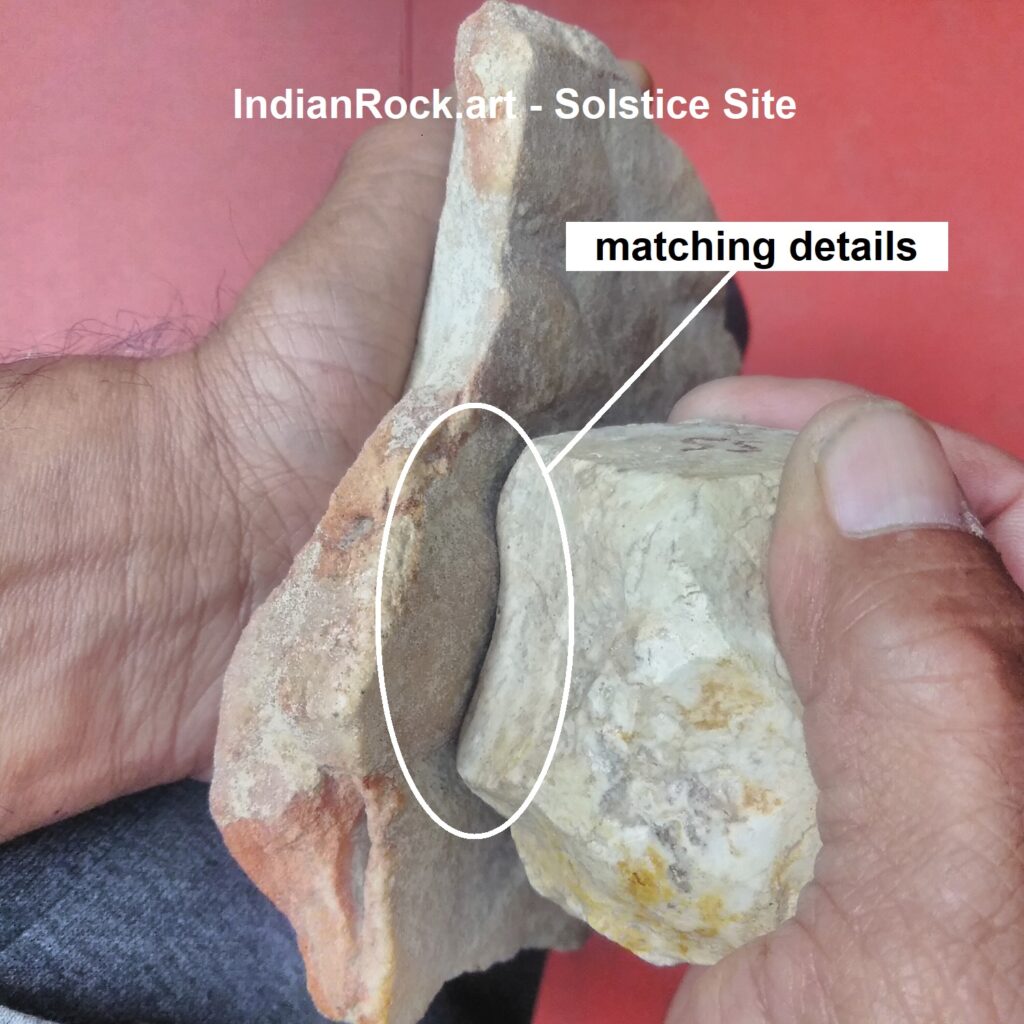
The pictures below show how one stone fits a set of impressions found on the base stone, implying that it was used to help carve out the impressions.


By the guiding illumination emitting from the gleaming heavenly body, we will bear witness to the translation of the writing.
Thank you, God.
Categories
Phase1 in review 12
Here is another stone tool that was used to finish the Hummingbird Stone.
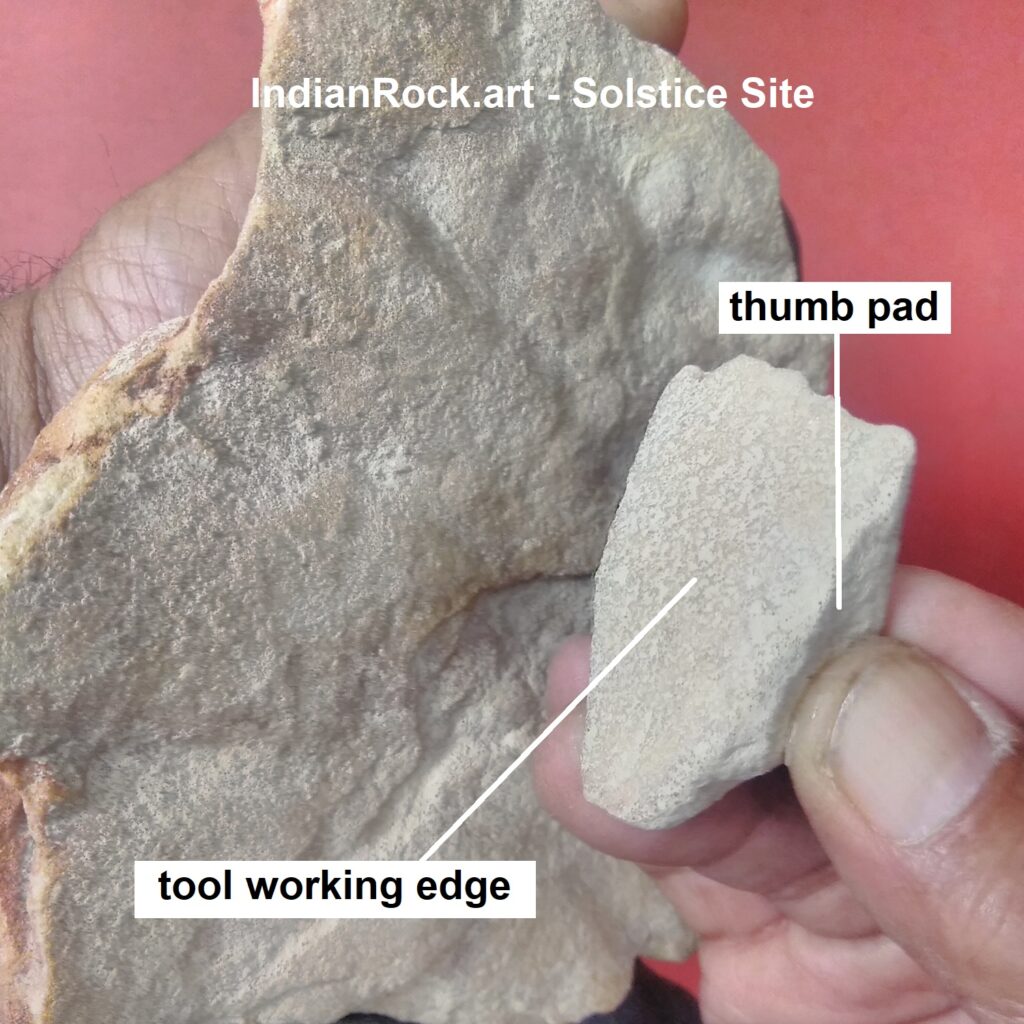
The dance of light and shadow upon a piece is more important than the form, itself. …especially at IndianRock.art.
IndianRock.art Garden Site
Categories
Phase1 in review 11
Here’s another example of a stone tablet and a tool, held and worked as it would have been in ancient times.
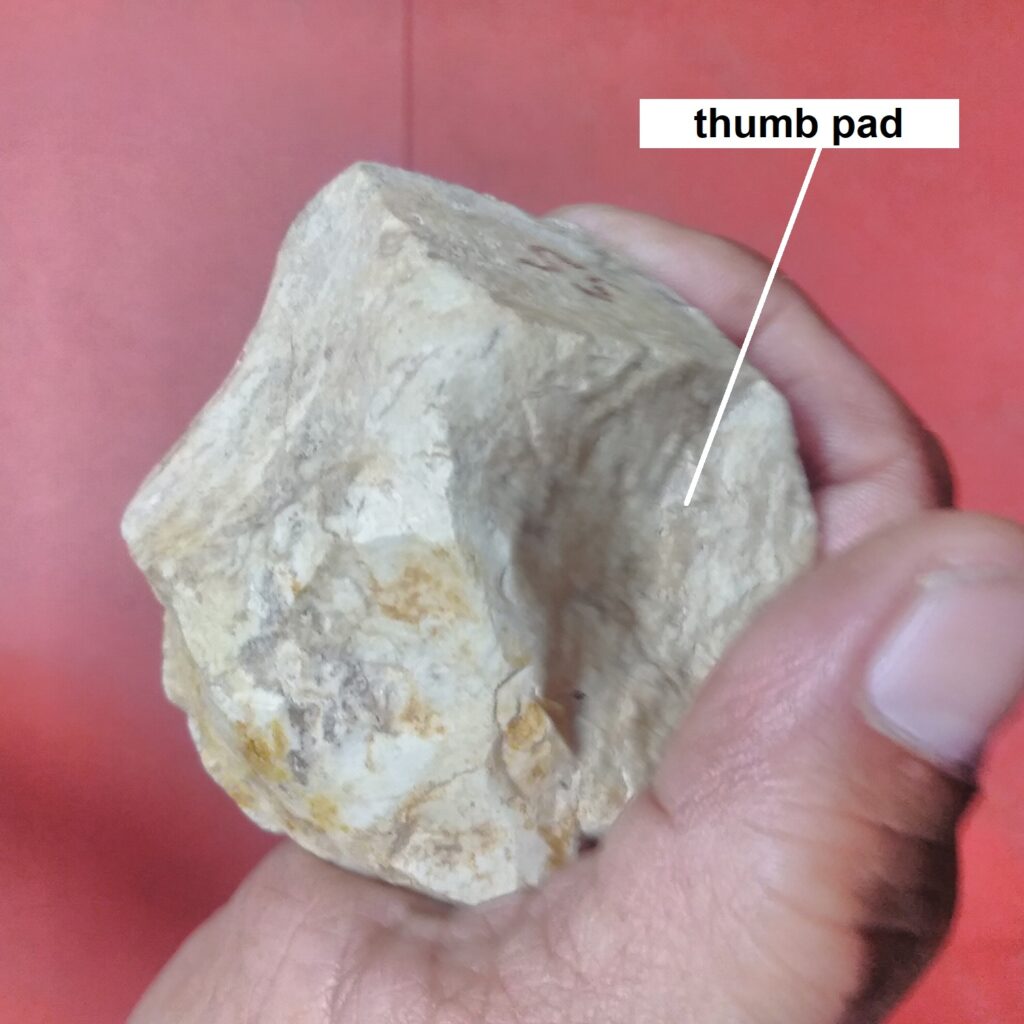
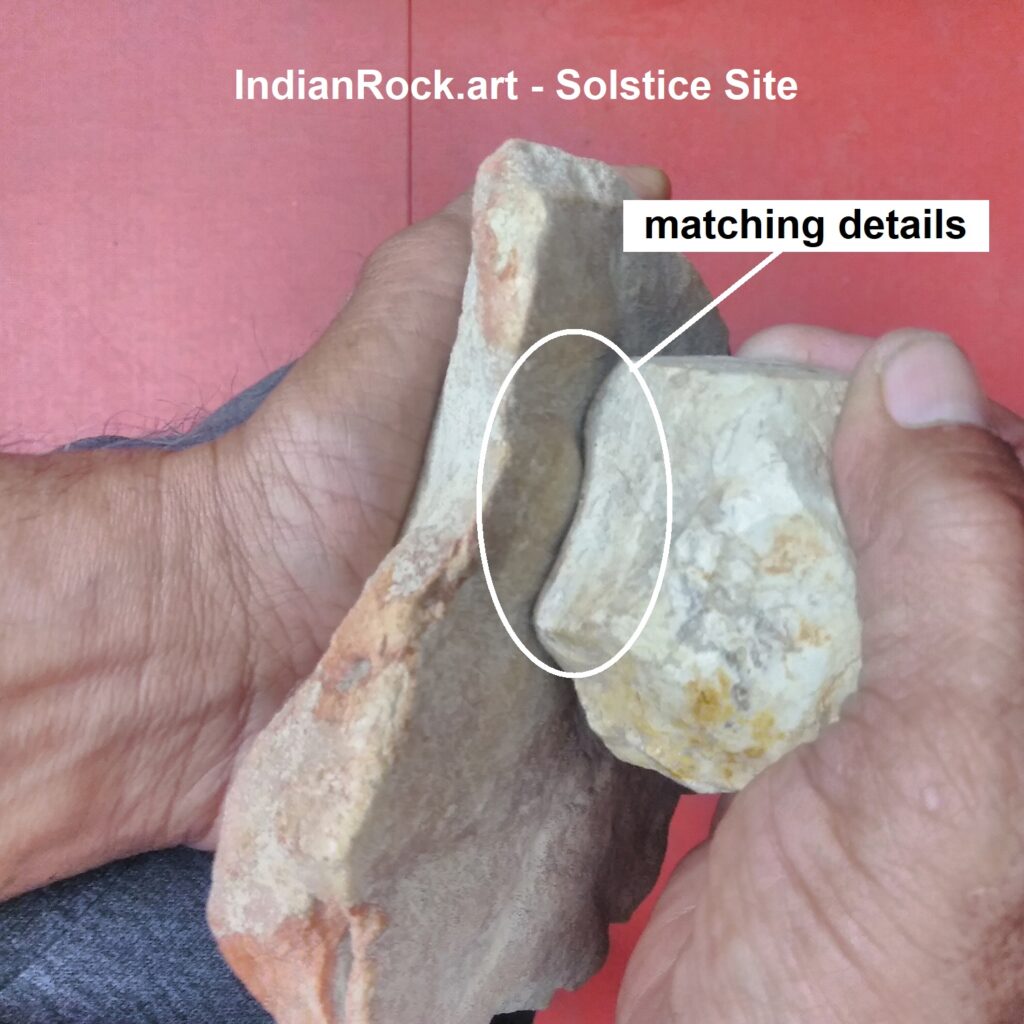
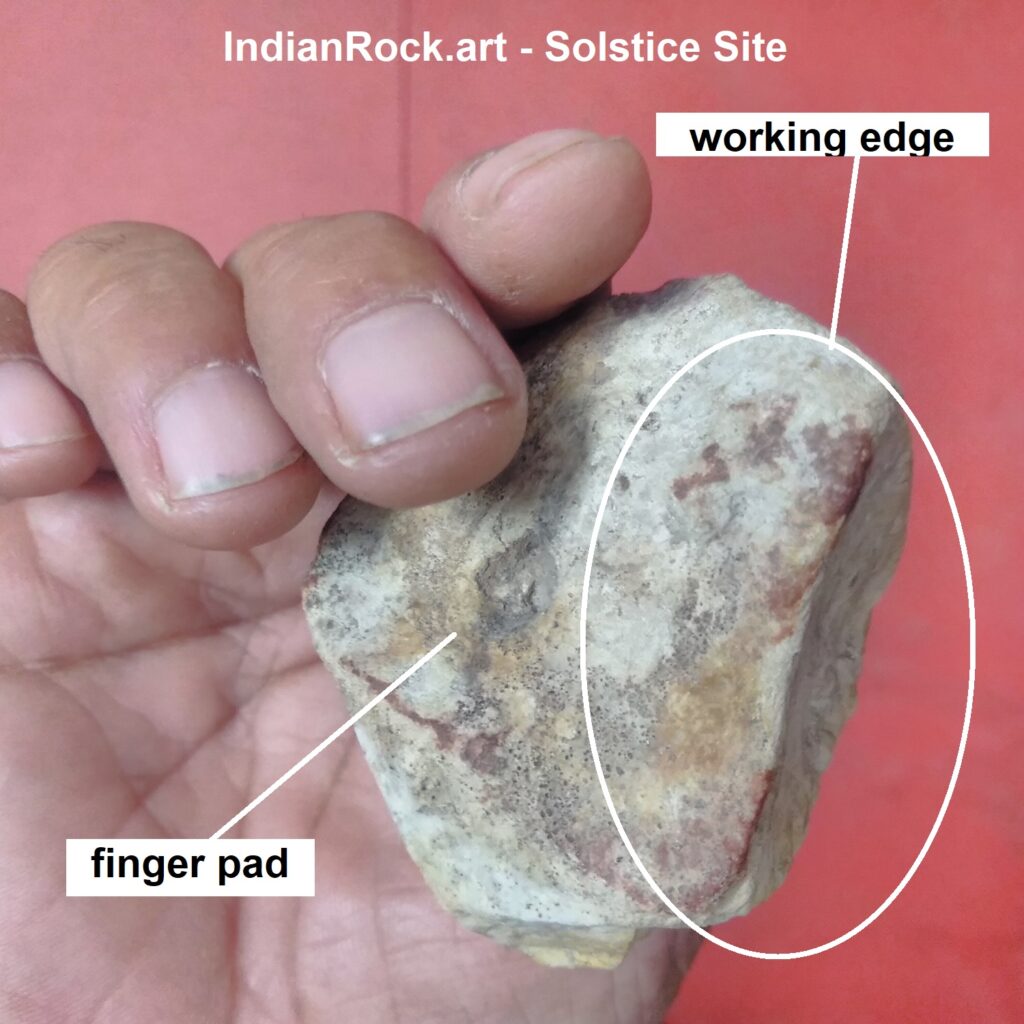
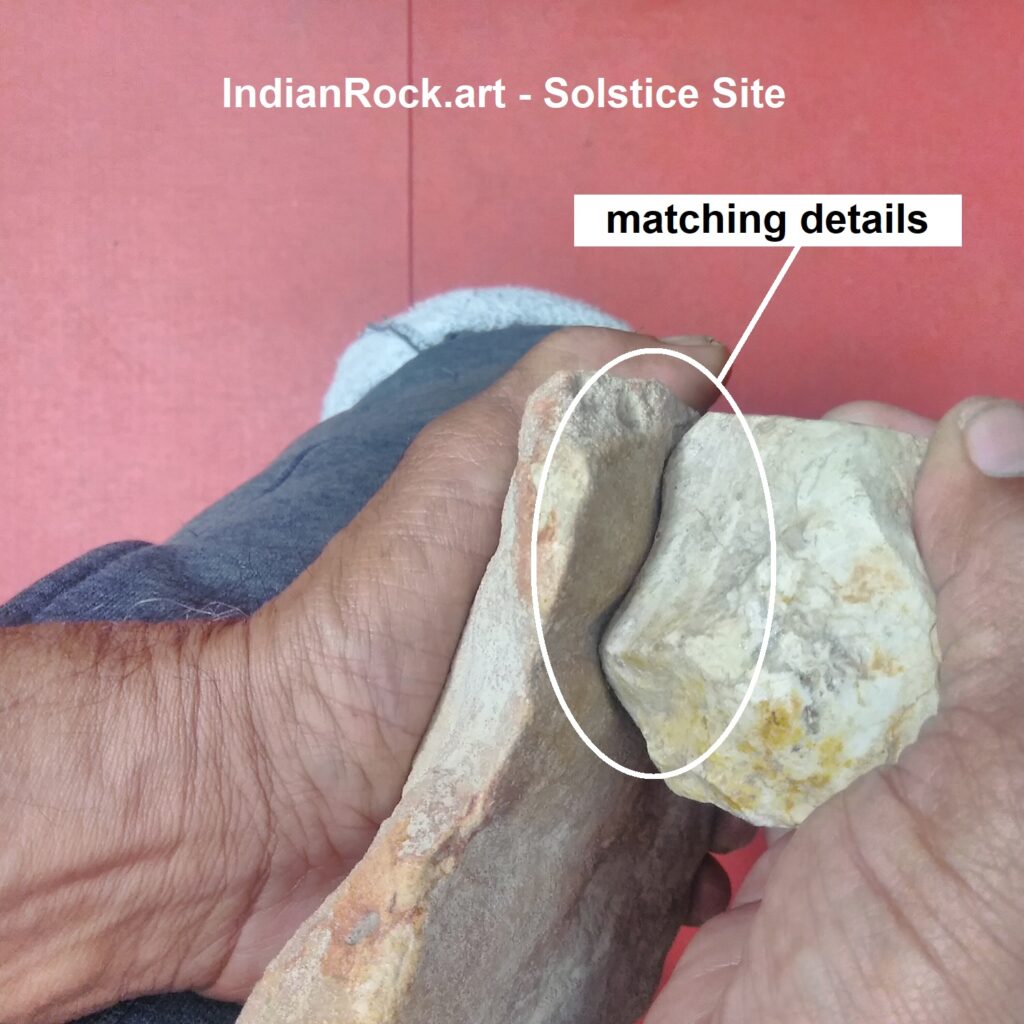
IndianRock.art – Garden Site
Categories
Phase1 in review 10
Naturally, an artisan, hard at work, will position their body in ways that reduce fatigue, without compromising power and control. This concept can be explained, mathematically, as a geometry equation, where the results are shown, tangibly, as residual markings on two separate stones: a carving and a tool.
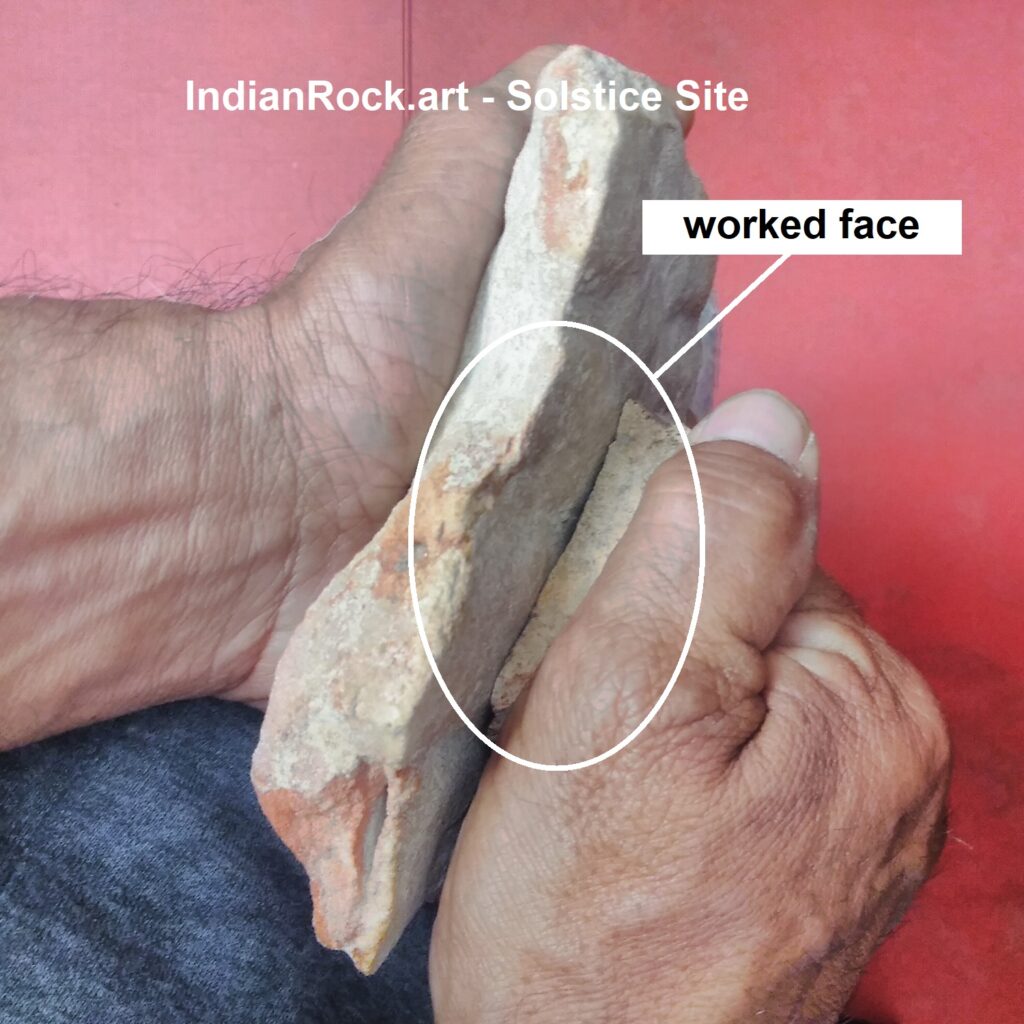
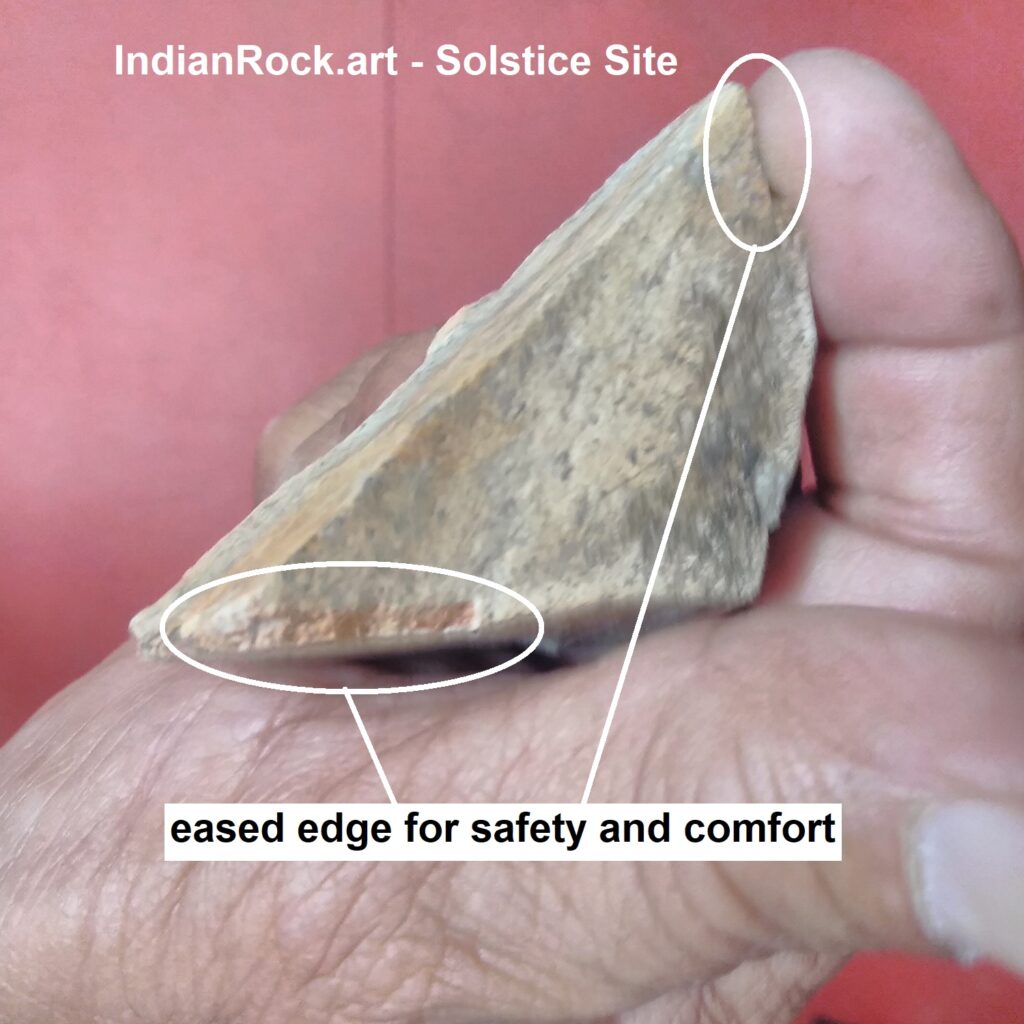
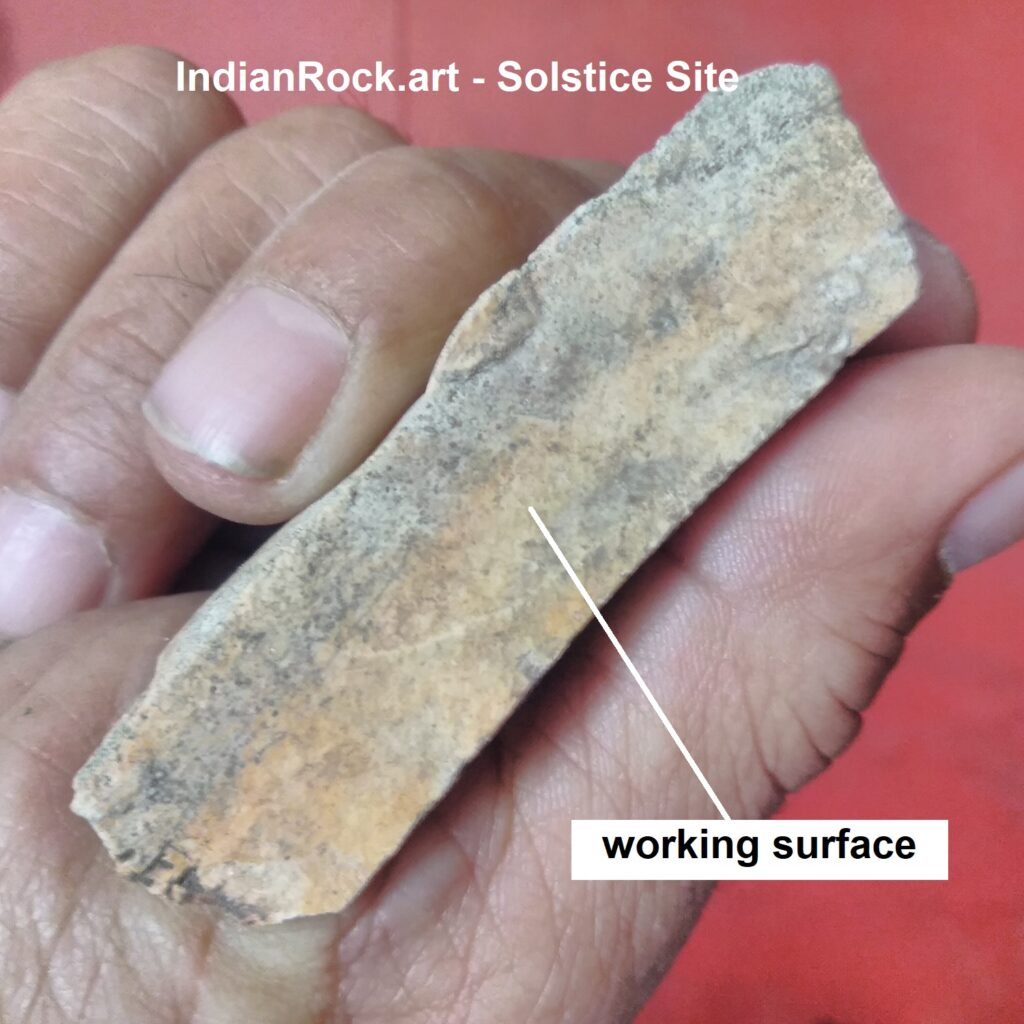
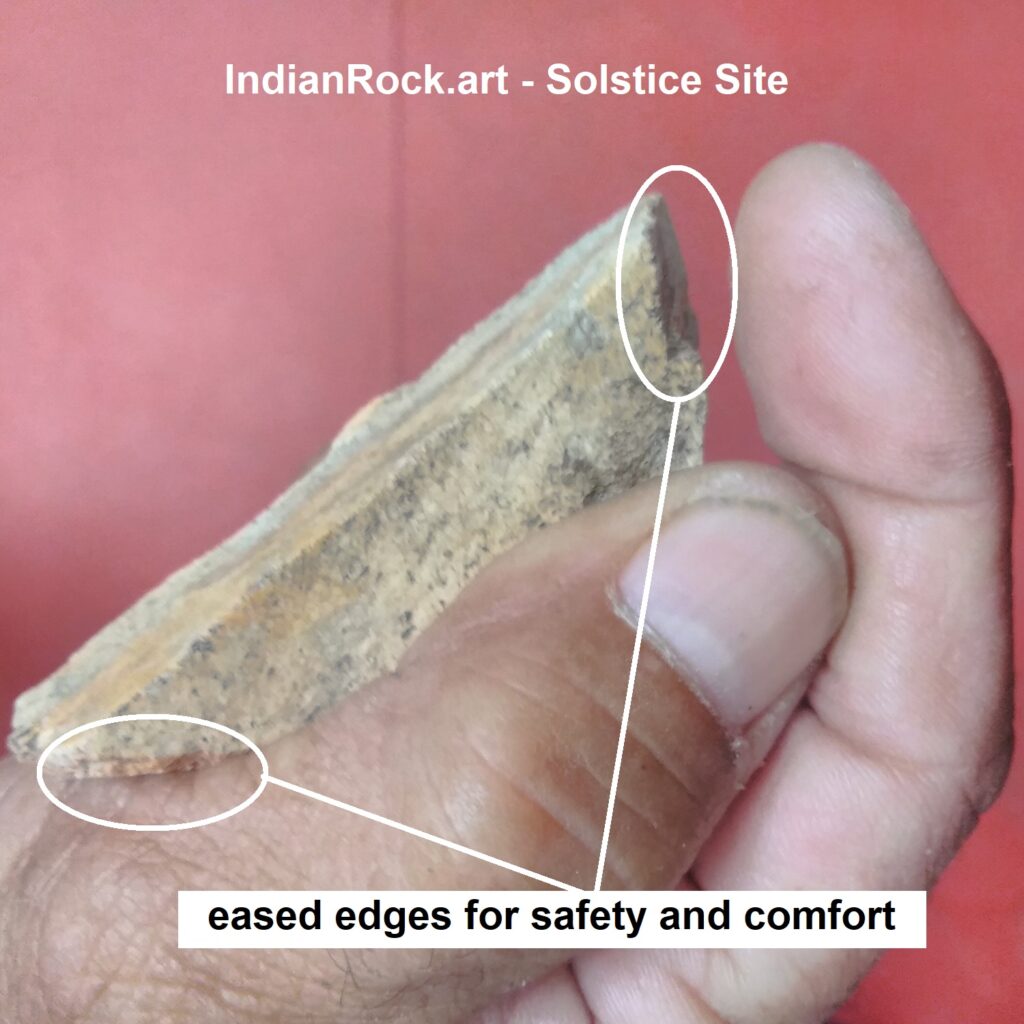
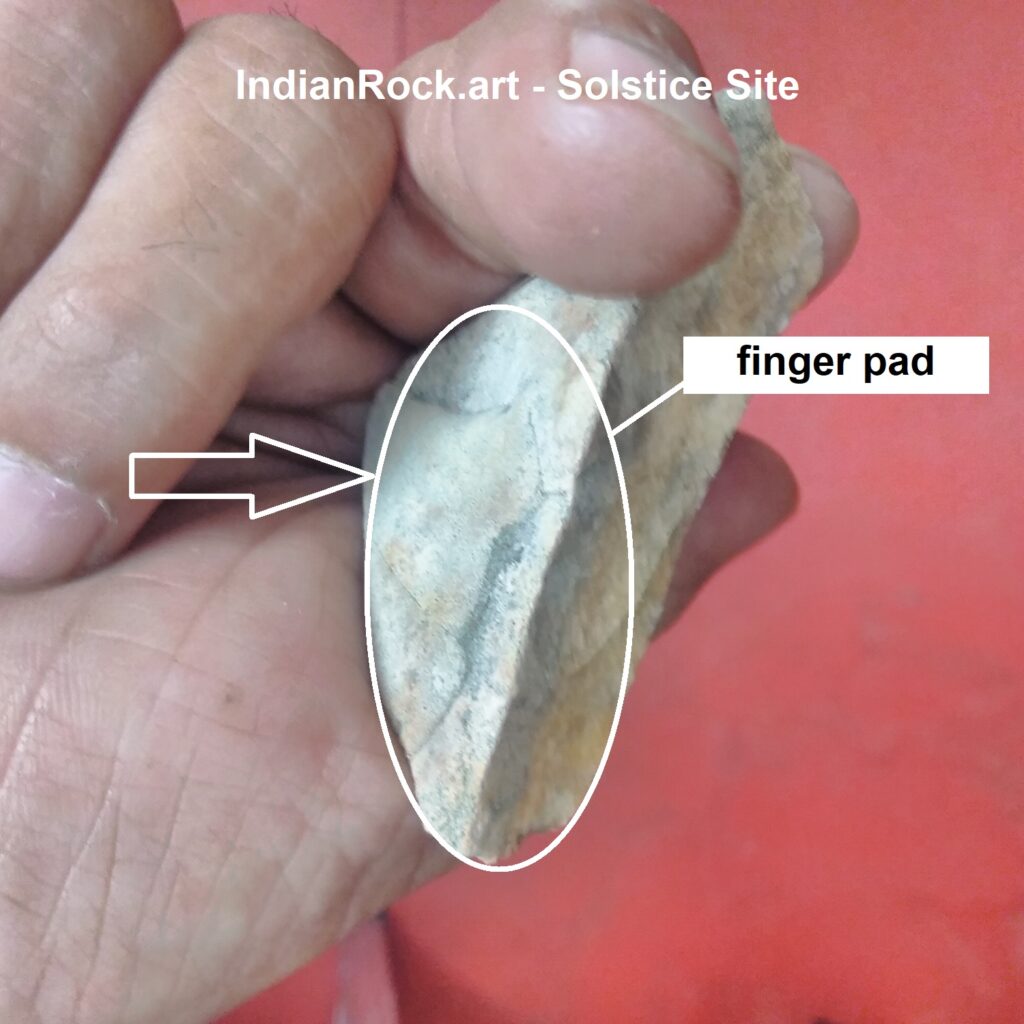
The truth is comprised of the evidence. It is what led us here. The redundancy cannot be overstated or overlooked.
IndianRock.art Garden Site
Categories
Phase1 in review 9
The Garden Site includes discoveries made from the Solstice Site, which I unearthed alongside the Garden Site. Look for the next few posts to focus on this site, because it dives deeper into the various stone tools that make up the Garden Site and IndianRock.art, generally speaking.
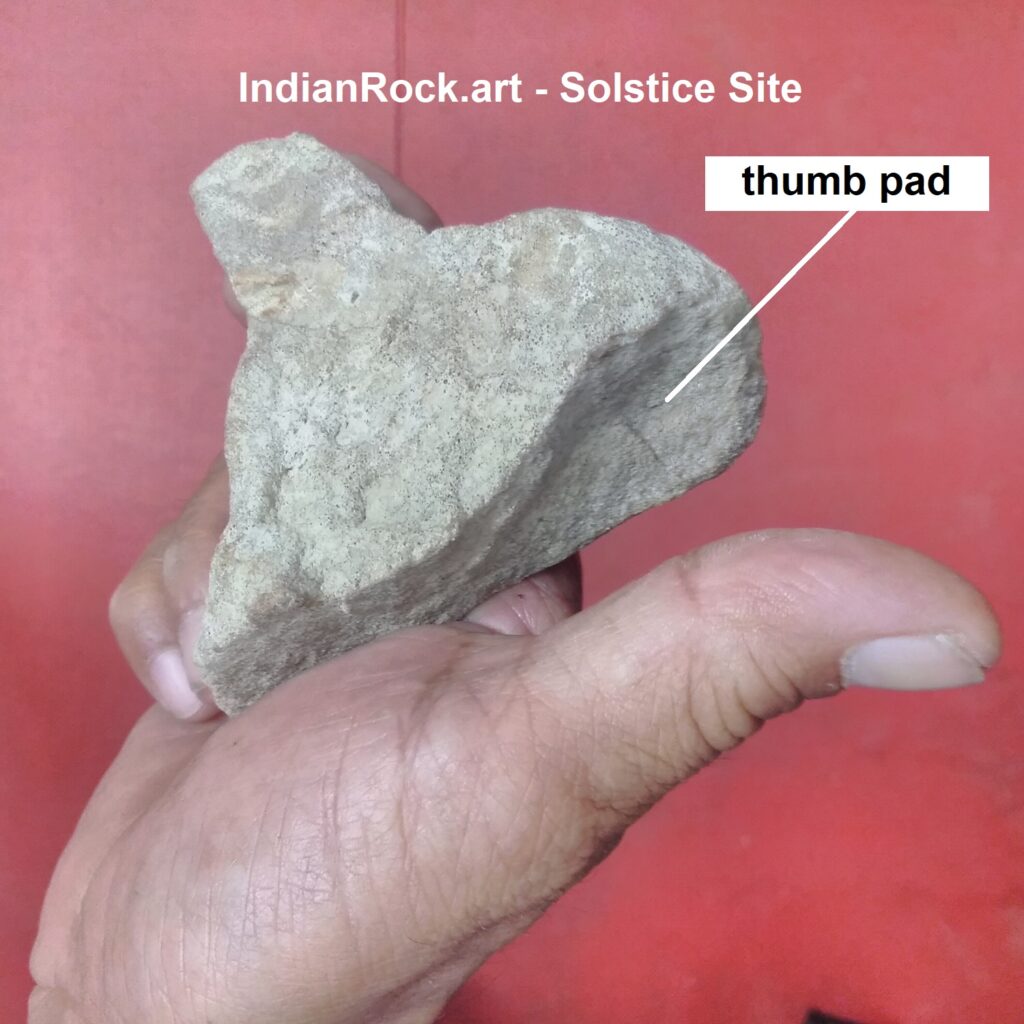
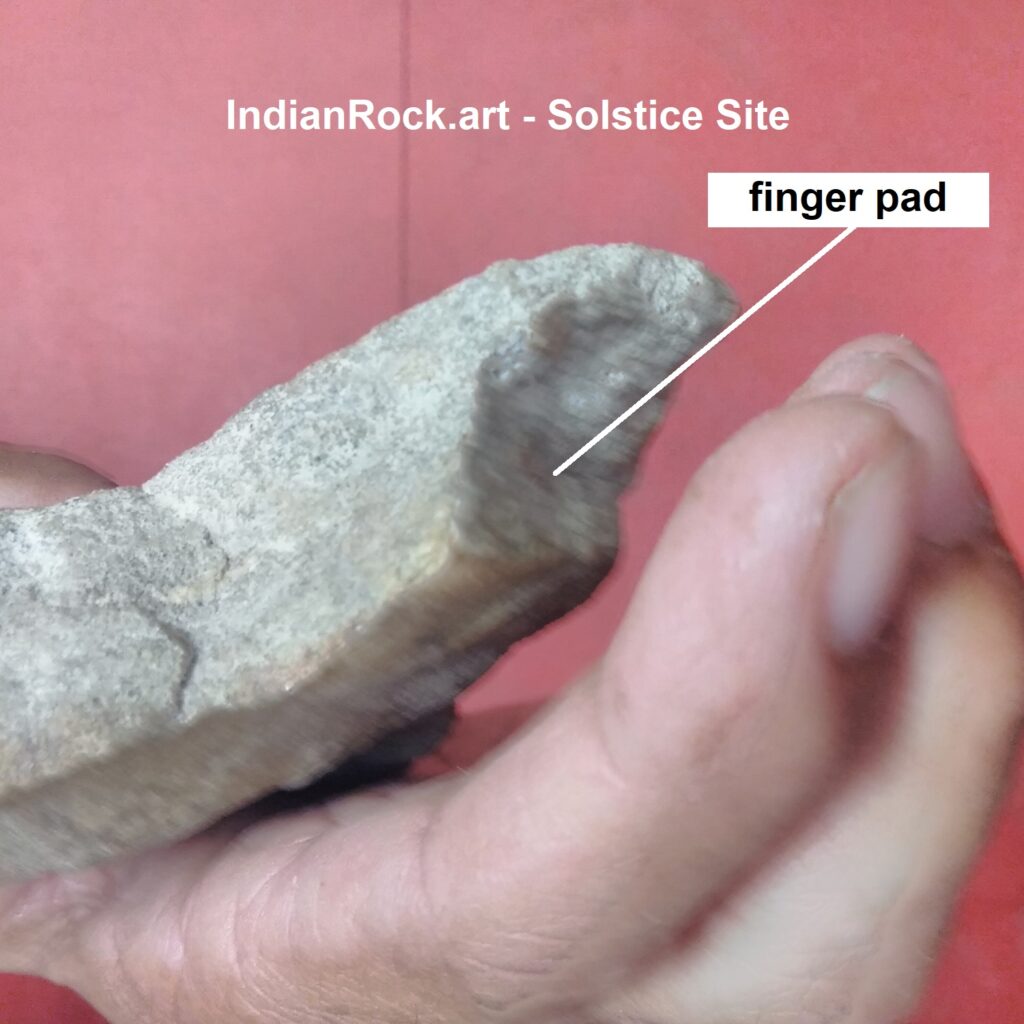
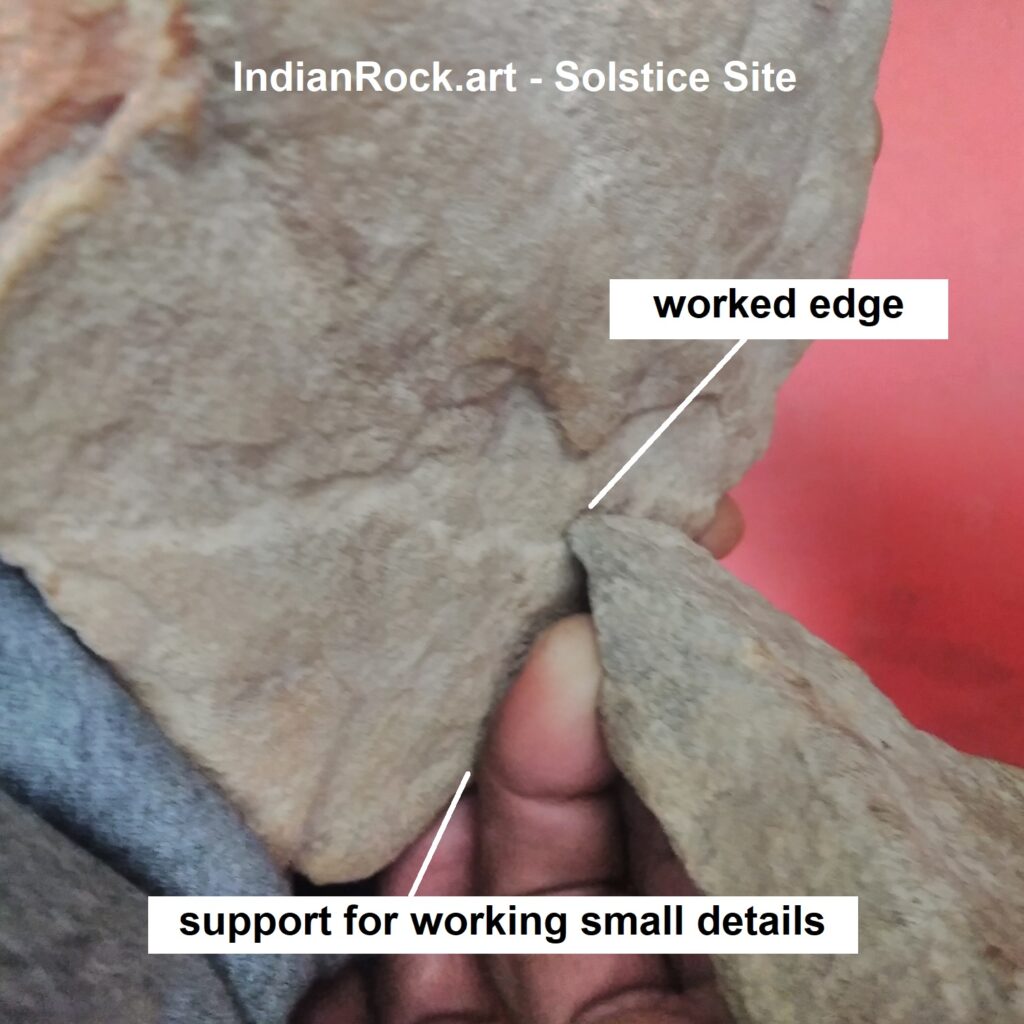
I am a finish carpenter of many years, but I also wrench on cars. Tools have always been in my hands, ever since swapping parts on my Tonka trucks. Here at IndianRock.art, I can easily imagine people from long ago requiring tools, at a time when all there was, were stones. In this world, the mind of an architect, engineer, or artisan would get pretty darn creative, when carving out tools from stone. …in my opinion.
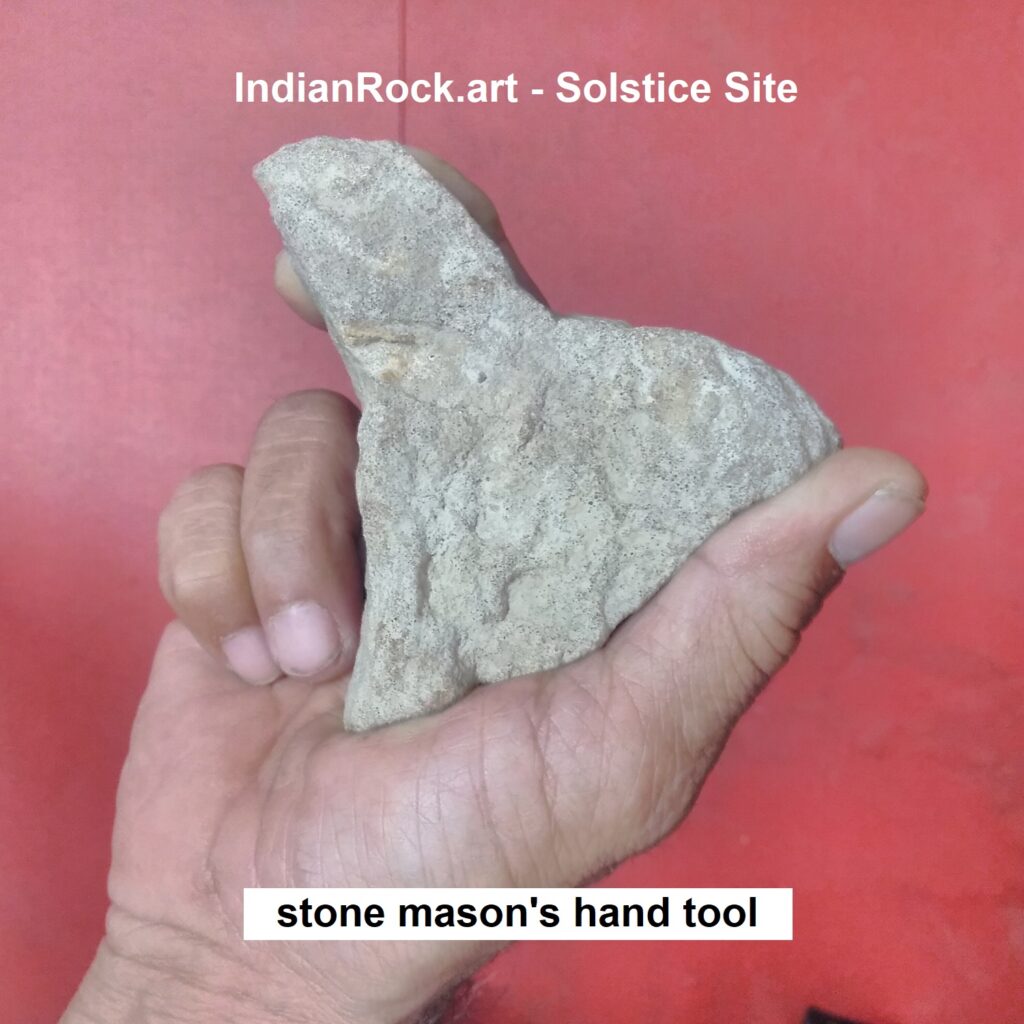
Power, control, and ergonomics: that’s the name of the game, when it comes to using hand tools. When it doesn’t feel like work: It isn’t. But, when it does feel like work, it’s because of a faulty tool or improper design.
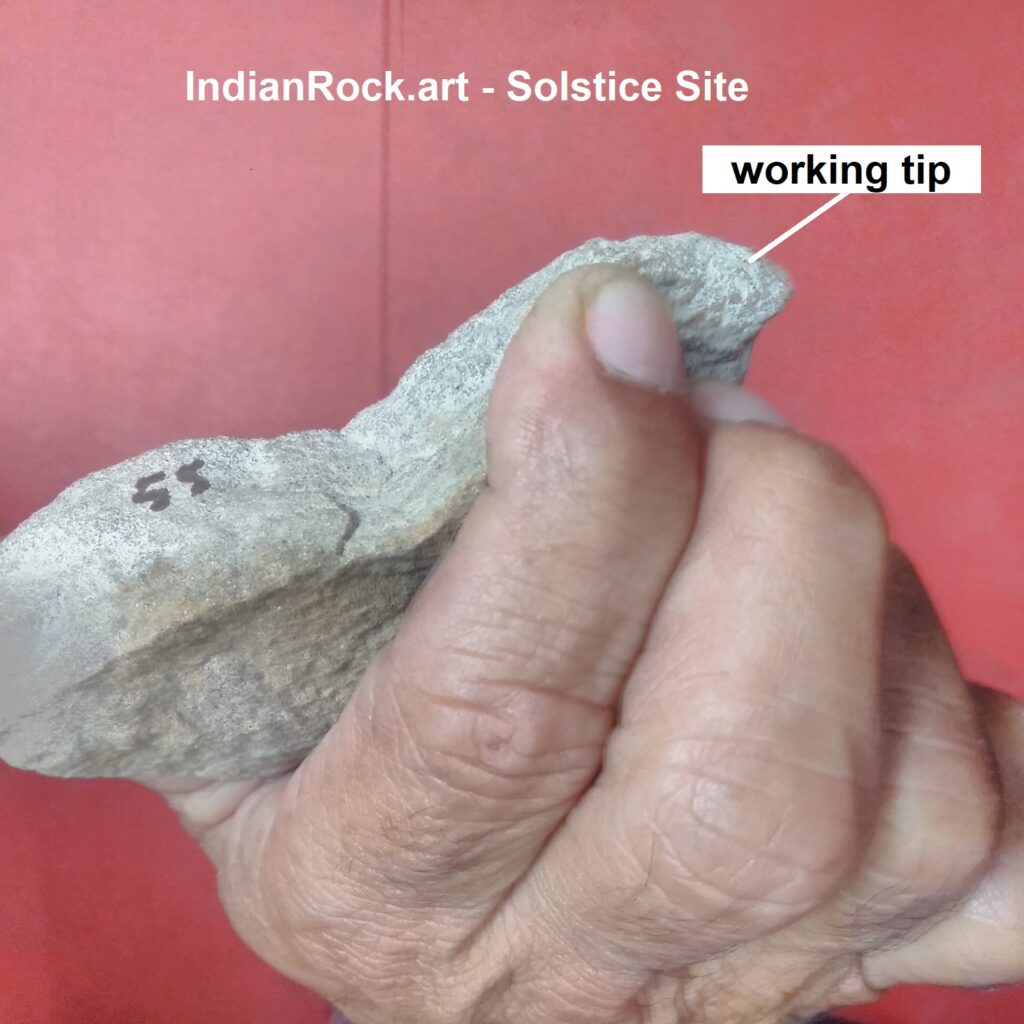
IndianRock.art – Garden Site
Categories
Phase1 in review 8
The 2digit finger tool
When I’m playing carpenter and looking to route an edge, I open my box of bits then compare the various cutter shapes.
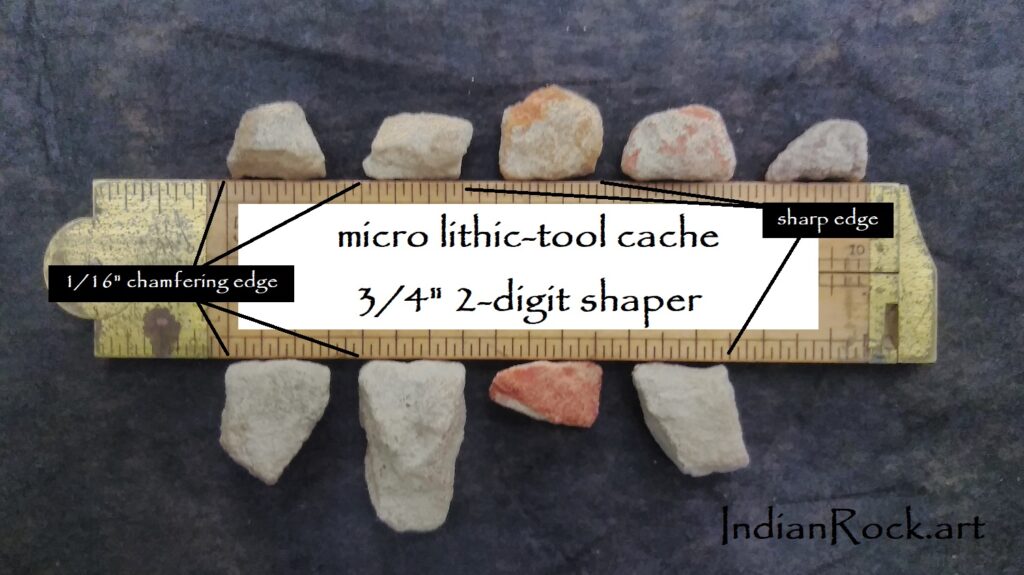
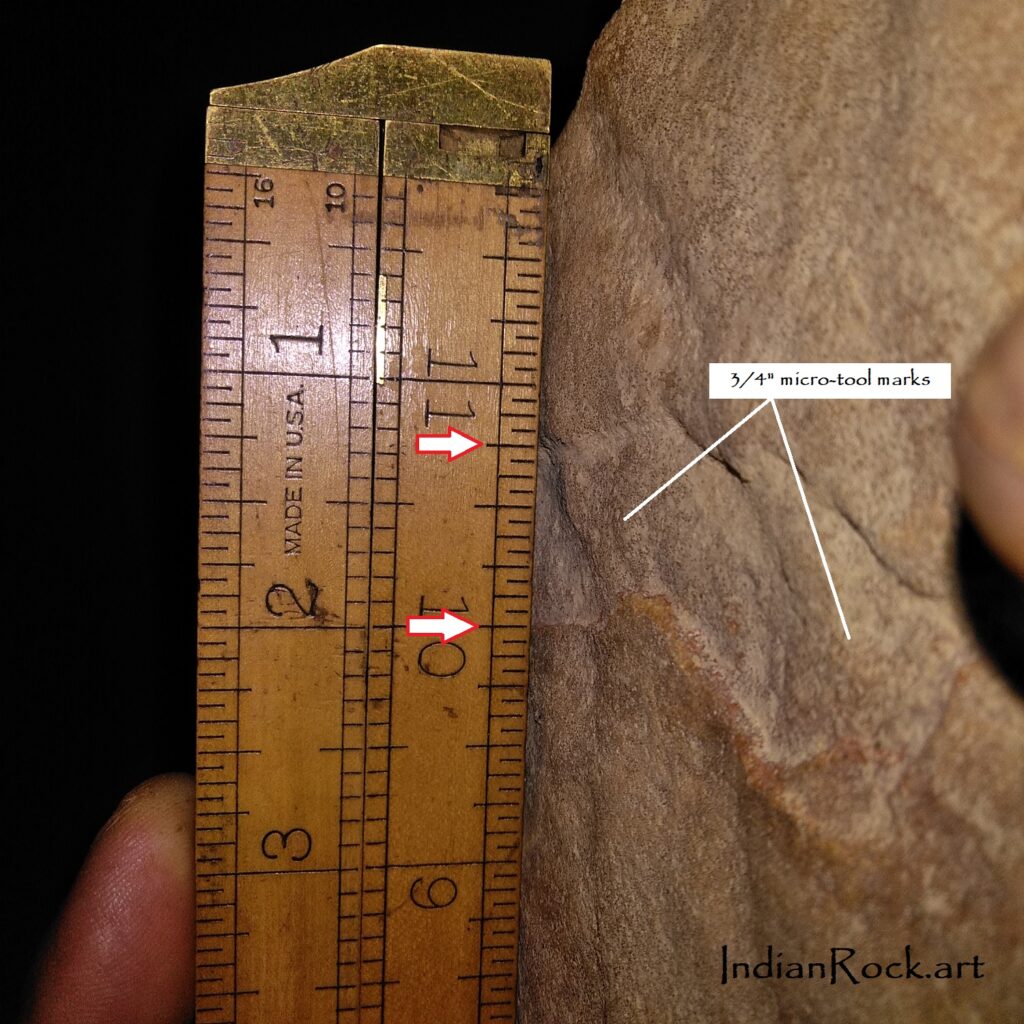
Pinched between the thumb and finger, a 2digit stone tool is used on a smaller scale, creating finer and more distinct details.
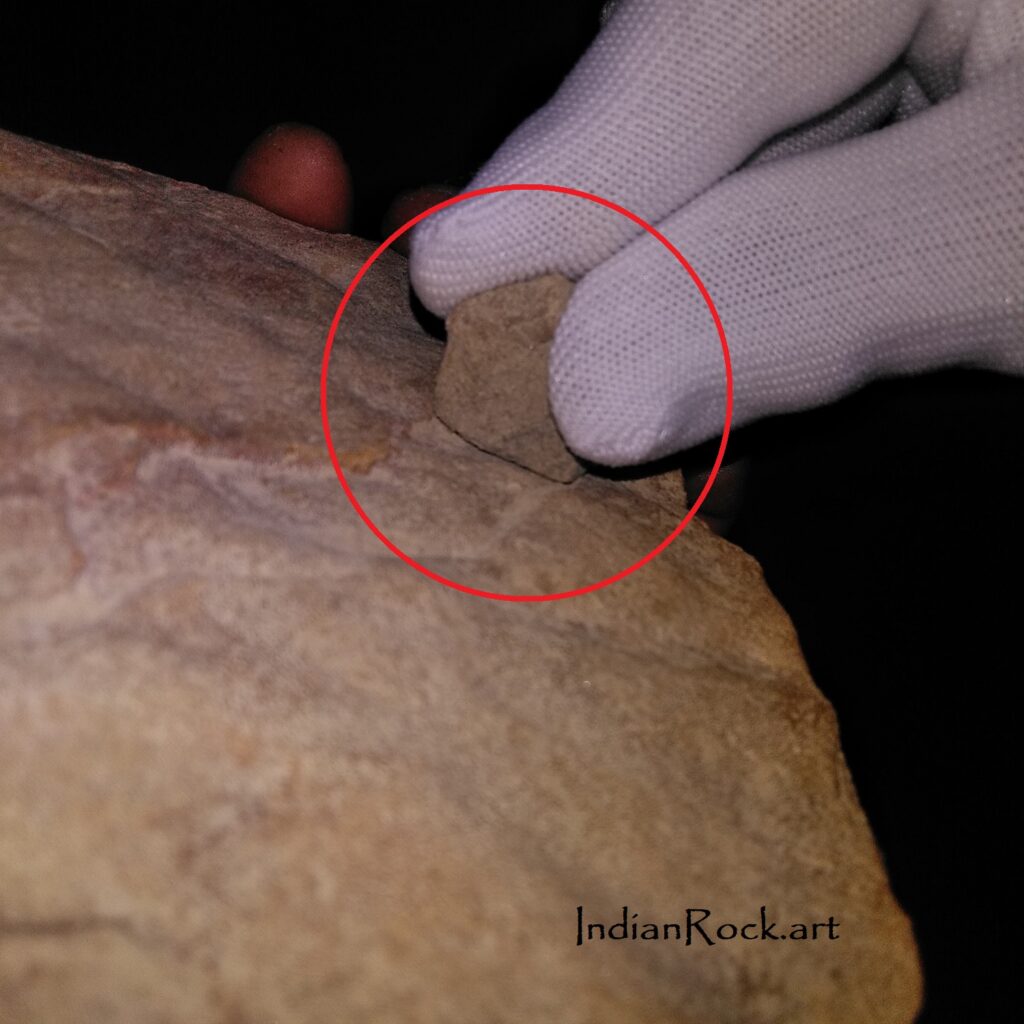
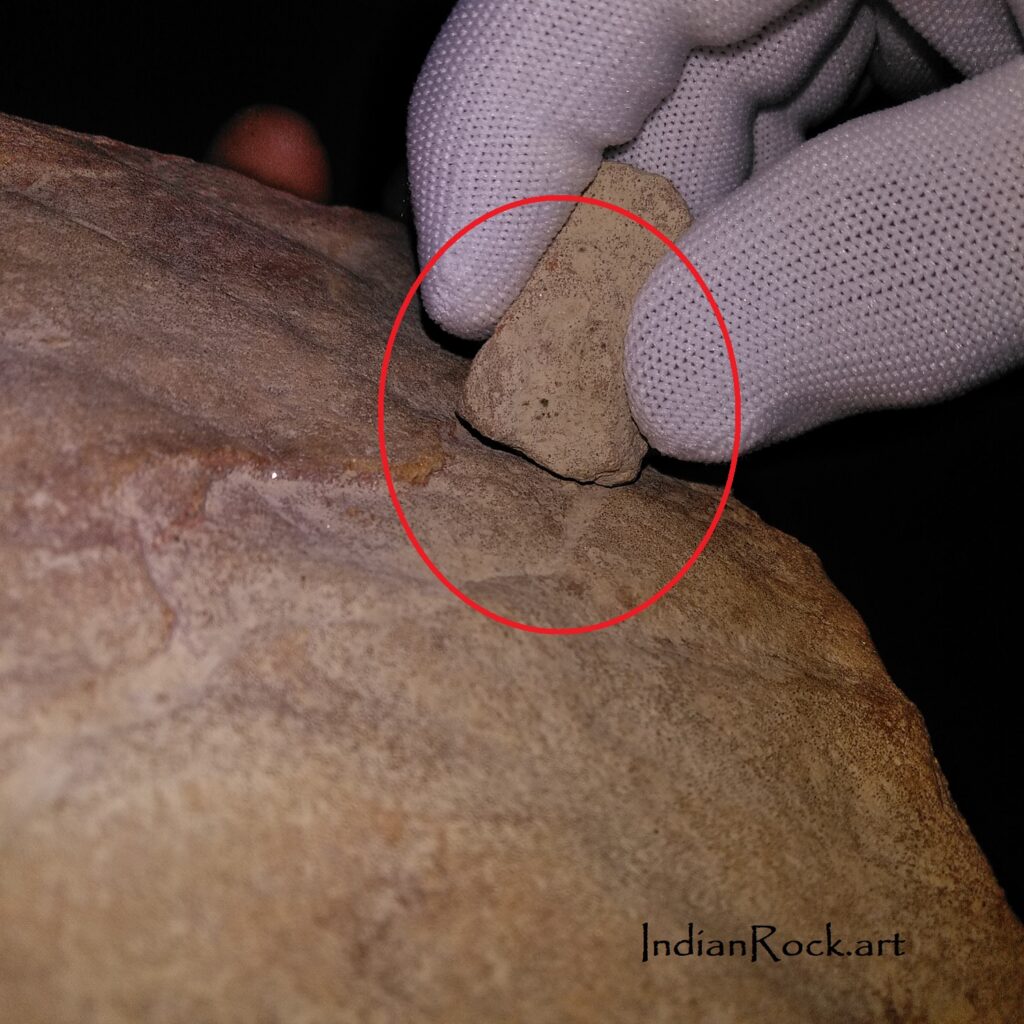
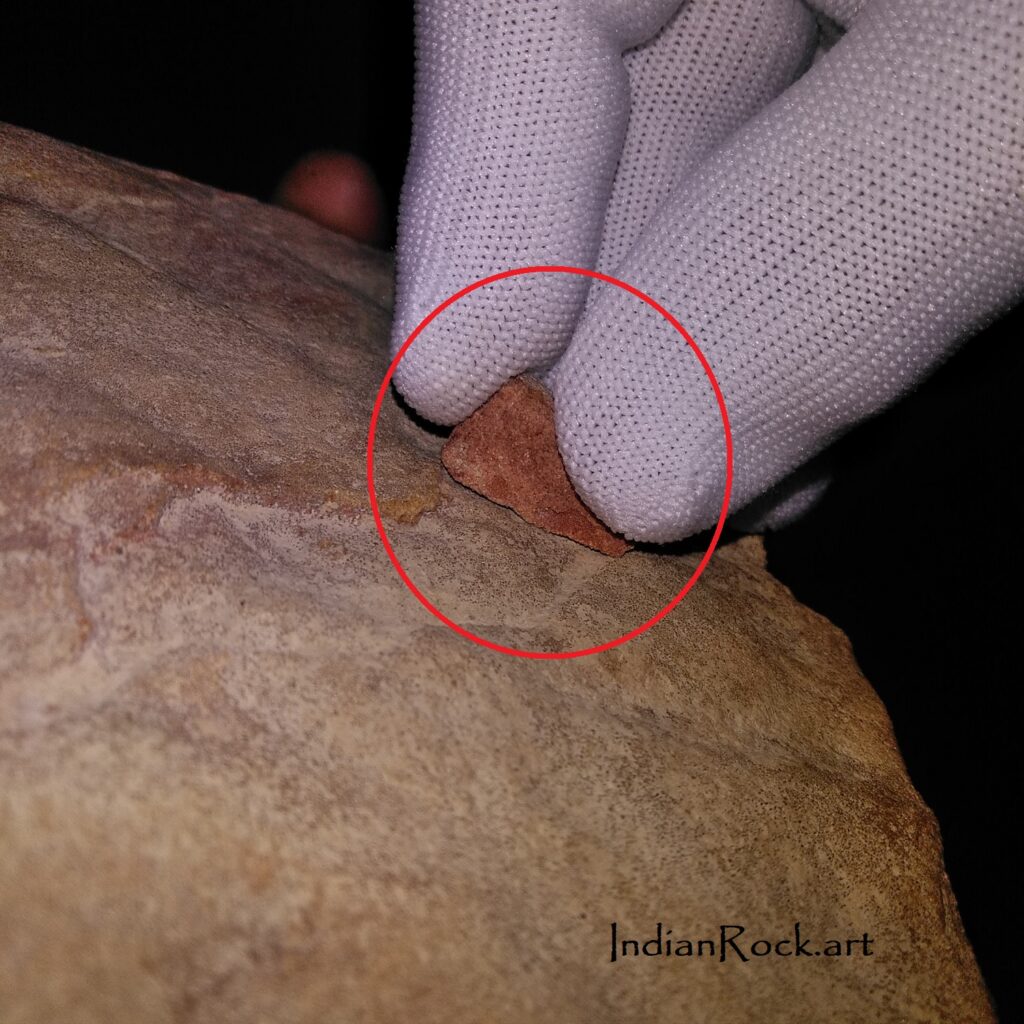
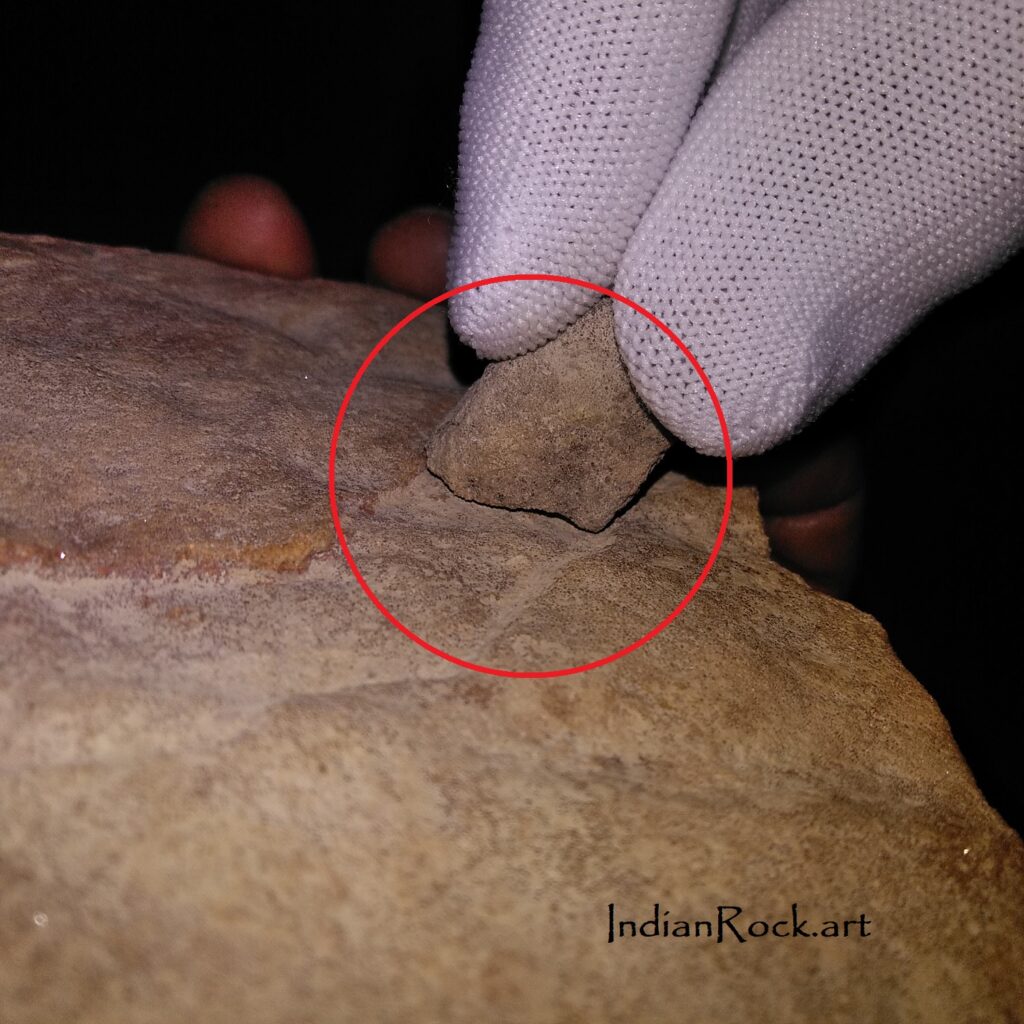
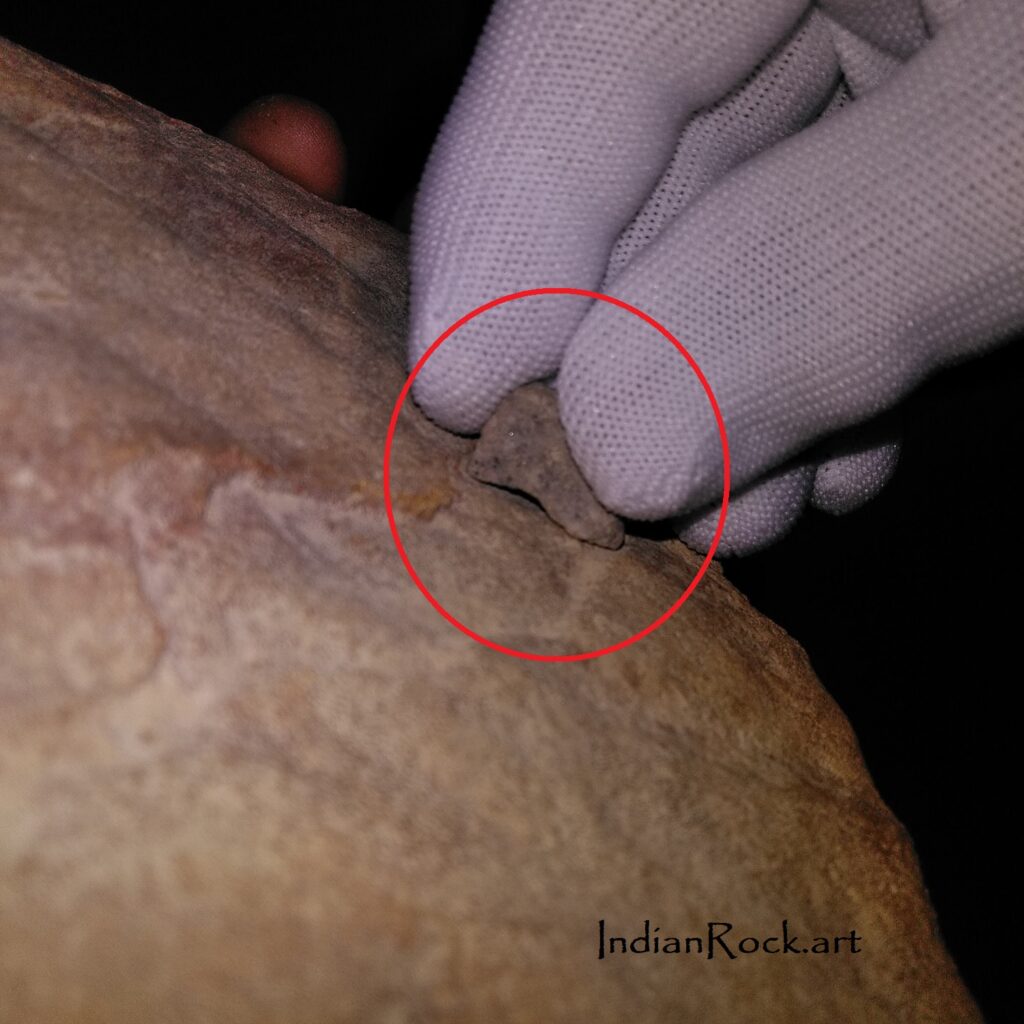
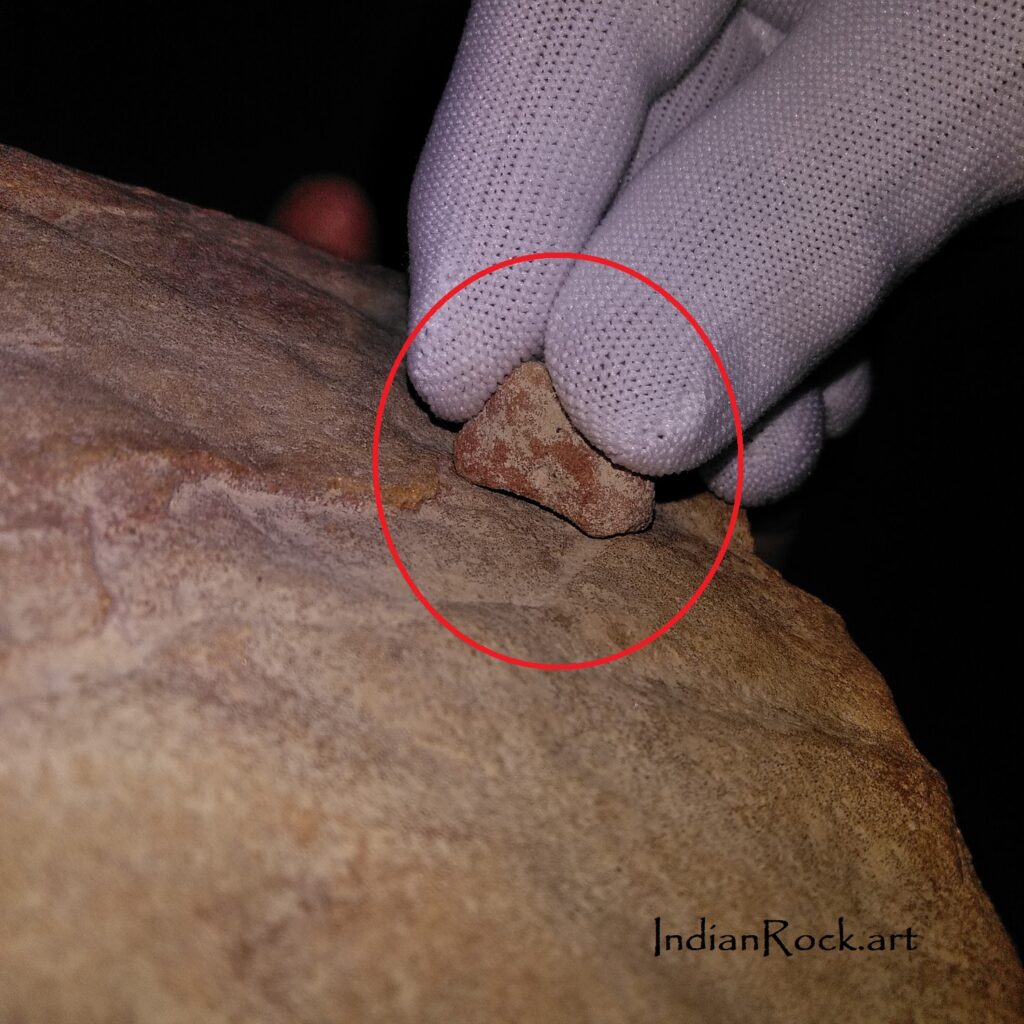
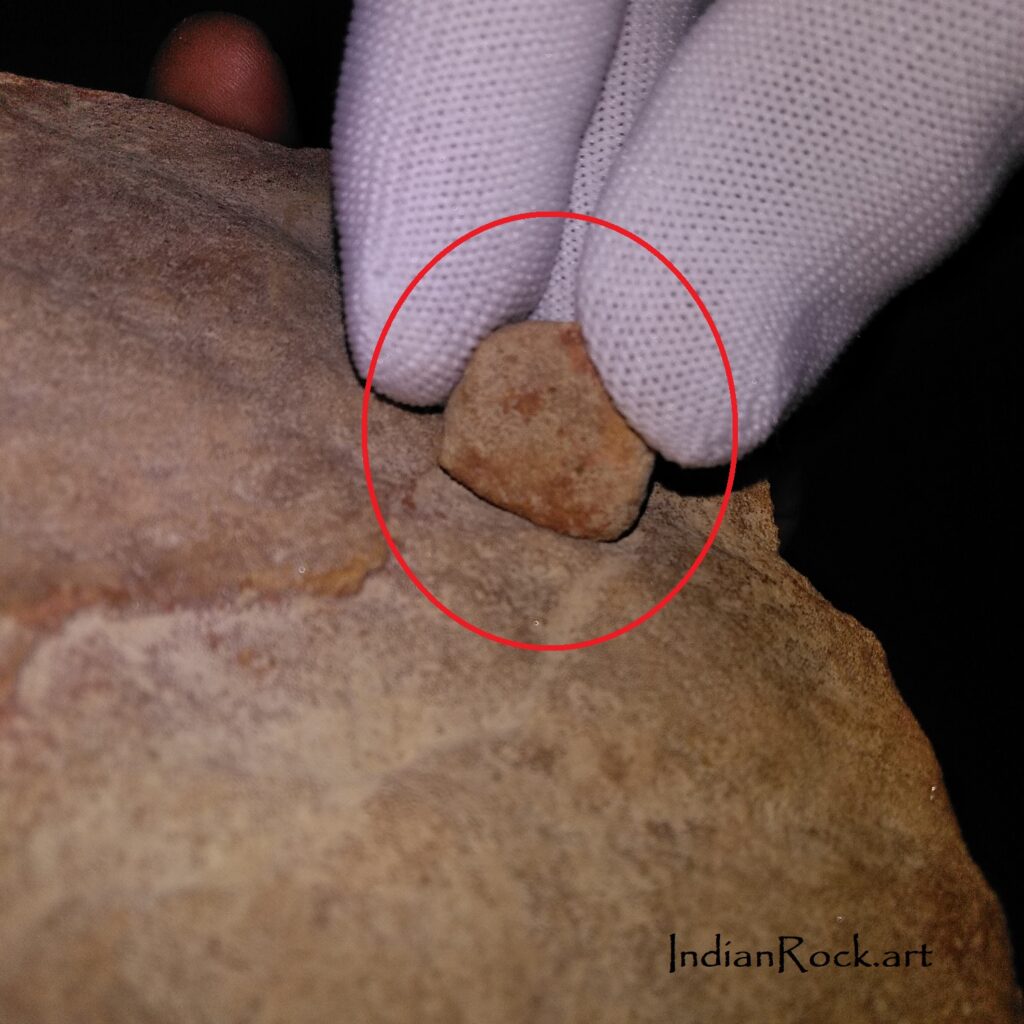
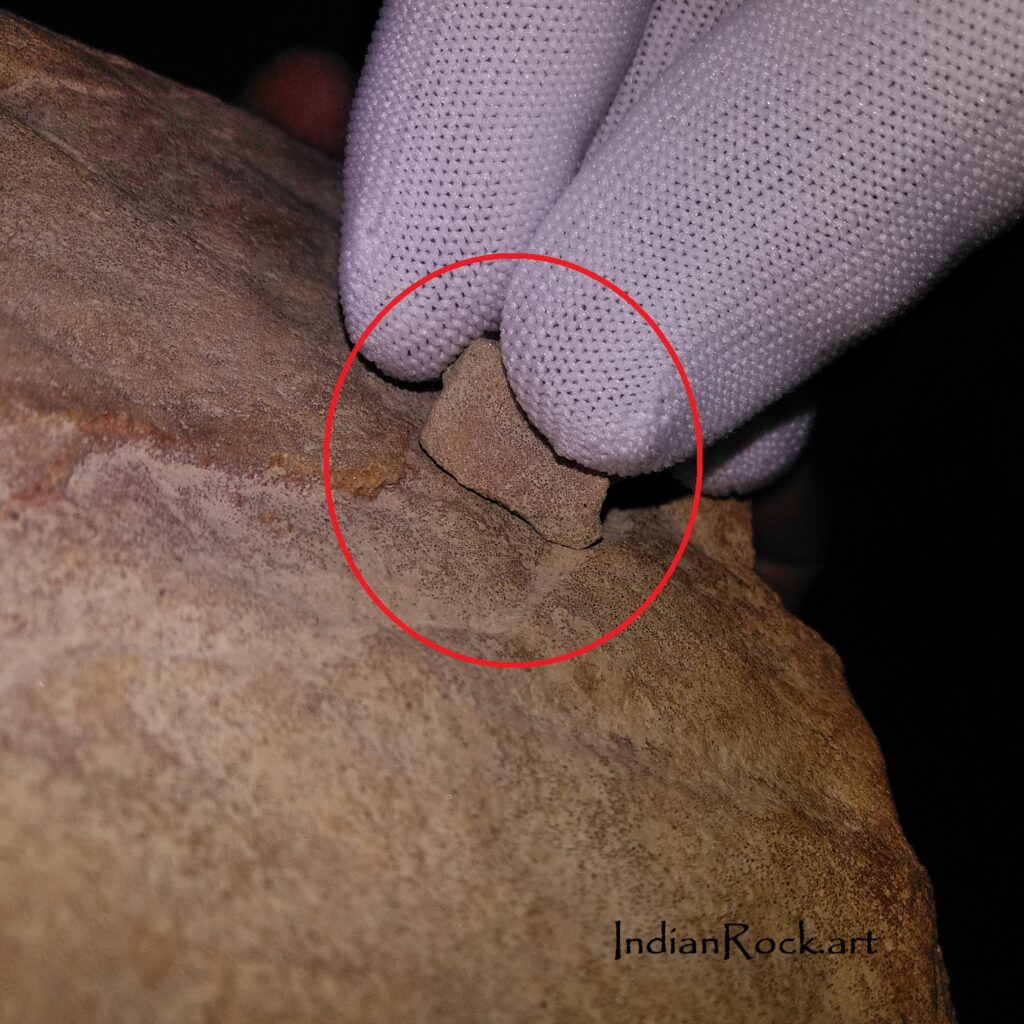
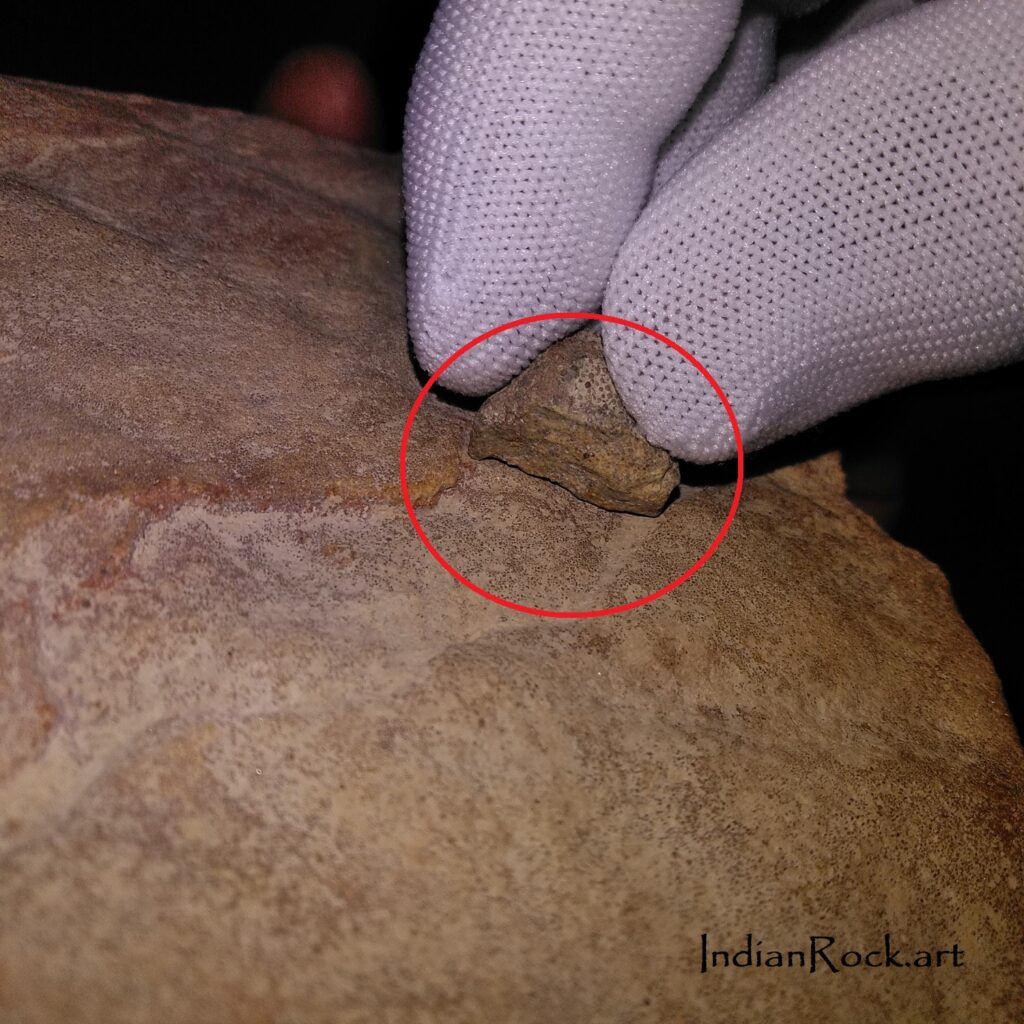
Here’s an example of a 2digit tool with, what appears to be, a bear cub and human profile carved into it.

Again, I have to repeat: The Lord guides my hands. I find the stones, and they find their place. It all comes so naturally.
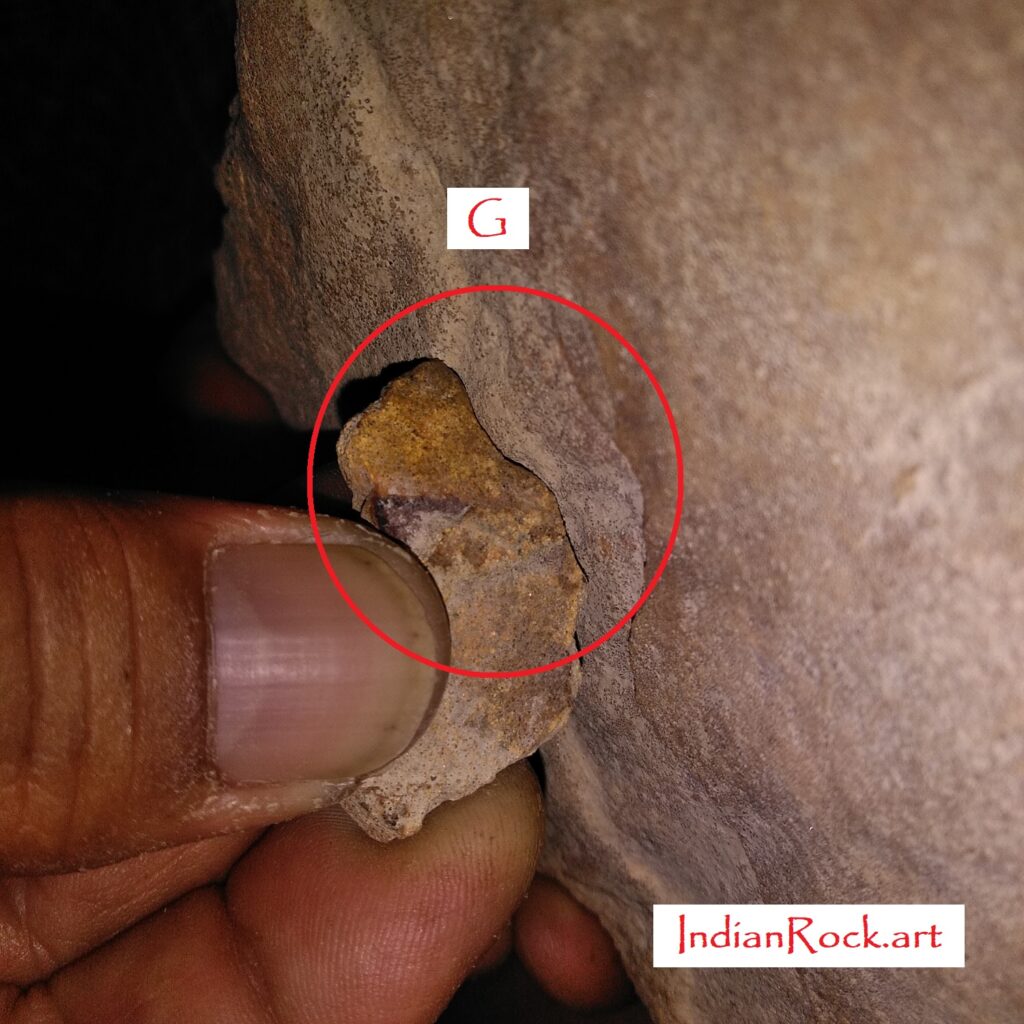
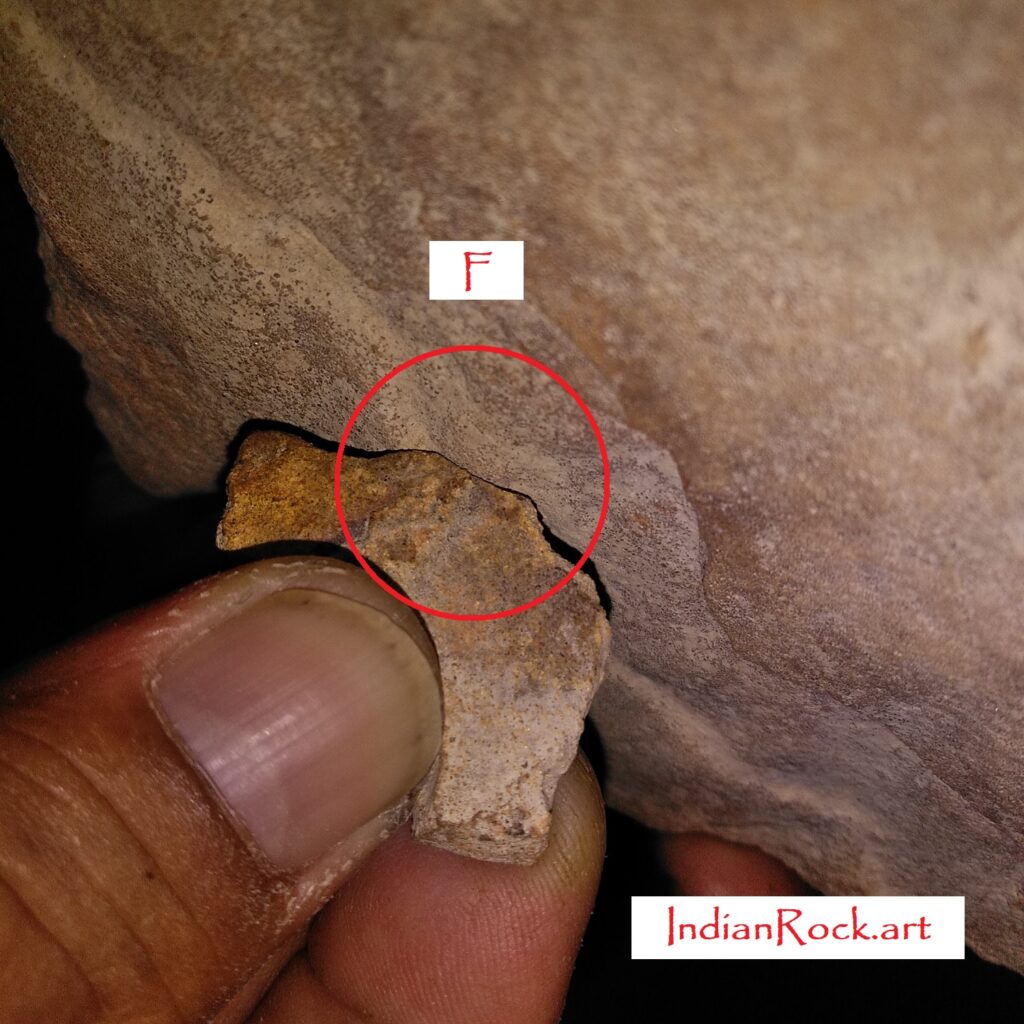

The final product: undeniably, a hummingbird in flight